
As the FDA prepares for potential leadership changes, pharmaceutical executives are increasingly concerned about regulatory uncertainty that could impact drug development timelines and market strategies.
The pharmaceutical industry is closely watching the transition at the Food and Drug Administration (FDA), with executives expressing hopes that the next commissioner will bring regulatory stability to an agency navigating unprecedented pressures.
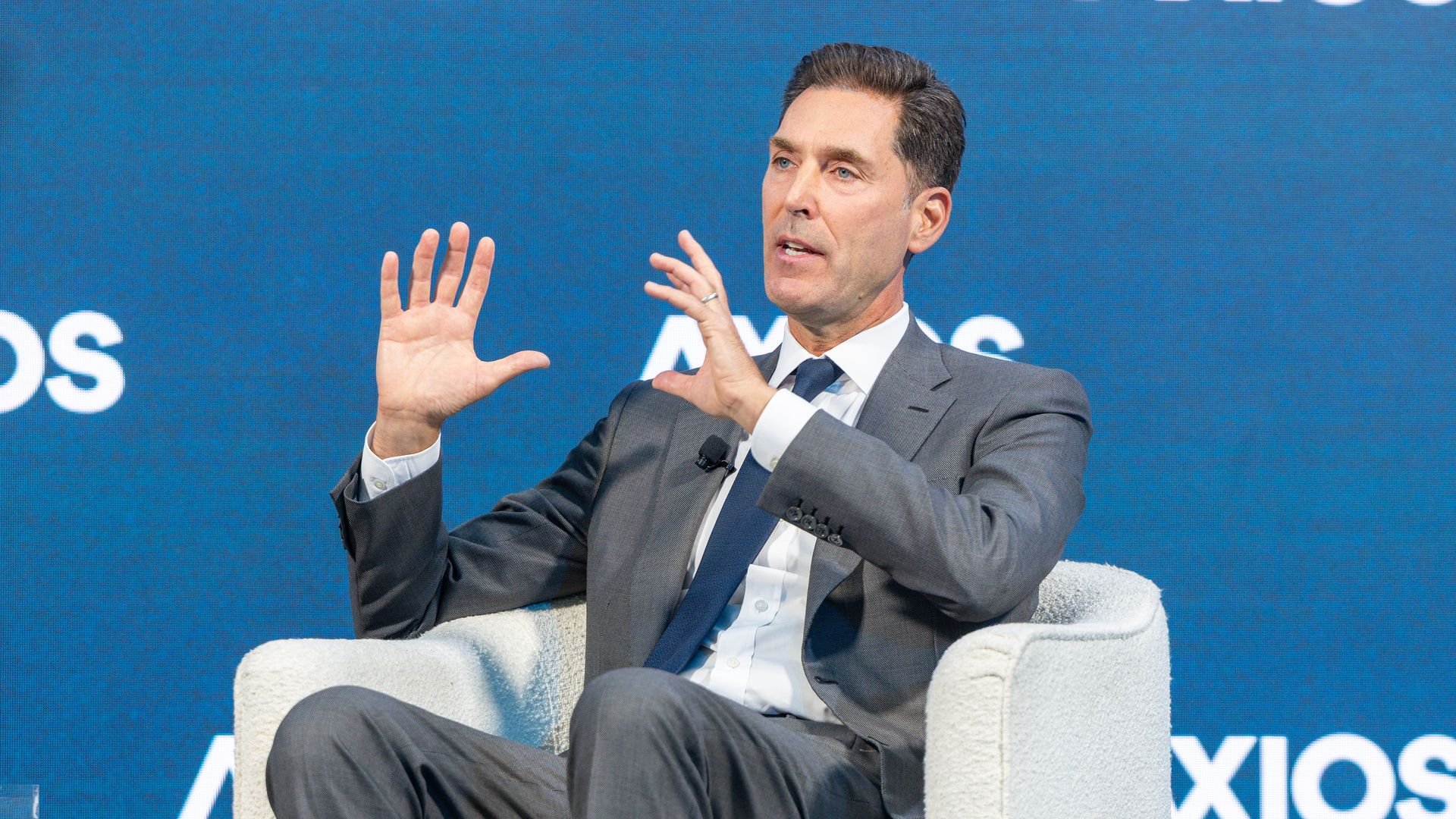
At a recent Axios Future of Health event, PhRMA CEO Steve Ubl highlighted the industry's concerns about the consistency of regulatory approaches. "What we need from FDA is predictability," Ubl stated. "When companies can anticipate regulatory pathways, they can invest more confidently in research and development."
The FDA's role has expanded significantly in recent years, particularly with the accelerated approval pathways developed during the COVID-19 pandemic. The agency approved 55 novel drugs in 2022, the highest number in two decades, yet faces criticism from both industry and patient advocates about inconsistent application of these expedited processes.
Market analysts note that regulatory uncertainty directly impacts pharmaceutical valuations. "FDA decisions can swing market capitalization by billions of dollars," explained Sarah Jenkins, biotech sector analyst at Morgan Stanley. "When approval timelines extend or requirements change unexpectedly, investor confidence erodes, affecting the entire ecosystem from venture capital to public markets."
The pharmaceutical industry invested $100 billion in R&D last year, with approximately 60% of that funding allocated to early-stage development. Regulatory delays can significantly extend the time to market, with each additional year of development costing companies an estimated $1.5-2 million per compound in maintenance costs alone.
Industry leaders are particularly concerned about the upcoming reauthorization of the Prescription Drug User Fee Act (PDUFA), which funds approximately half the FDA's drug review operations. The current agreement expires in September 2023, and stakeholders worry that political maneuvering could further complicate an already challenging regulatory environment.
"The next FDA commissioner will inherit an agency at a crossroads," noted Dr. David Kessler, former FDA commissioner and current head of science at the health nonprofit Resolve to Save Lives. "They must balance the urgent need for innovative therapies with the FDA's core mission of ensuring safety and efficacy."
For pharmaceutical companies, the regulatory environment directly impacts strategic decisions. According to a recent survey by consulting firm ZS Associates, 78% of biotech executives cite regulatory uncertainty as their primary concern when planning product pipelines, ahead of market competition and pricing pressures.
The industry's concerns extend to specific therapeutic areas. In oncology, where breakthrough designations have proliferated, questions remain about the appropriate endpoints for accelerated approvals. Similarly, in gene therapy and cell-based products, the lack of established regulatory pathways creates significant commercial risks.
"We need a commissioner who understands both the science and the business of drug development," stated Dr. Michelle Berrey, CEO of clinical-stage biotech company Aimmune Therapeutics. "Someone who can maintain rigorous standards while creating clear, predictable pathways for innovation."
Historically, FDA transitions have been accompanied by temporary slowdowns in review times. Data from the agency shows that during leadership transitions, average review times for new drug applications increase by approximately 15-20%, directly impacting product launch timelines and revenue projections.
The pharmaceutical industry employs approximately 4 million people in the United States and contributes $1.3 trillion to the U.S. economy annually. Regulatory stability at the FDA is not merely a compliance concern but an economic imperative that affects everything from job creation to healthcare costs.
As the nomination process for the next FDA commissioner begins, industry executives are preparing for extensive lobbying efforts to ensure their priorities are represented. The selection will likely face increased scrutiny from both industry stakeholders and patient advocacy groups, reflecting the heightened importance of regulatory decisions in modern healthcare.
Comments
Please log in or register to join the discussion