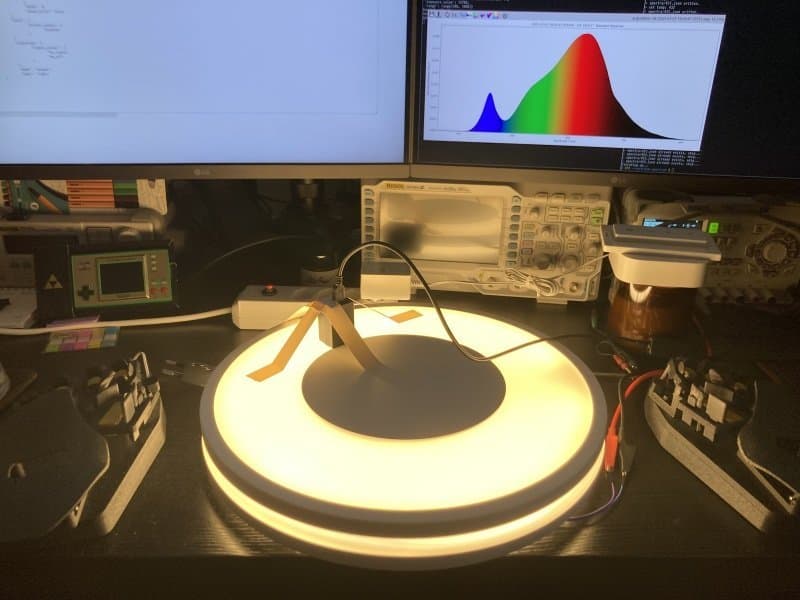
An in-depth spectral analysis reveals the Philips Hue White Ambiance smart lights suffer from consistently low color rendering (Rf 82-85), falling short of natural light sources. Using custom instrumentation and open-source tools, the investigation demonstrates why this matters for applications requiring accurate color perception and circadian health.
When a group of engineers challenged claims about Philips Hue White Ambiance's lighting quality, one developer deployed spectral analysis tools to uncover hard truths. The result? A damning verdict: Hue's color rendering capabilities are fundamentally inadequate for precision applications.
The Test Rig: Hardware Meets Code
The investigation used a TorchBearer Y21B7W10034CCPD spectrometer, Philips Hue lights and bridge, and custom Python/Ruby automation scripts to measure spectral output across all 302 mired values (153–454). The setup orchestrated light control, spectral capture, and TM-30–standard reporting:
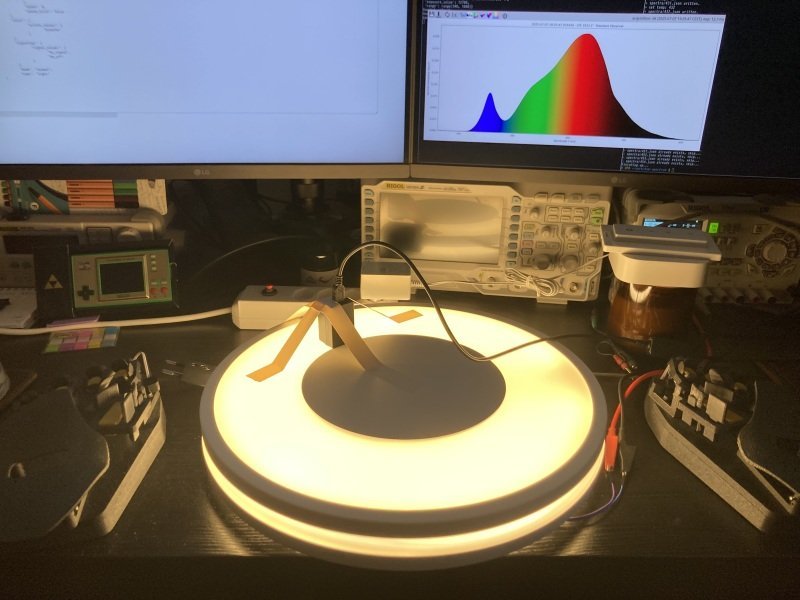 Test setup: Hue bridge, spectrometer, and automation scripts (Source: wejn.org)
Key scripts included:
dump-all-spectra.py: Automated spectral capture at each temperaturecontrol-light.rb: Hue API integration for precise parameter controlgen-report.py: TM-30 analysis using Python's colour-science library
Revealing the Spectral Shortcomings
Individual Channels: Flawed Foundations
Analysis of isolated channels showed problematic emission profiles:
- "Normal" channel: Primarily a luminous flux booster with unnatural spikes
- Cold channel: Harsh blue-heavy output
- Warm channel: Excessive sub-600nm emissions disruptive to circadian rhythms
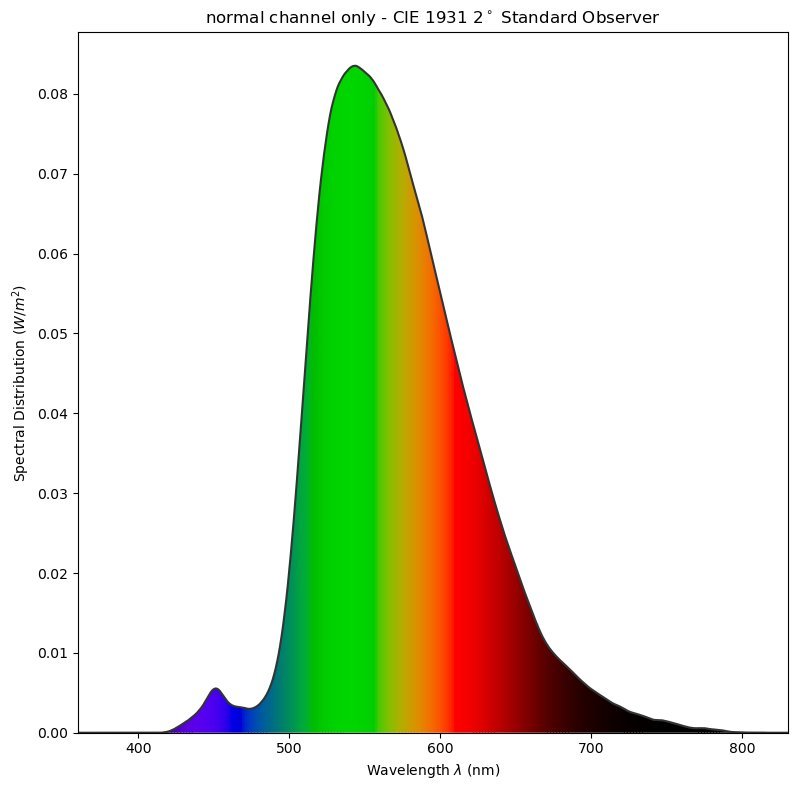
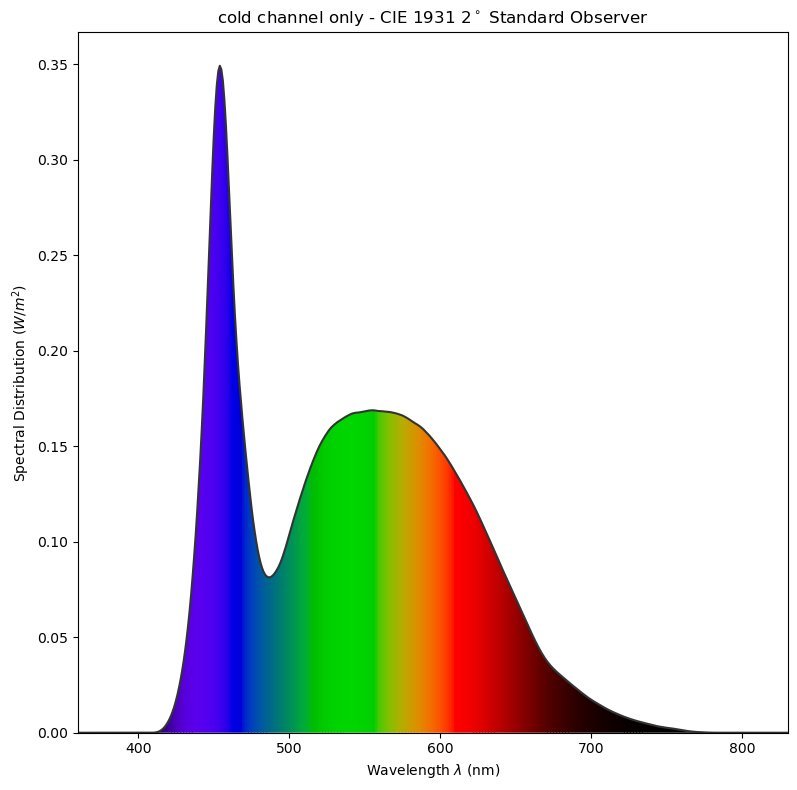
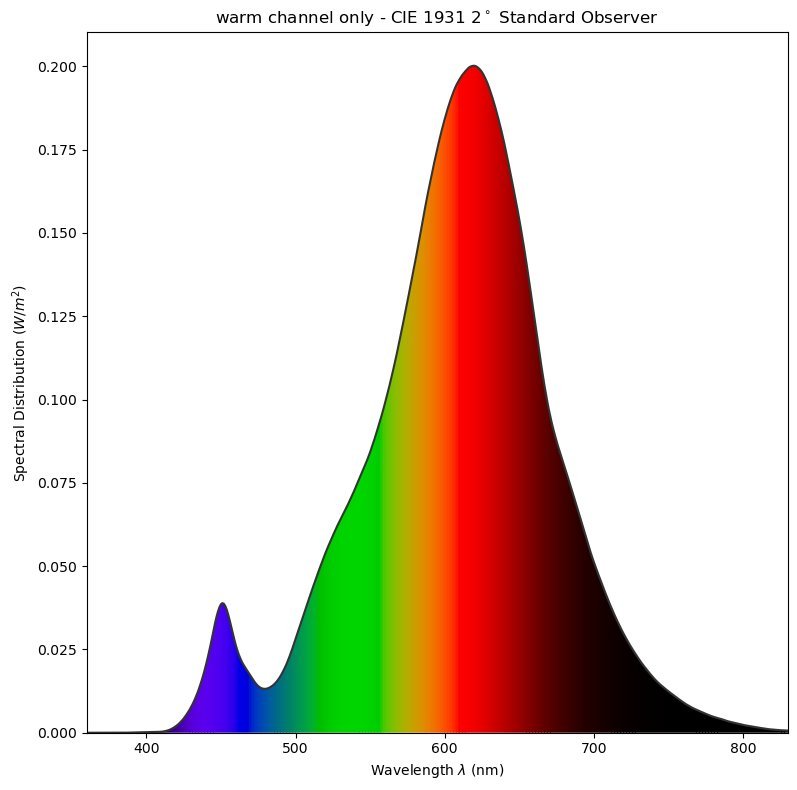 Spectral outputs of individual Hue channels (Source: wejn.org)
Against Natural Benchmarks
Compared to reference light sources, Hue consistently underperformed:
| Light Source | CCT (K) | Rf (Color Fidelity) |
|---|---|---|
| Halogen bulb | ~2600 | 99 |
| Sunlight | ~6100 | 99 |
| Philips Hue (avg) | 2200–6500 | 82–85 |
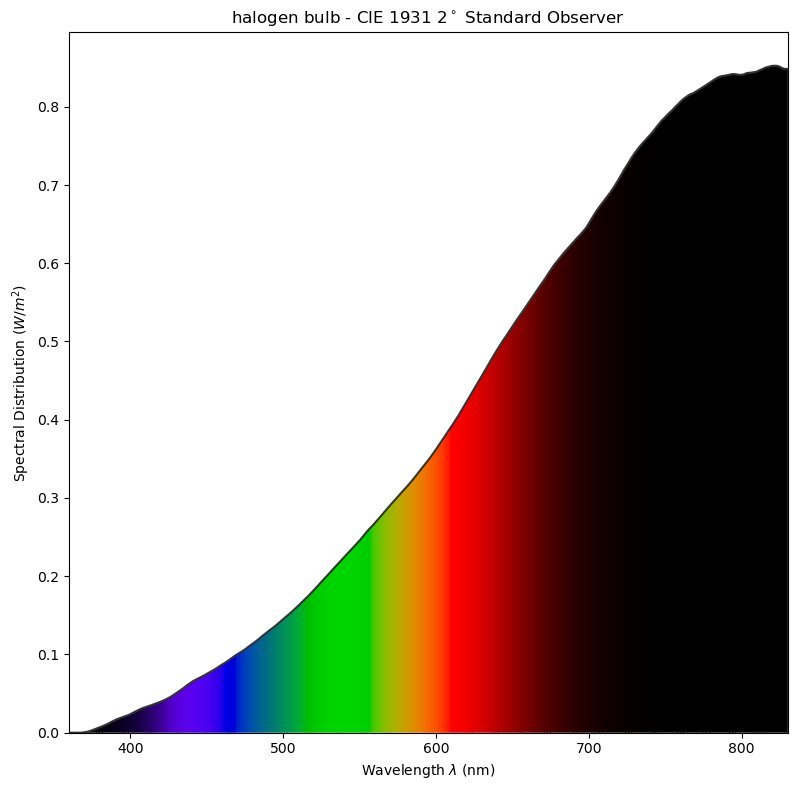 Halogen bulb spectrum (Rf 99) vs. Hue's spiky output (Source: wejn.org)
Full TM-30 reports for Hue at 6535K, 2732K, and 2202K confirmed Rf scores between 82–85—categorized as "moderate fidelity with noticeable color shifts." Videos scanning all mired values (spectrum, TM-30, CIE1976) show no optimal point escapes the issue.
Why This Matters for Developers
Poor color rendering has tangible implications:
- Smart home limitations: Undermines Hue's use in art studios, retail, or healthcare where color accuracy is critical
- Circadian disruption: Blue-heavy spectra contradict "human-centric lighting" claims
- Hardware trust gaps: Highlights risks in relying on consumer IoT specs without validation
The findings suggest developers prioritizing color quality should explore alternatives like YUJILEDS. As smart lighting evolves, open instrumentation—like the scripts shared here—becomes essential for verifying manufacturer claims.
Source: wejn.org
Comments
Please log in or register to join the discussion