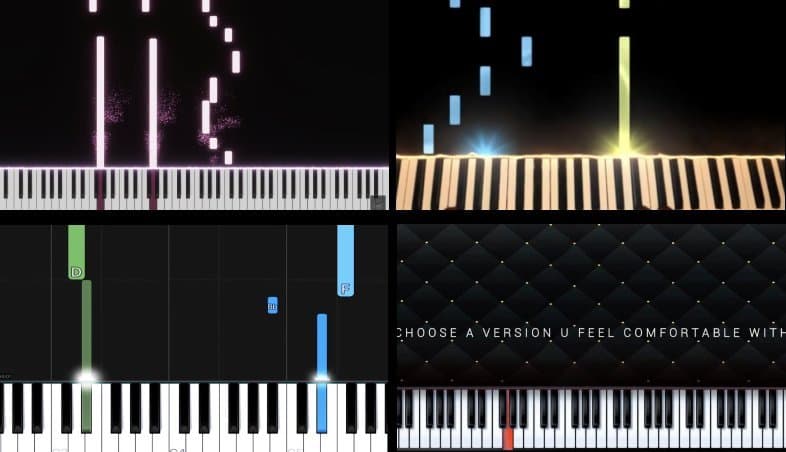
A new application, PianoReader, leverages smartphone cameras and computer vision to instantly convert physical sheet music into editable and playable MIDI files. This technology promises to streamline workflows for musicians and composers while hinting at broader applications for digitizing musical notation. The app represents a tangible intersection of AI, computer vision, and creative expression.
For musicians, composers, and educators, translating the intricate symbols on a sheet of paper into a digital, editable, and playable format has long been a manual and often tedious process. Enter PianoReader, a new application aiming to disrupt this workflow by harnessing the power of computer vision running directly on a user's smartphone.
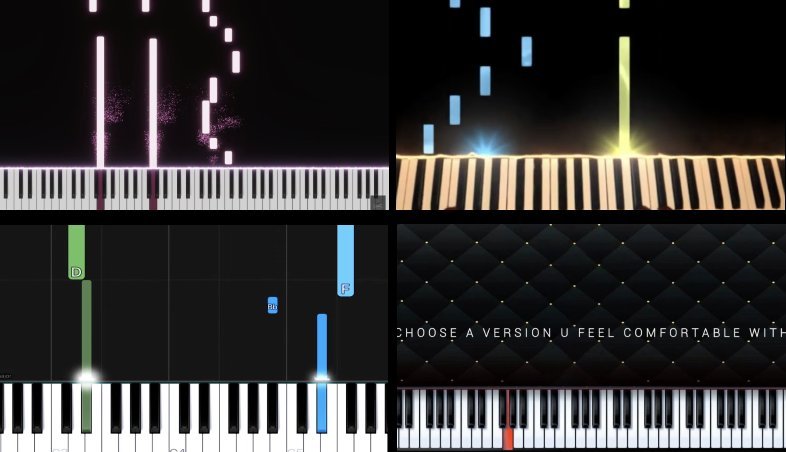
The core promise of PianoReader is straightforward: point your smartphone's camera at a page of piano sheet music, and the app will analyze the image, recognize the musical notation – notes, rhythms, dynamics, articulations – and convert it into a standard MIDI (Musical Instrument Digital Interface) file. This digital representation can then be played back through virtual instruments, edited in Digital Audio Workstations (DAWs) like Logic Pro, Ableton Live, or GarageBand, transposed to different keys, shared digitally, or used for practice and analysis.
"The ability to instantly capture sheet music and turn it into editable, playable MIDI fundamentally changes how musicians interact with written scores," observed a music technology educator familiar with similar tools. "It bridges the gap between the physical and digital music worlds in a practical way."
While the exact details of the underlying computer vision models powering PianoReader aren't publicly disclosed on their website, the technology likely involves sophisticated image processing and machine learning algorithms trained on vast datasets of musical scores. Key challenges such systems must overcome include:
- Robust Symbol Recognition: Accurately identifying notes (including their pitch and duration), rests, clefs, key signatures, time signatures, dynamics (like piano or forte), articulations (staccato, legato), and other markings across various fonts and print qualities.
- Staff Line Detection and Removal: Isolating the musical symbols from the staff lines they sit on or between.
- Context Understanding: Correctly interpreting the meaning of symbols based on their position and surrounding context (e.g., a dot can mean a staccato note or lengthen the note's duration by half).
- Real-time Processing: Performing this complex analysis quickly enough on a mobile device to feel responsive to the user.
The immediate application is clear for pianists and keyboard players: quick digitization of sheet music for practice, arrangement, or composition. However, the implications extend further. Music educators could use it to create interactive exercises or transcribe student work. Libraries and archives could accelerate the digitization of historical scores. Developers might explore integrating similar CV-powered MIDI conversion into broader music creation or education platforms via potential future APIs.
PianoReader exemplifies the growing trend of applying practical AI and computer vision to creative domains. By transforming the passive act of reading sheet music into an interactive, digital experience, it opens doors for musicians to manipulate, experiment with, and share their music in ways previously requiring significant manual effort. While the accuracy and handling of complex scores under real-world conditions (poor lighting, creased pages) remain key factors for user adoption, the technology represents a significant step towards seamlessly merging the tactile tradition of sheet music with the flexibility of the digital audio world. The potential for this tool to evolve, integrate with other music software, and inspire similar innovations across creative fields is a compelling development at the intersection of art and algorithm.
Comments
Please log in or register to join the discussion