
Google's Pixel 10 Pro redefines smartphone photography through advanced computational imaging, with its Tensor G5-powered Pro Res Zoom, AI-enhanced editing, and real-world performance that outperformed flagship rivals during rigorous wedding documentation in Hawaii. The device demonstrates how software intelligence is becoming the decisive factor in mobile imaging.
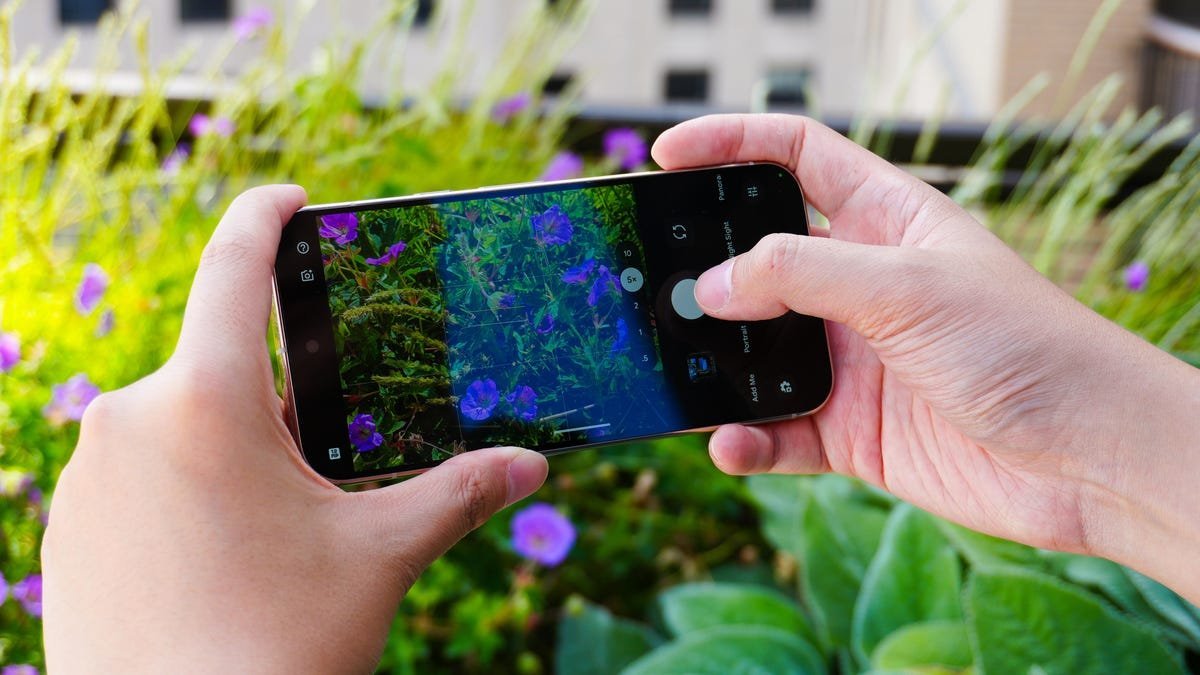
When veteran tech journalist Matthew Miller documented his daughter's Hawaiian wedding with five flagship smartphones, Google's Pixel 10 Pro emerged as the undisputed champion—not through hardware superiority alone, but through computational photography mastery. The device captured over 500 photos and videos across a single wedding day, leveraging Google's Tensor G5 chip and AI algorithms to outperform competitors including Samsung's Galaxy Z Fold 7 and Apple's iPhone 16 Pro Max.
The Pro Res Zoom Revolution
The Pixel 10 Pro's standout feature—Pro Res Zoom—transforms distant subjects into crisp images through a fusion of 5x optical zoom and AI-enhanced digital processing reaching 100x magnification. During real-world testing:
- Captured sea turtles on distant shores and floral details invisible to the naked eye
- Outperformed Samsung's 3x optical/30x digital zoom with superior clarity
- Utilized Tensor G5's real-time processing for image stabilization and detail reconstruction
 The Pixel 10 Pro captured Hawaiian landscapes and wildlife with unprecedented clarity (Credit: Matthew Miller/ZDNET)
AI as the Ultimate Photographer's Assistant
Beyond zoom capabilities, Google's software stack delivered practical innovations:
"Auto Best Take automatically curates optimal expressions in group shots, while AI salvages motion-blurred images that would normally be discarded" – Matthew Miller
Key implementations include:
- Panorama Guidance: Real-time capture assistance for seamless landscape stitching
- Motion Unblur: On-device AI reconstruction of dancing and action shots
- Computational Battery Management: 500+ photo/video capture endurance with rapid recharge
The Computational Photography Arms Race
The Hawaii field test underscores a pivotal industry shift: while competitors focus on sensor size and megapixel counts, Google's vertical integration of custom silicon (Tensor G5) and ML models creates imaging capabilities that transcend hardware limitations. This approach demonstrates:
- Software-defined imaging is becoming the decisive differentiator
- On-device AI processing enables real-time enhancements impossible with cloud dependency
- Wedding photography—a high-pressure, unpredictable environment—proves the robustness of computational solutions
As smartphone hardware plateaus, Google's synthesis of optics, silicon, and algorithms points toward photography's future—where the most compelling images emerge not from lenses alone, but from the intelligence orchestrating them.
Comments
Please log in or register to join the discussion