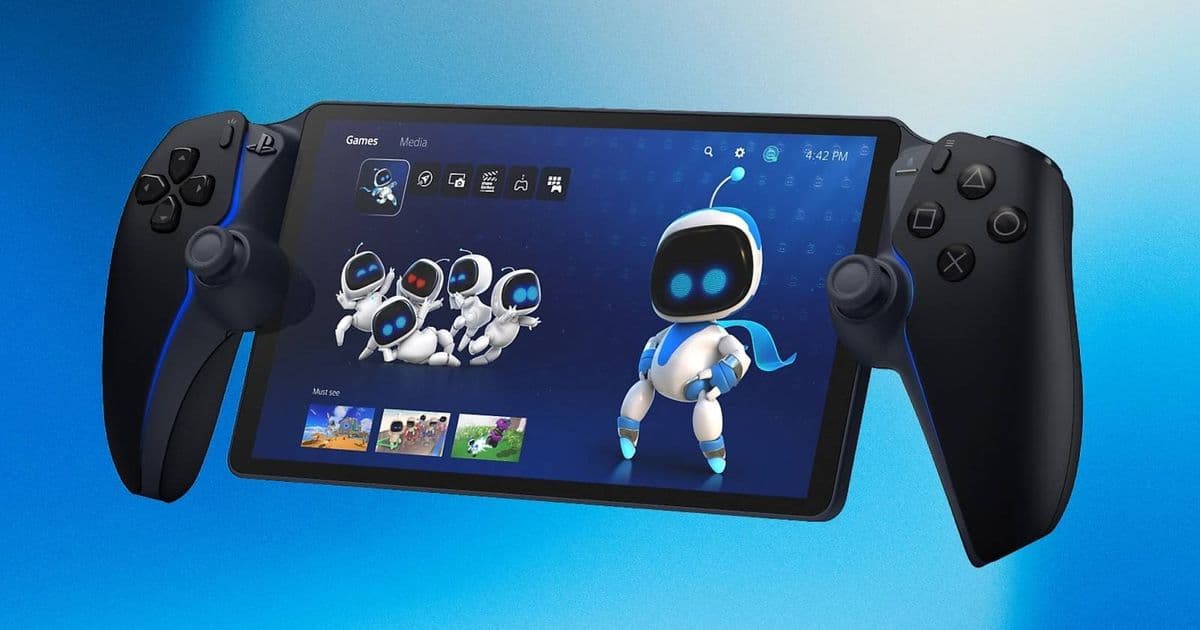
Supply chain leaks suggest Sony is developing a refreshed PlayStation Portal with upgraded display technology and the ability to play games without constant cloud streaming dependency.
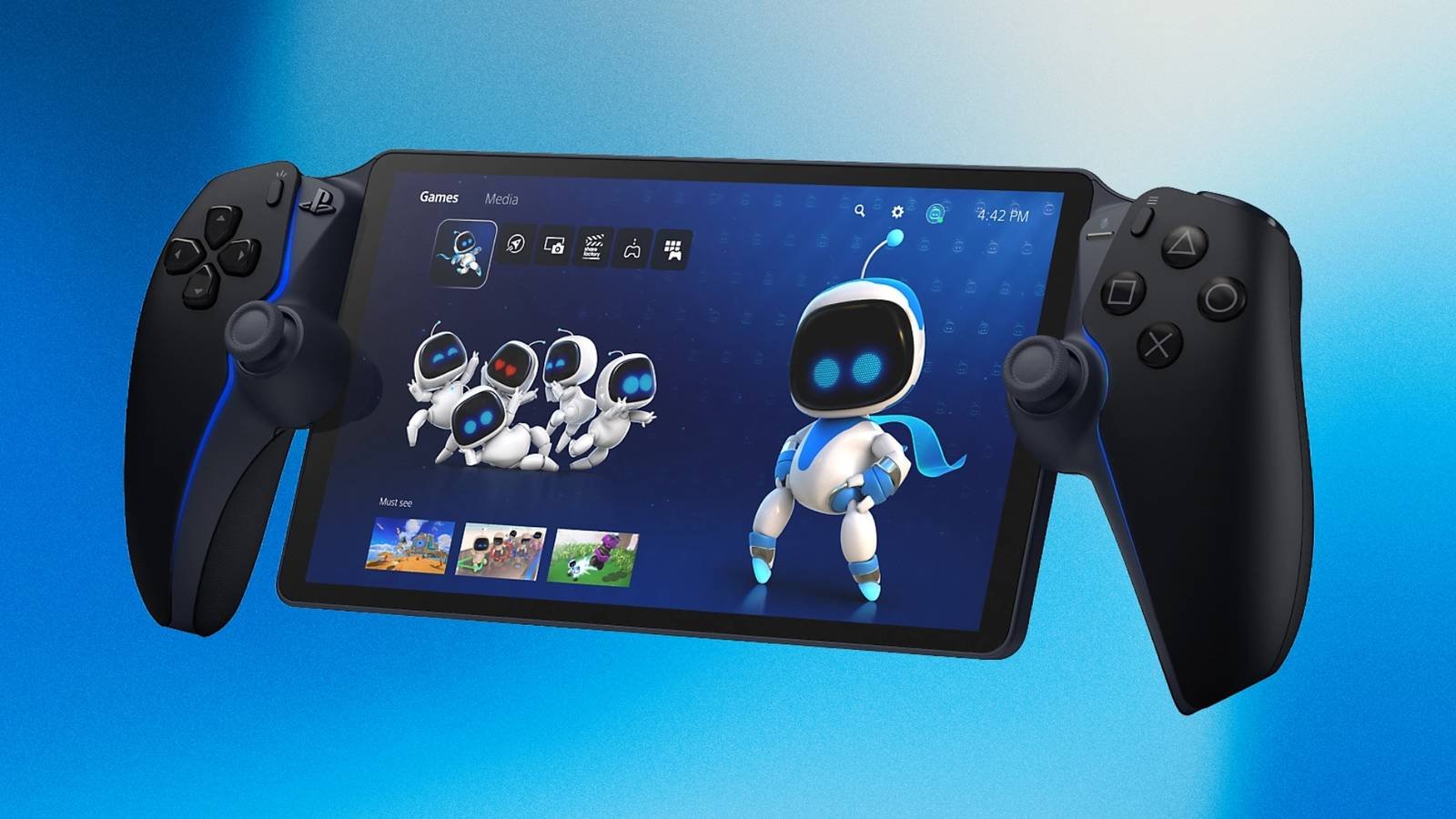
Sony's PlayStation Portal has only been on the market for just over a year, but industry sources indicate the company is already working on a second-generation hardware revision. The original Portal, which launched in late 2023 as a remote play accessory for PS5, faced criticism for its LCD screen quality and complete reliance on internet connectivity. According to component suppliers familiar with Sony's roadmap, the updated model addresses these limitations directly.
Display Technology Upgrade
The most significant change appears to be a switch from the current 8-inch 1080p LCD panel to a Samsung-made OLED display. This isn't just about deeper blacks or better contrast ratios. OLED technology offers near-instant pixel response times, which matters significantly for remote play scenarios where network latency already introduces input lag. The original Portal's LCD panel had noticeable ghosting during fast motion, which compounded the inherent delays in video streaming.
The display upgrade also brings variable refresh rate support, something the first generation completely lacked. While the Portal streams at a locked 60fps, VRR would help smooth out frame pacing inconsistencies that occur when network conditions fluctuate. Sony would need to implement this carefully since the PS5's remote play protocol doesn't officially support VRR streaming yet.
Storage and Offline Capability
Perhaps more interesting is the rumored addition of local storage for downloaded games. The current Portal functions purely as a streaming client - it cannot store or run games locally. Sources suggest the new hardware includes 256GB of internal storage, which would allow users to download certain PS5 titles directly to the device.
This raises questions about how Sony would handle the architecture. The Portal runs on a modified Android base with a custom Qualcomm Snapdragon chip. It's not powerful enough to natively run PS5 games, so the local storage would likely serve two purposes: caching frequently played games to reduce streaming buffer times, and potentially running a subset of PS4/PS5 games through a new local emulation layer.
Sony has patents for hybrid cloud-local gaming that could factor in here. The device might download game assets ahead of time while streaming the actual processing workload from the PS5. This would reduce bandwidth requirements and improve responsiveness, similar to how Xbox Cloud Gaming uses edge caching.
Hardware and Connectivity
The component leaks show the new Portal uses a Snapdragon G3x Gen 2 platform, an upgrade from the first generation's G3x Gen 1. This chip includes better Wi-Fi 7 support, which could significantly improve streaming stability in congested network environments. Wi-Fi 7's multi-link operation allows devices to transmit data across multiple frequency bands simultaneously, reducing packet loss during gameplay.
Battery life improvements are also on the roadmap. The current Portal manages about 6-8 hours depending on brightness and network conditions. The new model reportedly includes a larger 8,500mAh battery combined with more efficient OLED display technology, potentially pushing that to 10-12 hours.
Controller ergonomics haven't been ignored either. While the basic DualSense-style layout remains, the new version includes slightly larger grips and improved haptic feedback that more closely matches the full PS5 controller. The trackpad area has been enlarged as well, which helps with games that require precise cursor control.
Software and Ecosystem Changes
Hardware improvements only matter if the software ecosystem supports them. Sony would need to update the PlayStation Remote Play protocol to take advantage of the new storage capabilities. This could mean allowing users to pre-download game updates or shader caches, reducing the initial connection overhead.
There's also the question of PlayStation Plus Premium integration. Currently, cloud streaming through the Portal requires a Premium subscription and stable internet. If the new device can locally cache streaming content, it might open the door to a more flexible subscription model where users can download games for offline play within certain time limits.
Market Context
The original PlayStation Portal sold surprisingly well despite its limitations, primarily filling a niche for PS5 owners who want to play in other rooms without tying up a TV. However, it faced competition from devices like the Steam Deck and ASUS ROG Ally, which can stream games locally while also functioning as standalone handhelds.
Sony's rumored upgrade suggests they're taking that competition seriously. By adding OLED display technology and local storage capabilities, the Portal would differentiate itself from pure streaming devices while maintaining its core identity as a PS5 companion rather than a standalone console.
Timeline and Availability
Based on the component supply chain, production would likely begin in Q2 2024 for a holiday season release. This timeline aligns with Sony's typical hardware refresh cycles. However, these plans could change depending on component costs and market reception to the current Portal model.
Pricing remains uncertain. The original Portal launched at $199. The OLED display and additional storage would likely push the new model to $249-$299, positioning it closer to entry-level Steam Deck pricing but still well below premium handheld gaming PCs.
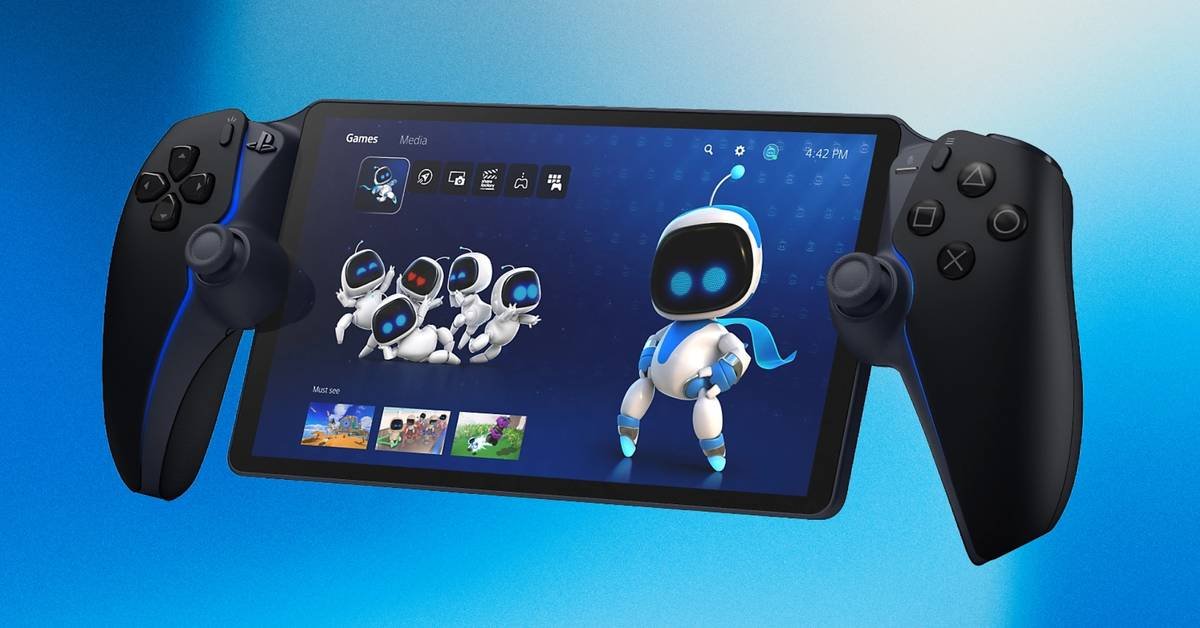
Sony has not officially commented on these rumors, and the company typically doesn't pre-announce hardware revisions. If the supply chain information proves accurate, we should see official announcements closer to mid-2024, potentially during a summer PlayStation showcase event.
The bigger question is whether Sony will commit to the Portal as a product line or treat it as an experiment. A second-generation model with meaningful upgrades would signal that remote play is a permanent part of PlayStation's strategy rather than a temporary solution for PS5 owners who want more flexibility in where they play.
For current Portal owners, the rumored improvements are significant enough to consider upgrading, especially if the local storage feature enables new use cases. For potential buyers who skipped the first generation due to its limitations, the second generation might finally deliver the experience they were waiting for.
The mobile gaming landscape continues to evolve rapidly, and Sony's decision to iterate quickly on the Portal shows they understand that hardware in this space has a short shelf life. Whether this rumored device launches as described or gets delayed and reconfigured, the direction is clear: handheld gaming accessories need to be more capable, more flexible, and less dependent on perfect network conditions to remain relevant.
Comments
Please log in or register to join the discussion