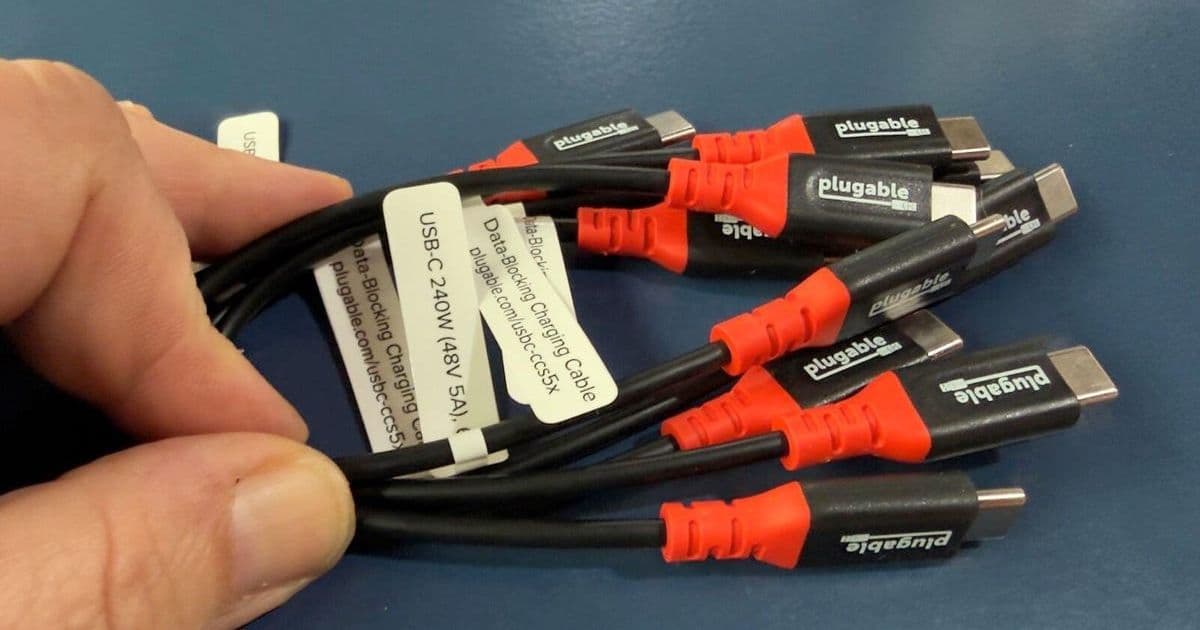
Public USB charging ports pose serious security risks through juice jacking, where hackers steal data via compromised connections. Plugable's specialized USB-C cables—priced from $15—offer an elegant defense by enabling up to 240W charging while completely blocking data transfer. This review unpacks why these cables are essential gear for travelers and security-conscious professionals.
In today's hyper-connected world, the humble USB-C port has become a double-edged sword. While it powers our devices, its data capabilities make public charging stations—airports, cafes, transit hubs—prime targets for juice jacking attacks. Hackers compromise these ports to install malware or siphon sensitive data the moment users plug in. As ZDNET's Adrian Kingsley-Hughes reports, Plugable’s data-blocking cables provide a surprisingly simple countermeasure: physical prevention of data exchange while delivering robust charging.
The Stealth Threat in Plain Sight
Juice jacking exploits USB-C’s dual-purpose design. Attackers tamper with public ports to intercept credentials, financial data, or deploy ransomware. Traditional security software can’t always detect these hardware-level breaches, making prevention critical. Plugable’s solution eliminates the risk at its root: their cables lack data pins entirely. With no pathway for communication, even compromised ports can only transfer power—up to 240W for fast laptop or phone charging.
Engineering Security into the Cable
Three variants cater to different needs:
- 1m/3.3ft cable ($15): Ideal for everyday carry
- 2m/6.6ft cable ($16): Optimal for laptop users
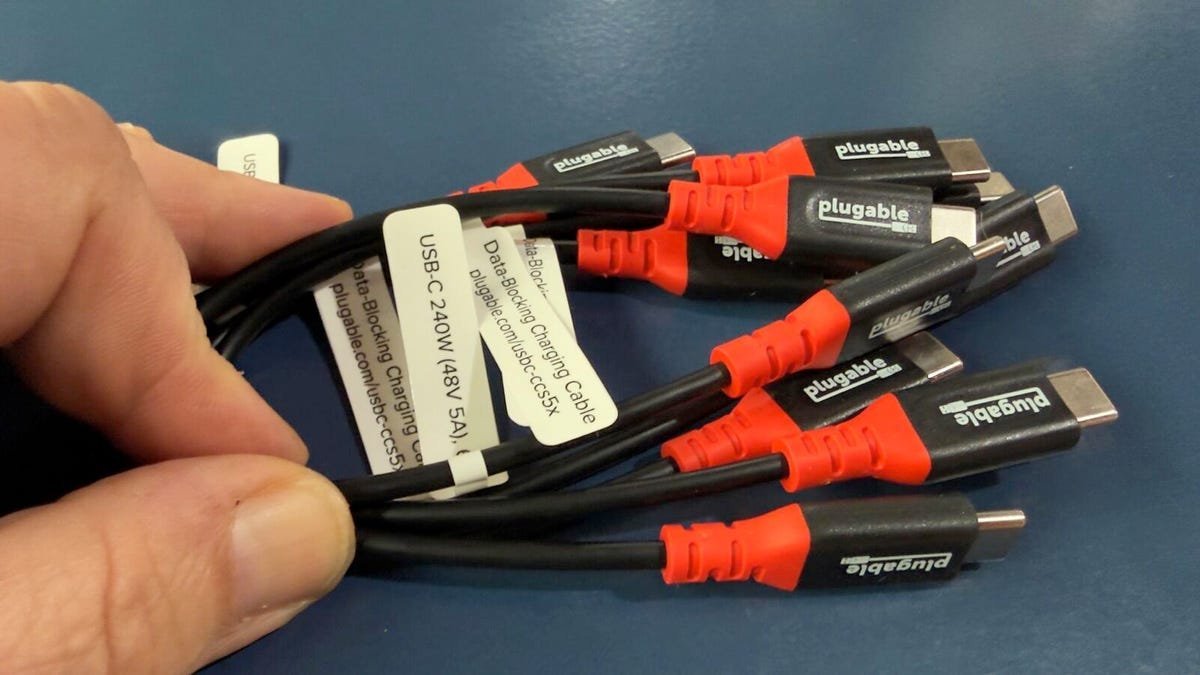
- 5-pack of 15cm/6in cables ($25): Perfect for compact devices like headphones
Each features an E-Marker chip for safe high-wattage charging and distinctive red strain relief—a visual cue that it’s ‘power only.’ 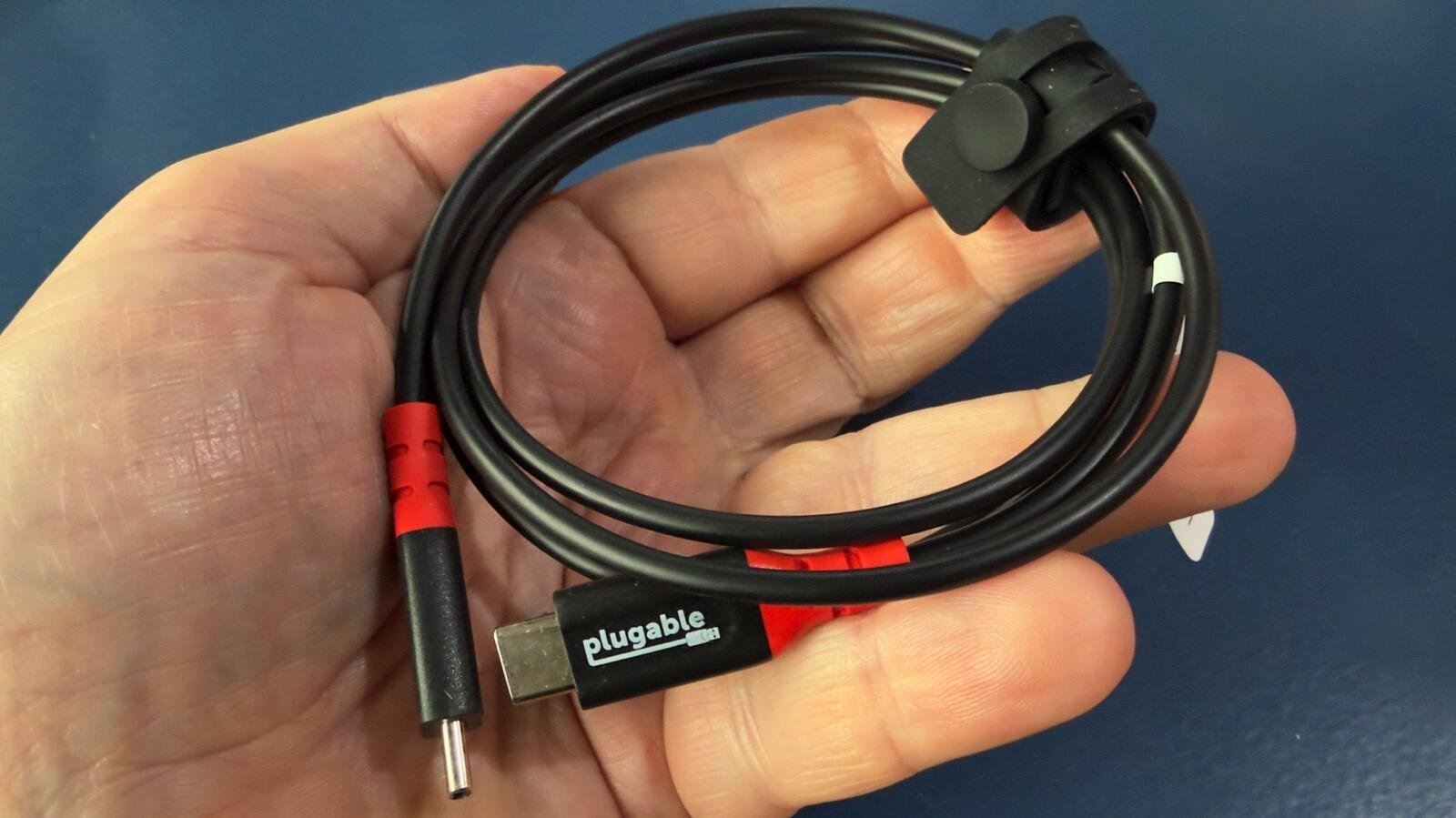 This design outperforms dongle-based blockers, which users often forget or misplace. As Kingsley-Hughes notes: ‘Red means power only’ isn’t just branding—it’s a security mantra.
Who Really Needs This?
For home or office charging, standard cables suffice. But frequent travelers face genuine risks. Plugable’s cables transform any public port into a safe power source without sacrificing convenience. At $15, they’re a negligible investment compared to data-breach fallout. While data-blocking dongles offer flexibility, their small size increases loss risk—making integrated cables a smarter choice for consistent protection.
As USB-C becomes ubiquitous, hardware-level security innovations like this highlight a broader shift: defending infrastructure starts at the physical layer. For developers and IT teams, such tools aren’t just accessories—they’re essential components in a layered defense strategy against evolving physical-digital threats.
Source: ZDNET review by Adrian Kingsley-Hughes
Comments
Please log in or register to join the discussion