Poseup AI introduces a groundbreaking platform that uses artificial intelligence to transform awkward poses into natural stances in existing photographs. This technology promises to revolutionize photography workflows while igniting fresh debates about authenticity in the digital age.
Poseup AI: Reinventing Photography with Generative Pose Correction
We've all experienced the frustration of an otherwise perfect photo ruined by an awkward arm position or stiff posture. Traditional photo editing requires painstaking manual work to fix these issues—until now. Poseup AI has launched an automated solution leveraging generative AI to intelligently adjust human poses in existing photographs, potentially transforming how professionals and amateurs approach image perfection.
The Technology Behind the Magic
While Poseup hasn't disclosed its full technical architecture, the platform appears to combine several cutting-edge AI disciplines:
- Pose Estimation: Precise mapping of body joints and skeletal structures using computer vision
- Generative Adversarial Networks (GANs): Synthetic regeneration of realistic body positions while preserving clothing and background details
- Context-Aware Infilling: Intelligent reconstruction of obscured areas when limbs move to new positions
This pipeline allows the system to analyze an existing photo, identify suboptimal poses, and generate natural-looking alternatives with adjusted limb positioning, posture, and body angles.
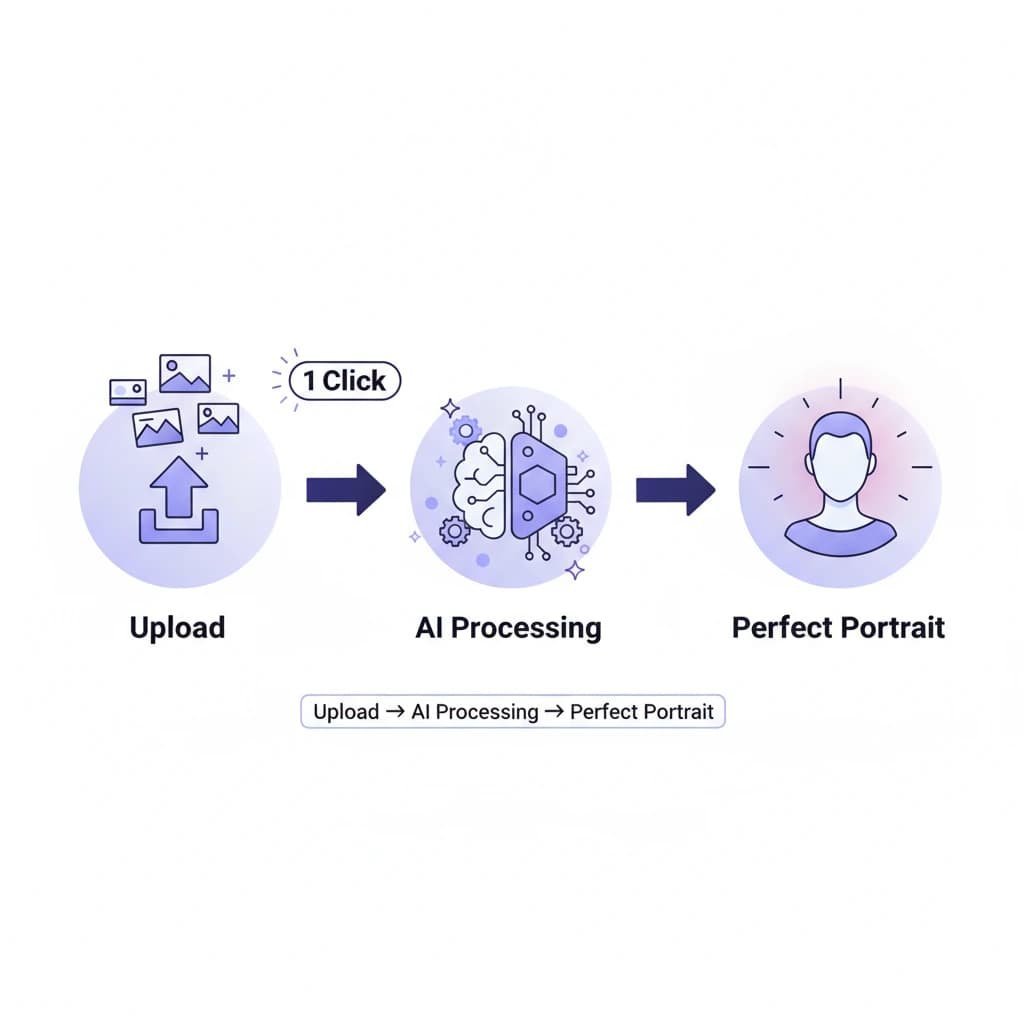
Poseup AI's interface demonstrates pose adjustment capabilities (Image: Poseup)
Implications for Creative Industries
The implications extend far beyond casual photo fixes:
- Professional Photography: Wedding and portrait photographers could salvage shots without reshoots, saving significant time and resources
- E-commerce: Product models' poses adjustable post-shoot for optimal clothing display
- Content Creation: Social media influencers and marketers could perfect branded imagery in seconds
"This represents the next evolution in computational photography," observes Dr. Elena Torres, computer vision researcher at Stanford. "We're moving from basic filters to semantic understanding of human aesthetics."
The Authenticity Dilemma
As with all generative media technologies, Poseup raises critical questions:
- When does enhancement become deception in journalistic or documentary contexts?
- How should platforms handle AI-modified profile pictures?
- What ethical guardrails should developers implement?
The company addresses some concerns by maintaining visible metadata about modifications, though determined bad actors could easily strip this information.
Developer Considerations
For the technical community, Poseup highlights several emerging opportunities:
# Sample pose estimation pseudocode
pose_data = detect_human_pose(image)
ideal_pose = calculate_aesthetic_improvement(pose_data)
generated_image = synthesize_new_pose(image, ideal_pose)
Key technical challenges include preventing anatomical impossibilities, maintaining lighting consistency, and handling occluded body parts during pose transitions. The computational demands also suggest cloud-based processing will dominate this niche.
As these tools evolve, we'll witness tighter integration with existing creative suites and possible real-time implementation—imagine cameras that suggest pose improvements before you even press the shutter. While Poseup currently focuses on static images, the logical progression involves video applications, raising even more complex questions about our relationship with captured reality.
Source: Poseup AI
Comments
Please log in or register to join the discussion