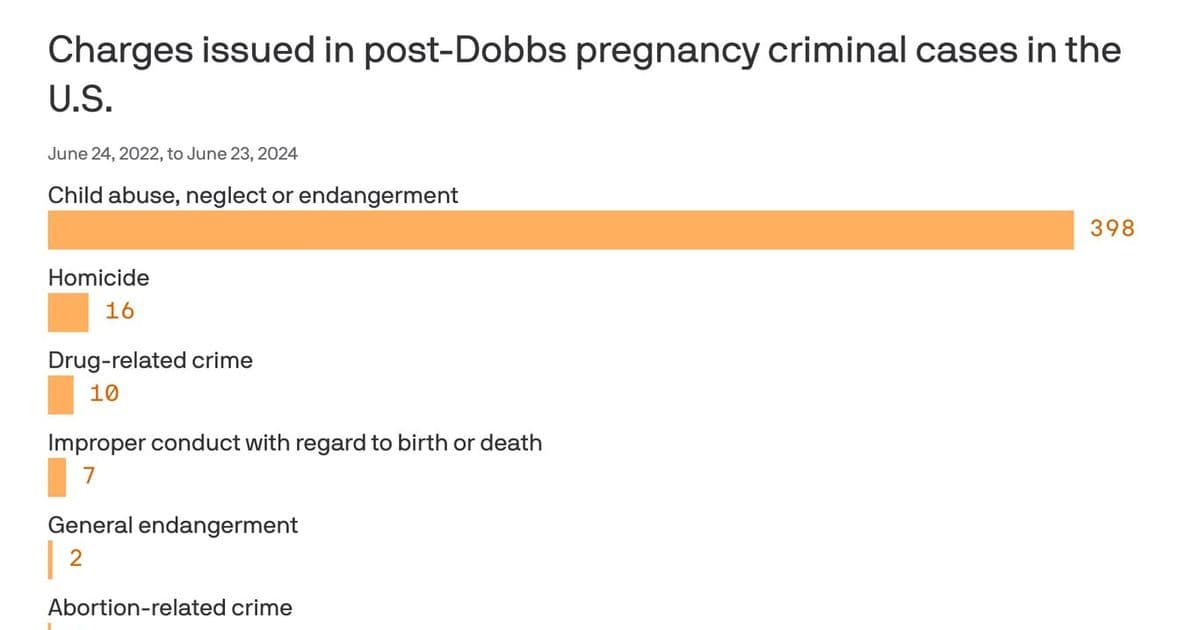
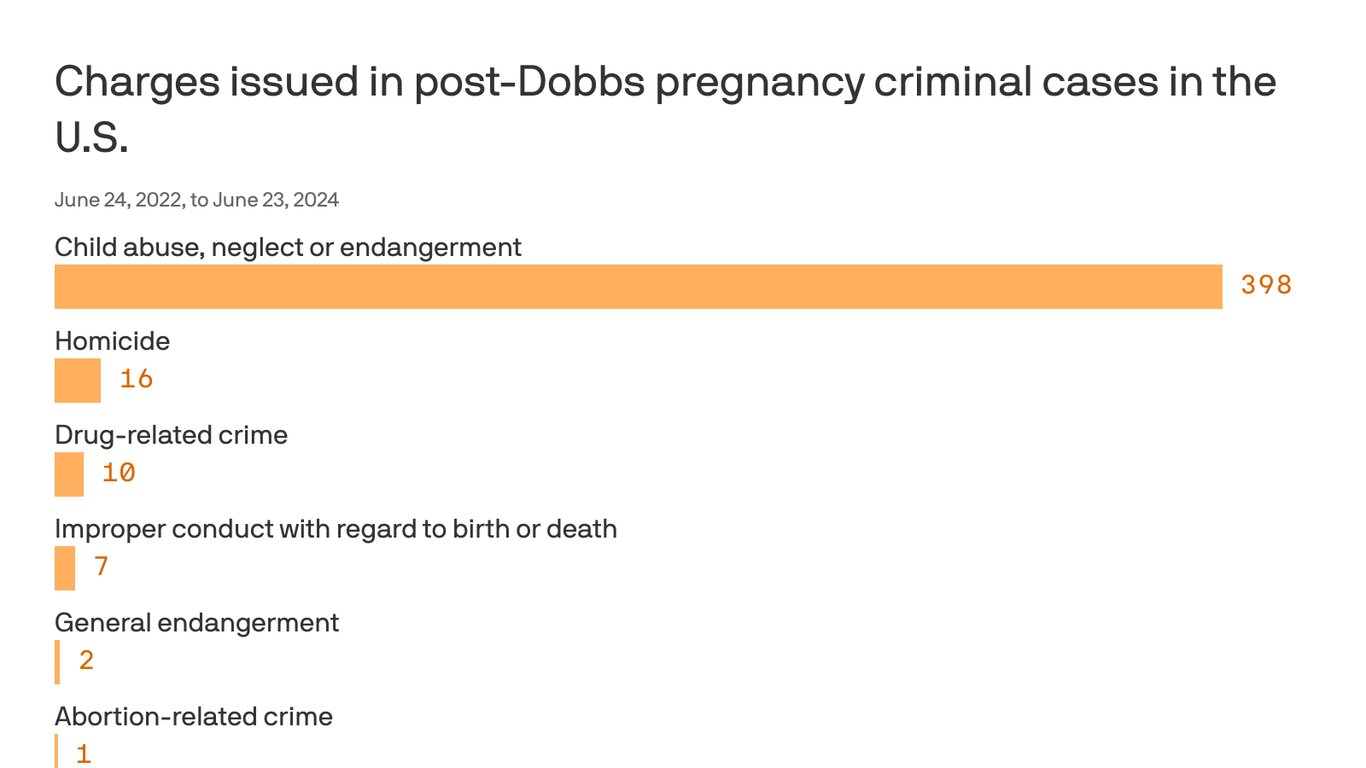
A new analysis of court records and legal databases shows a sharp increase in criminal prosecutions related to pregnancy outcomes in states that have enacted strict abortion bans since the overturning of Roe v. Wade. The trend highlights the complex legal and medical landscape emerging from new state-level restrictions.
A review of court filings and legal advocacy group reports indicates that prosecutions for crimes related to pregnancy outcomes—such as alleged drug use during pregnancy, self-managed abortion, or actions leading to fetal demise—have increased significantly in states with abortion bans. This shift is creating new challenges for healthcare providers, legal professionals, and patients navigating reproductive care.
The Legal Shift After Dobbs
Following the Supreme Court's decision in Dobbs v. Jackson Women's Health Organization, which returned abortion regulation to individual states, several states enacted near-total bans or severe restrictions on abortion. This legal change has created ambiguity around the status of the fetus under criminal law. In some states, laws that were previously dormant or rarely enforced are now being applied more aggressively to pregnant individuals.
For example, in Alabama, a state with a near-total abortion ban, the state Supreme Court ruled in 2023 that frozen embryos can be considered "children" under a wrongful death statute. This ruling has implications beyond in-vitro fertilization (IVF) clinics and has been cited in legal arguments about fetal personhood. Similarly, in Texas, the "heartbeat" law allows private citizens to sue anyone who aids in an abortion, creating a civil enforcement mechanism that operates alongside criminal statutes.
Prosecution Patterns and Data
Data compiled by legal advocacy organizations, including the National Advocates for Pregnant Women (NAPW) and the Pregnancy Justice organization, shows that between 2010 and 2022, there were over 1,300 arrests or prosecutions related to pregnancy outcomes in the United States. The majority of these cases involved allegations of substance use during pregnancy, often in states with "fetal homicide" laws or specific statutes targeting pregnant individuals.
Since 2022, the rate of such prosecutions has risen in states with abortion bans. In Tennessee, for instance, a 2020 law that criminalizes the use of substances during pregnancy has been enforced more frequently since the state's abortion ban took effect. Similarly, in Georgia, which has a "heartbeat" law, there have been reports of investigations into individuals who experienced pregnancy loss.
Healthcare providers report that the legal environment is affecting patient care. Some patients are hesitant to disclose substance use or other health issues to their doctors for fear of legal repercussions. This can lead to delayed treatment and poorer health outcomes. Medical organizations, including the American College of Obstetricians and Gynecologists (ACOG), have issued statements emphasizing that criminalizing pregnancy outcomes is detrimental to public health.
Implications for Healthcare and Law
The rise in prosecutions has significant implications for the medical and legal fields. Healthcare providers must navigate complex ethical and legal obligations when treating pregnant patients. In some cases, doctors have been subpoenaed to testify against their patients, creating conflicts between patient confidentiality and legal demands.
Legal experts point out that many of these prosecutions rely on laws that were not designed to target pregnant individuals. For example, child endangerment statutes are being applied in situations where the primary harm is to the fetus, not the pregnant person. This has led to debates about the interpretation of existing laws and the need for clearer legislative guidance.
Furthermore, the trend raises questions about equity and access. Prosecutions are disproportionately affecting low-income individuals and people of color, who may have less access to legal resources and healthcare. This exacerbates existing disparities in maternal health outcomes.
Looking Ahead
As more states consider or enact abortion restrictions, the legal landscape around pregnancy is likely to become more complex. Advocacy groups are pushing for legislation that explicitly protects pregnant individuals from criminal prosecution for pregnancy outcomes. At the same time, some states are considering laws that would further restrict abortion access, potentially leading to more legal challenges and prosecutions.
For those interested in following these developments, resources such as the National Advocates for Pregnant Women and the Pregnancy Justice organization provide updates and analysis on ongoing cases and policy changes. Additionally, the American College of Obstetricians and Gynecologists offers guidance for healthcare providers navigating these legal complexities.
The intersection of abortion law, criminal justice, and healthcare continues to evolve, with significant consequences for individuals, providers, and the broader legal system.
Comments
Please log in or register to join the discussion