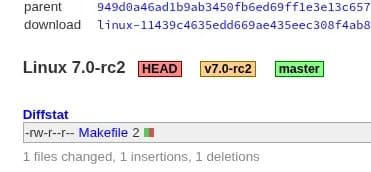
The second release candidate for Linux 7.0 has arrived with a notably large batch of fixes, prompting kernel maintainer Linus Torvalds to express concern over the size of the update and speculate about timing factors.
The Linux kernel development team has released the second release candidate for Linux 7.0, but the update's substantial size has raised eyebrows among developers. Linus Torvalds, the creator of Linux, expressed his concerns in the release announcement, noting that this particular release candidate is unusually large compared to typical development cycles.
Unusually Large Release Candidate
Torvalds stated in his announcement, "So I'm not super-happy with how big this is," referring to the size of Linux 7.0-rc2. The release includes a significant number of non-merge commits, marking what appears to be one of the largest rc2 releases in recent memory. The kernel maintainer speculated that this could be due to "random timing noise" or potentially pent-up work from the extended 6.19 development cycle.
This observation is particularly noteworthy because release candidates typically follow a pattern of decreasing size as the kernel approaches its final stable release. The larger-than-expected size suggests there may be underlying factors affecting the development timeline.
Technical Changes and Fixes
Despite the size concerns, Linux 7.0-rc2 includes several important technical improvements and bug fixes. Among the most significant changes are numerous fixes for the AMDXDNA Ryzen AI accelerator driver, addressing issues with AMD's neural processing unit integration. Additionally, scattered kernel graphics driver fixes have been implemented to improve overall system stability and performance.
Torvalds also contributed a change himself, removing an old Kconfig option that was generating excessive log spam messages. This cleanup addresses a long-standing annoyance for system administrators and developers who work extensively with kernel logging.
Distribution of Changes
Interestingly, this release candidate deviates from the typical pattern of driver-focused updates. While drivers still account for approximately 25% of the changes, this represents a smaller proportion than usual. Normally, driver updates constitute at least half of the changes in a release candidate.
The remaining changes are distributed across several key areas:
- Filesystems: Approximately 25% of changes, primarily focused on the SMB client, with additional updates to XFS and EROFS filesystems
- Tests: A significant portion dedicated to BPF (Berkeley Packet Filter) testing infrastructure
- Core kernel: Various improvements to fundamental kernel components
- BPF subsystem: Updates to the extended Berkeley Packet Filter system
- Architecture updates: Changes affecting different CPU architectures
- Networking code: Improvements to network stack functionality
Development Timeline and Expectations
The Linux 7.0 development cycle has been closely watched by the open-source community, particularly given the significance of major kernel version releases. The current timeline suggests that Linux 7.0 will reach stable release status by mid-April, assuming the remaining release candidates proceed according to plan.
However, the larger-than-expected size of rc2 may indicate potential delays or additional stabilization work required before the final release. The kernel development team will need to carefully evaluate whether the current pace of changes is sustainable for meeting the projected release date.
Looking Ahead
As the Linux 7.0 development progresses, the community will be watching closely to see whether subsequent release candidates return to more typical sizes or if this larger pattern continues. The distribution of changes across different kernel subsystems also provides insight into current development priorities and areas requiring the most attention.
For users and administrators planning to adopt Linux 7.0, the current release candidate offers an opportunity to test the new features and improvements while providing feedback to developers. The comprehensive nature of the changes means that thorough testing will be essential to ensure stability in the final release.

The Linux kernel development process continues to demonstrate its complexity and the careful balance required between introducing new features and maintaining system stability. As Linux 7.0 moves through its final development stages, the community remains engaged in ensuring that this major release meets the high standards expected of the world's most widely used open-source kernel.
Comments
Please log in or register to join the discussion