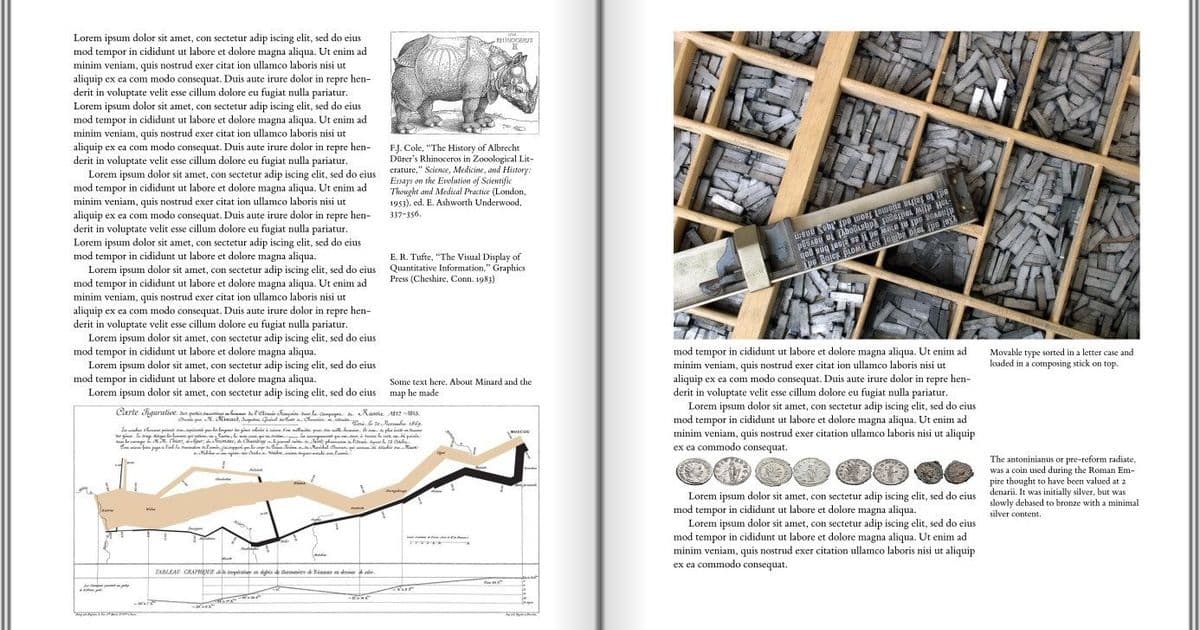
Prince transforms HTML and CSS into sophisticated PDF documents with advanced layout capabilities like sidenotes, grids, and variable fonts. This converter empowers developers to leverage existing CSS skills for professional print-ready outputs. Discover how Prince bridges the gap between web design and print publishing.
For developers wrestling with the limitations of HTML-to-PDF conversion, Prince emerges as a game-changing solution. Unlike basic renderers, Prince treats HTML and CSS as a complete publishing system, enabling complex print layouts previously requiring specialized desktop software. By interpreting CSS specifications with remarkable fidelity, it unlocks professional-grade typography, multi-column flows, and intricate page geometry.
Advanced Layout Capabilities
Prince supports features that elevate PDF generation:
- Sidenotes & Footnotes: Seamlessly positions marginalia without manual coordinate calculations
- CSS Grid & Flexbox: Creates responsive print layouts using familiar web techniques
- Variable Fonts: Enables fine-grained typographic control for print optimization
- Running Headers/Footers: Automates dynamic content repetition across pages
- Baseline Alignment: Maintains vertical rhythm for polished typography
The tool particularly shines in academic publishing, where it implements Edward Tufte's iconic data-rich design principles. As demonstrated below, Prince replicates Tufte's signature wide margins, integrated sidenotes, and tight typography:
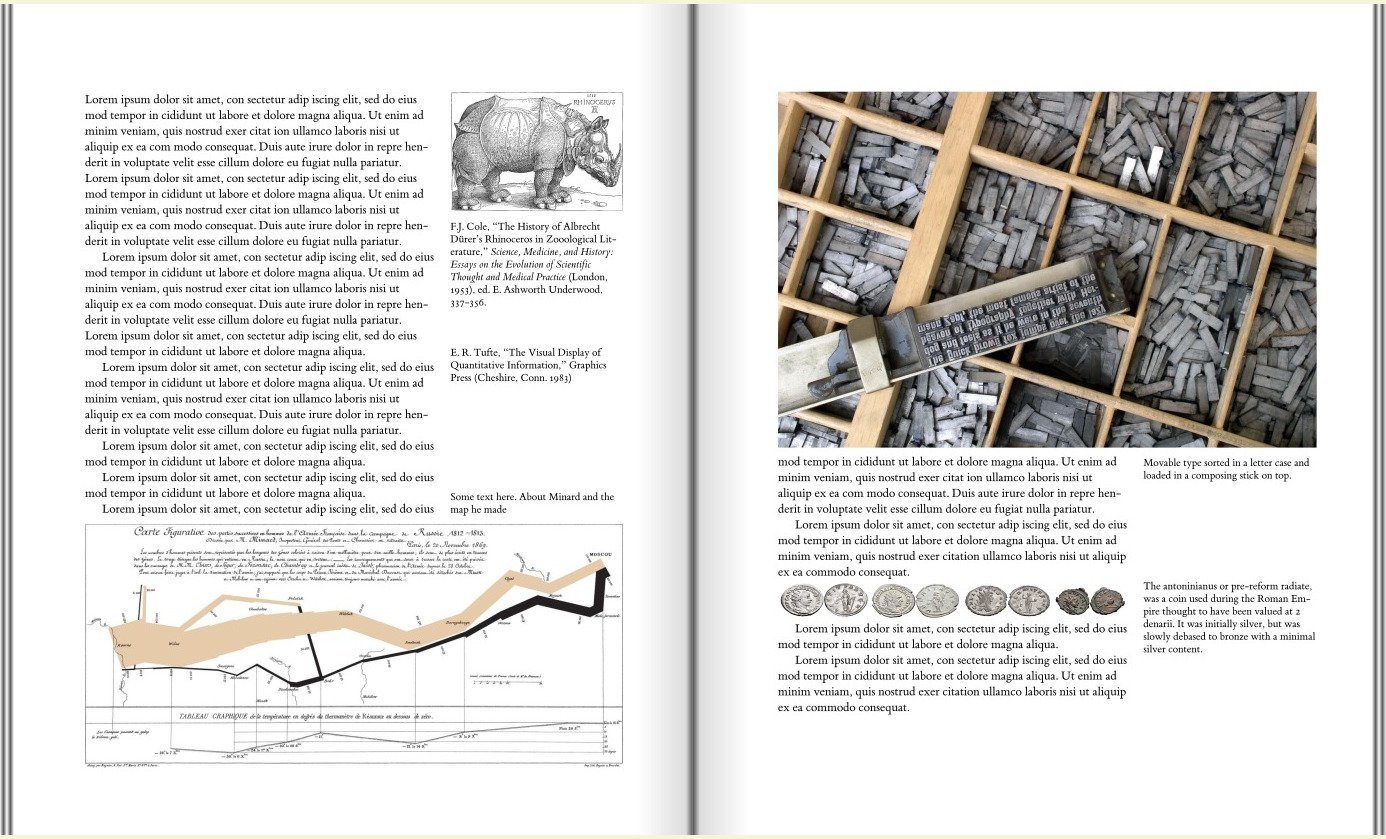
Tufte-inspired spread generated with Prince (Source: css4.pub)
Beyond Standard CSS
Prince extends CSS with print-specific enhancements:
- Textfitting: Automatically scales text to fit constrained spaces
- PDF Comments: Embeds interactive annotations in output documents
text-replaceProperty: Dynamically swaps content during rendering- Boxtracking API: Programmatically measures element positions
These features enable complex use cases like automatically generated tables of contents, musical notation rendering, and precise business letter formatting.
Strategic Importance for Developers
Prince represents a paradigm shift by allowing teams to:
- Maintain single-source content for both web and print
- Eliminate manual layout work through CSS automation
- Leverage existing web development skills for print workflows
- Generate accessible, searchable PDFs with semantic HTML foundations
Though its documentation remains under development, Prince's robust implementation of CSS Paged Media specifications offers a compelling solution for organizations needing high-quality printable outputs. Created by CSS pioneer Håkon Wium Lie, it pushes the boundaries of what's possible when treating the browser engine as a sophisticated print formatter.
As digital and print mediums converge, tools like Prince demonstrate how CSS—originally conceived for screens—can successfully conquer the printed page while preserving the flexibility and maintainability of web-native workflows.
Comments
Please log in or register to join the discussion