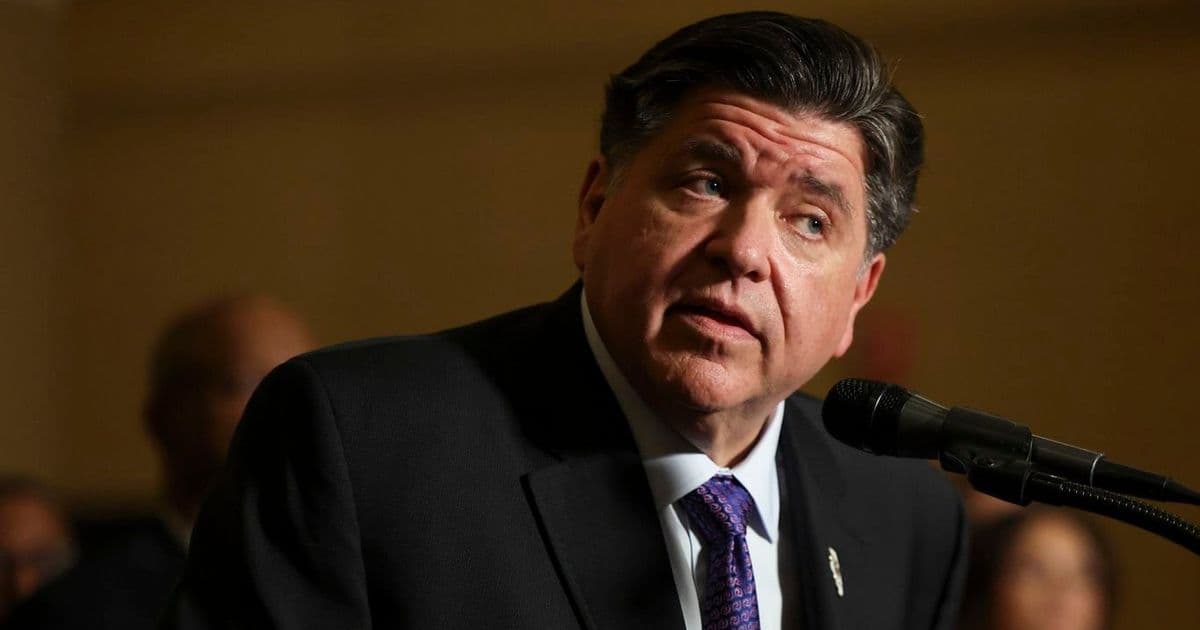
Illinois Governor J.B. Pritzker faces scrutiny over previous financial contributions to the American Israel Public Affairs Committee as he navigates political relationships.
Illinois Governor J.B. Pritzker is working to move past controversy surrounding his previous financial contributions to the American Israel Public Affairs Committee (AIPAC), according to recent reporting by Axios. The Democratic governor, who has been a major political donor himself, faces questions about his past support for the influential pro-Israel lobbying organization as he manages current political relationships and policy positions.
Pritzker's donations to AIPAC have become a point of discussion among political observers, particularly as debates over U.S. policy toward Israel have intensified on the national stage. The governor has attempted to contextualize these contributions as part of his broader political engagement rather than as indicators of specific policy commitments.
The timing of this scrutiny comes as Pritzker continues to build his national profile within the Democratic Party. As a wealthy businessman who has invested heavily in Democratic causes, his financial history is subject to increased examination. His relationship with AIPAC, an organization that has faced criticism from some progressive Democrats, adds complexity to his political positioning.
Pritzker's approach to addressing these past donations reflects a broader challenge facing Democratic politicians who must balance relationships with traditional pro-Israel groups while also acknowledging the evolving perspectives within their party. The governor has emphasized his current policy positions and legislative record rather than focusing on historical financial contributions.
This situation highlights the ongoing tension within the Democratic Party regarding Israel policy, where traditional support for the U.S.-Israel relationship coexists with growing progressive criticism of Israeli government policies. Pritzker's navigation of this issue demonstrates the delicate balancing act required of Democratic leaders as they manage diverse constituencies.
The controversy also underscores how financial contributions to political organizations, even those made years ago, can resurface and require political figures to provide context and explanation. For Pritzker, who has built his political career partly on his ability to fund Democratic campaigns and causes, this scrutiny of past donations represents a familiar but challenging aspect of political life.
As the 2024 election cycle approaches, Pritzker's handling of questions about his AIPAC donations may serve as a test case for how other Democratic politicians address similar issues. His response strategy—focusing on current policy positions rather than defending past financial decisions—may offer a template for others facing comparable scrutiny.
The governor's efforts to move past this controversy come as he continues to position himself as a national Democratic leader, particularly on economic and infrastructure issues where his business background provides credibility. How successfully he can separate his past financial contributions from his current political identity may influence his effectiveness in building coalitions within an increasingly diverse Democratic coalition.
For Illinois residents and political observers, Pritzker's handling of this issue provides insight into how the state's leadership navigates complex national political dynamics while maintaining focus on state-level governance priorities.
Comments
Please log in or register to join the discussion