As invasive tracking and fingerprinting escalate, privacy-focused browsers offer essential refuge. We dissect the top contenders—Brave, DuckDuckGo, Firefox, Tor, and Mullvad—revealing their tradeoffs in anonymity, speed, and usability for developers and privacy-conscious users navigating today’s data-hungry web.
The internet has become a battlefield for user autonomy. Between covert ad trackers, behavioral fingerprinting, and rampant data harvesting, conventional browsers function as surveillance tools by default. For developers and tech professionals handling sensitive projects—or anyone reclaiming their digital sovereignty—specialized privacy browsers are no longer optional. Based on rigorous testing and threat analysis, here are the top contenders in 2025:
🛡️ 1. Brave: The Privacy-Powered Daily Driver
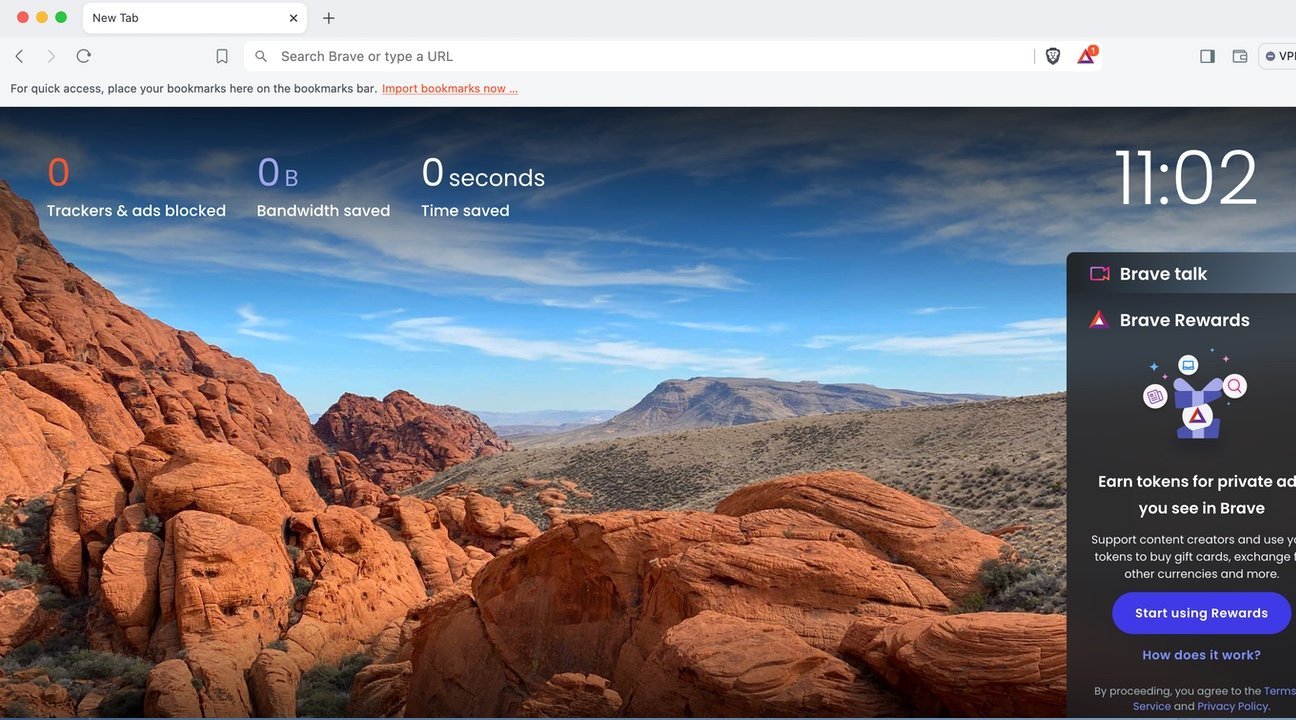
Why it leads: Brave’s radical overhaul of Chromium excises Google’s telemetry while embedding defenses like third-party tracker blocking, automatic HTTPS upgrades, and cookie/fingerprinting resistance. Its optional Tor routing and "Off the Record" mode (designed for high-risk users) set a high bar.
- Technical edge: Scriptlet injection (v1.75+) allows custom page manipulation—ideal for devs testing anti-tracking measures. First iOS browser to enforce HTTPS by default.
- Tradeoffs: Some users report RAM consumption spikes. Integrated VPN requires separate subscription.
"Brave proves privacy and performance aren’t mutually exclusive—but expect a learning curve after Chrome."
🔎 2. DuckDuckGo: Privacy as a Search-First Philosophy
Beyond the engine: Born from its no-log search ethos, DuckDuckGo’s browser extends protection via automatic encryption, tracker blocking, and a strict no-data-collection policy. Its new AI Chat leverages GPT anonymously, aligning with its core mission.
- Monetization clarity: Non-targeted ads fund operations; Privacy Pro ($10/month) bundles VPN and identity protection.
- Reality check: The minimalist interface lacks advanced tools. Recent AI-image-blocking feature highlights its reactive privacy stance.
🌐 3. Firefox: The Mainstream Privacy Vanguard
Engine-level resistance: Mozilla’s Enhanced Tracking Protection borrows Tor techniques to combat fingerprinting and cryptojacking. "Strict mode" offers maximal blocking (may break sites). Its Encrypted Client Hello (ECH) hides SNI data—a boon for censorship circumvention.
- Ecosystem: Firefox Focus (mobile) strips tracking to essentials. Mullvad VPN integration ($5/month) enhances coverage.
- Caveat: Resource intensity can challenge older hardware.
🧅 4. Tor Browser: Anonymity Above All
The gold standard: By routing traffic through volunteer-run nodes, Tor obscures IPs and thwarts traffic correlation—critical for journalists, activists, or high-risk environments. DuckDuckGo is its default search, reinforcing the privacy chain.
- Cost of anonymity: Speed suffers from multi-hop encryption. CAPTCHAs and site incompatibilities are common.
- Developer note: Ideal for accessing onion services or testing anonymity tools, but impractical for daily browsing.
🔒 5. Mullvad Browser: Tor’s Leaner Sibling
Privacy through uniformity: Built by Tor Project but distributed by Mullvad VPN, this browser mimics Tor’s fingerprinting resistance without the network overhead. Pre-configured with tracking/cookie blocking and private mode.
- Zero-trust model: Swedish police raided Mullvad in 2023—and found no user data to seize.
- Synergy: Pair with Mullvad VPN (€5/month) for end-to-end IP masking. DAITA protocol counters AI traffic analysis.
⚖️ Key Considerations for Technical Users
Choosing isn’t just about features—it’s threat modeling:
- Fingerprinting resistance: How effectively does the browser normalize JS APIs, screen resolution, and fonts? (Tor/Mullvad excel here)
- Telemetry & Audits: Does the vendor publish transparency reports or undergo independent audits? (Brave, Firefox, and Mullvad lead)
- Network-layer gaps: Even robust browsers leak IPs. Pair with a trusted VPN (Mullvad, Proton) for full coverage.
- Extension risks: Avoid third-party add-ons; they reintroduce tracking vectors. Use native features instead.
🔮 The Privacy Arms Race Escalates
Recent developments hint at intensified battles:
- OpenAI’s rumored Chromium-based browser could weaponize AI tracking
- Meta/Yandex caught de-anonymizing Android browser identifiers
- LayerX’s ExtensionPedia catalogs extension risks—critical for supply chain security
The bottom line: No browser is perfect. Brave offers the best balance for daily use, while Tor remains unmatched for anonymity. But all five disrupt the surveillance economy—giving engineers and privacy advocates tools to fight back. In 2025, your browser choice isn’t just preference; it’s defiance.
Source: ZDNET
Comments
Please log in or register to join the discussion