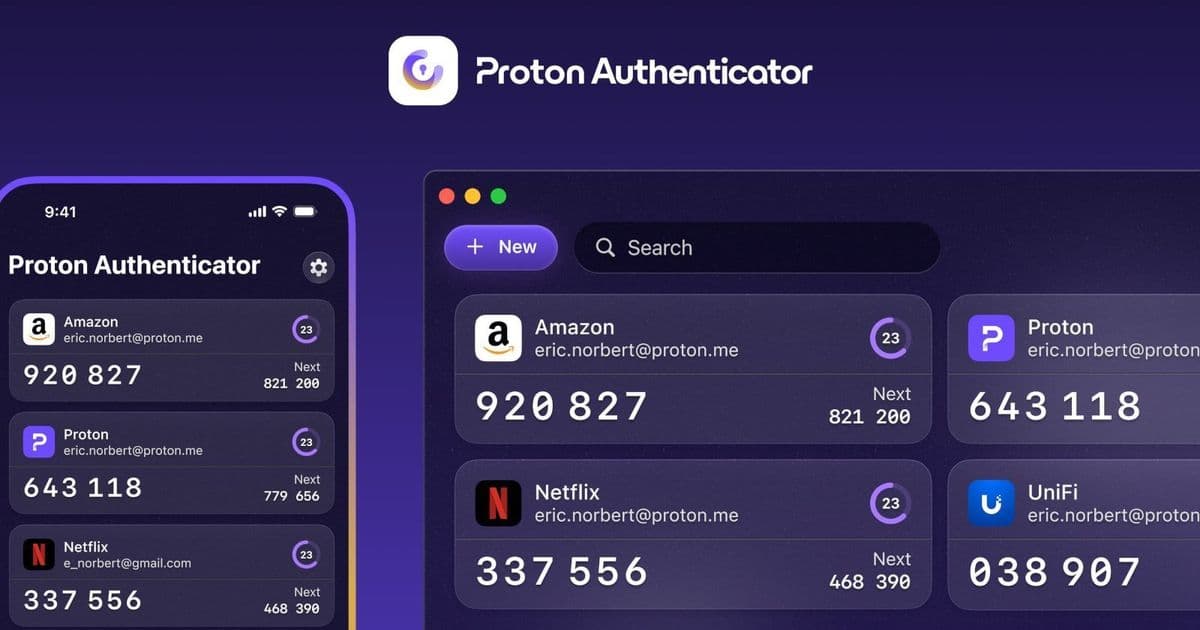

Proton has launched a free, cross-platform Authenticator app, offering end-to-end encryption and open-source transparency to counter ad-supported rivals like Google Authenticator. This move addresses critical gaps in two-factor authentication, including vendor lock-in and surveillance risks, empowering users with secure, portable TOTP management. The app’s emphasis on privacy and interoperability signals a shift toward user-centric security in an era of escalating cyber threats.
The Privacy Revolution in Two-Factor Authentication: Proton Takes Aim at Big Tech
In an age where data breaches and surveillance capitalism dominate headlines, the humble authenticator app has become a frontline defense for digital security. Yet, most popular options—like Google Authenticator or Authy—come with hidden costs: opaque code, invasive ads, and ecosystems designed to trap users. Enter Proton, the Swiss privacy advocate renowned for encrypted services like Proton Mail and Proton VPN. This week, Proton launched its free standalone Authenticator app for Windows, macOS, Linux, Android, and iOS, delivering a potent blend of end-to-end encryption, open-source transparency, and cross-platform freedom that challenges the status quo.
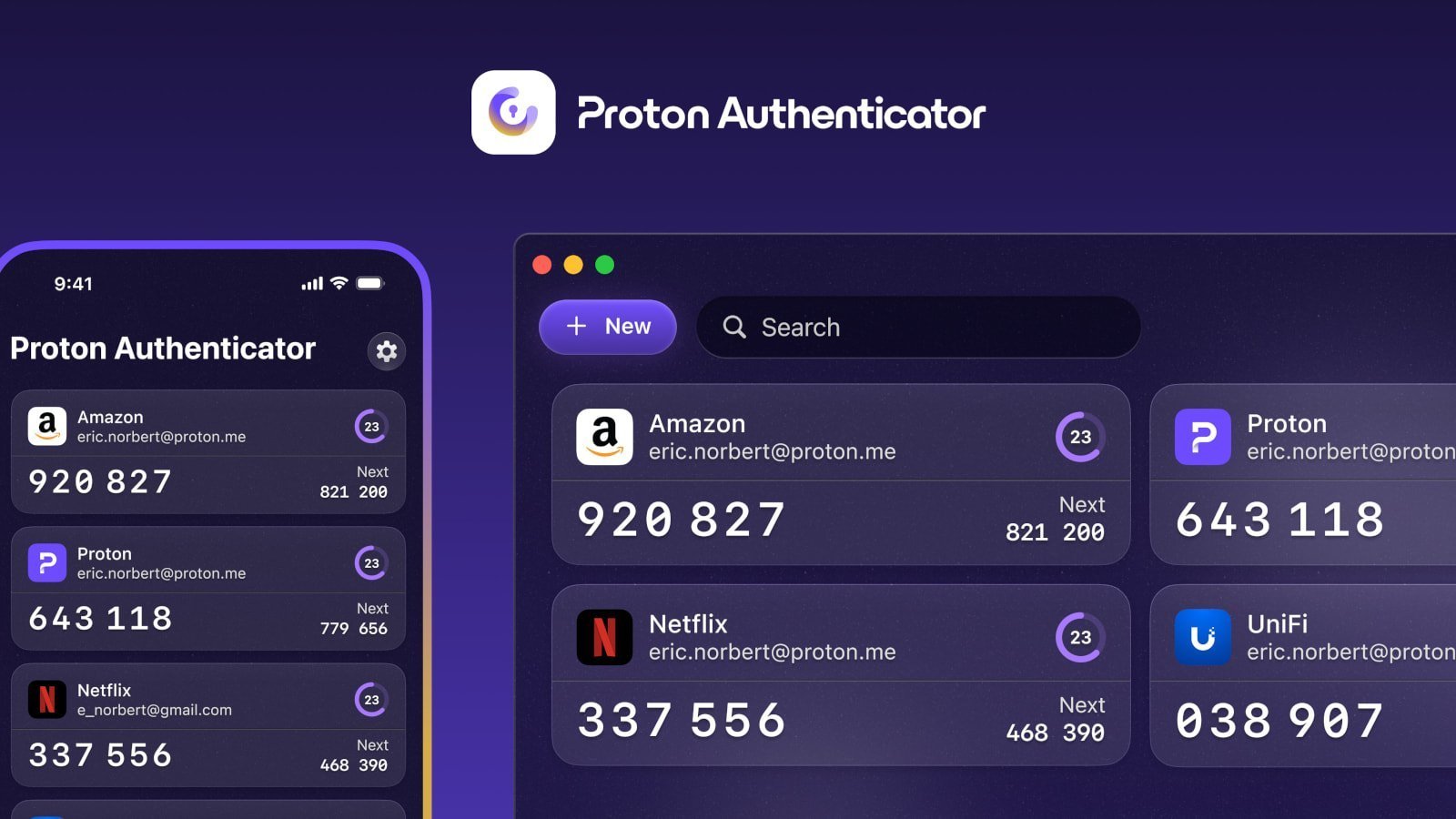
Why Proton Authenticator Matters: Solving 2FA's Silent Flaws
Two-factor authentication (2FA) apps generate time-based one-time passwords (TOTPs) that expire every 30 seconds, adding a critical layer of security beyond passwords. While they’re far superior to SMS or email-based 2FA—which are vulnerable to phishing, SIM swapping, and interception—existing solutions often compromise user privacy. As Proton’s announcement starkly puts it: "Big Tech's surveillance ecosystems" exploit authentication as a data-harvesting opportunity. Proton Authenticator flips this script by eliminating ads, trackers, and mandatory accounts. Instead, it builds on Proton’s core ethos of "privacy, transparency, and user-first security," offering a tool that’s not just functional but ethically aligned.
Under the Hood: Encryption, Portability, and Open-Source Assurance
Proton Authenticator’s standout features address long-standing user frustrations. Its end-to-end encryption ensures secure syncing across devices, while one-click import/export functions allow seamless migration from platforms like Microsoft Authenticator—a capability sorely lacking elsewhere. For instance, exporting TOTP seeds (the secret keys generating codes) prevents lock-in, letting users switch services without losing access. Automatic encrypted backups and app locking via biometrics or a PIN add further safeguards. Though the source code isn’t yet on GitHub (Proton typically releases it within weeks), the commitment to openness contrasts sharply with proprietary competitors.
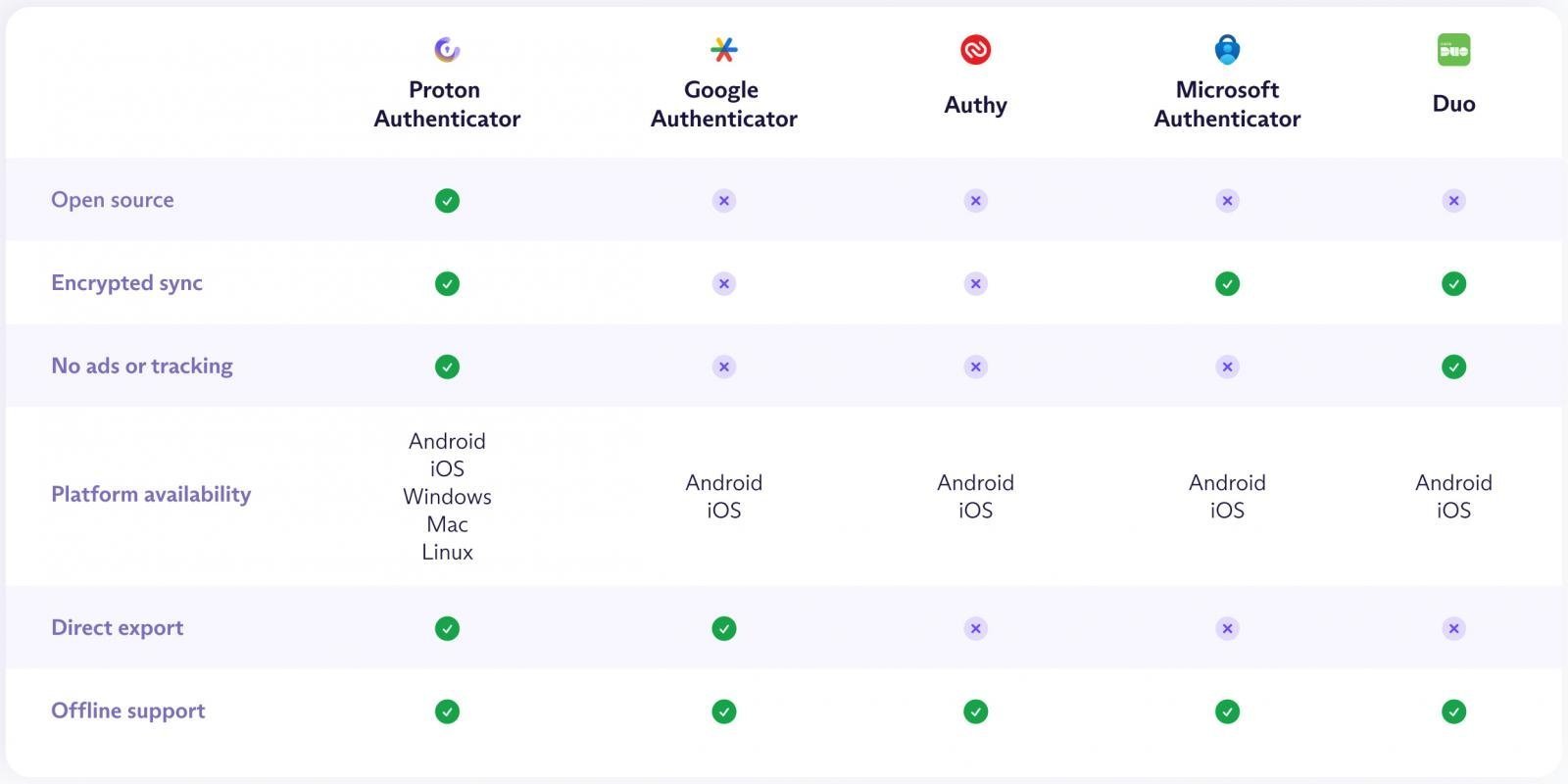
Comparison of Proton Authenticator vs. major rivals (Source: Proton)
The Bigger Picture: Elevating Security Standards
This launch isn’t just about convenience; it’s a strategic strike against surveillance-driven models. By making authentication portable and private, Proton reduces reliance on tech giants that monetize user data. Security experts have long advocated for authenticator apps due to their resilience against real-time attacks—TOTPs expire quickly, and codes are generated locally, thwarting interception. Proton’s entry amplifies this security while adding ethical rigor. As one analyst notes, "In a world of escalating cyber threats, tools that prioritize user control over profit aren’t just nice-to-haves—they’re essential."
For developers and tech leaders, Proton Authenticator represents more than a new app; it’s a call to rethink security foundations. Adopting privacy-centric tools can mitigate supply chain risks and foster trust in an increasingly fragmented digital landscape. So, if you haven’t embraced 2FA yet, let Proton’s move be your catalyst—it’s time to secure your accounts, on your terms.
Source: Adapted from original reporting by Bill Toulas at BleepingComputer.
Comments
Please log in or register to join the discussion