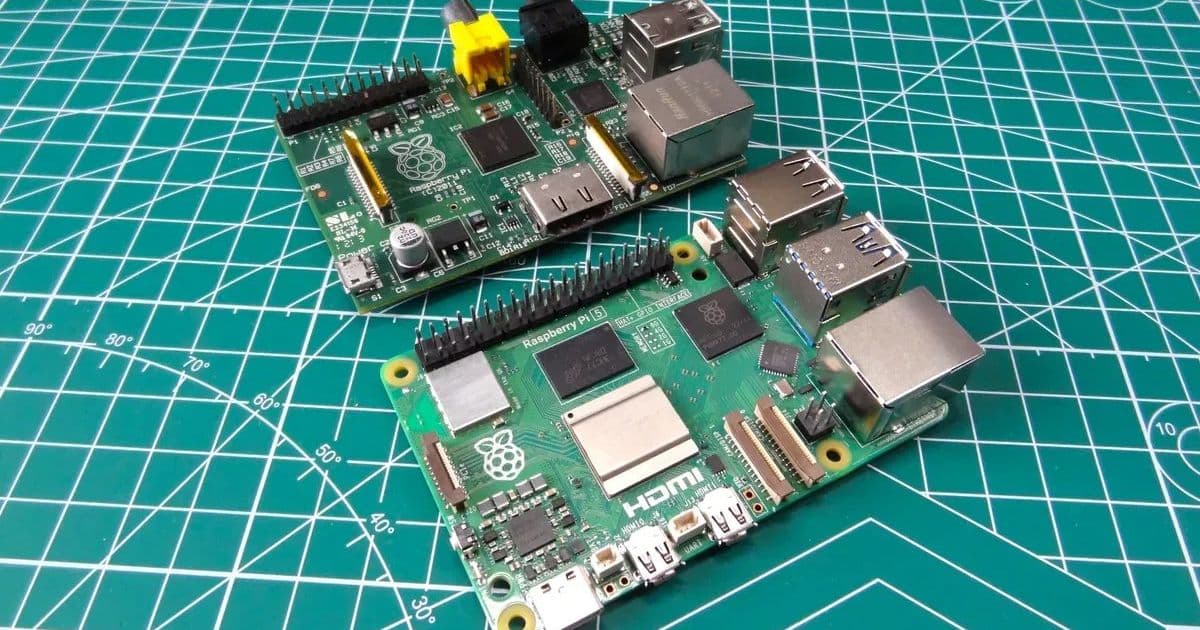
Raspberry Pi prices surge again, with 16GB models jumping 70% due to AI-driven LPDDR4 memory shortages, pushing the once-affordable SBC into premium territory.
The Raspberry Pi ecosystem has undergone a dramatic transformation in just three months, with prices surging across the board as artificial intelligence demand squeezes memory supplies. The Raspberry Pi 5 16GB model now costs $205, representing a staggering 70% increase from its original $120 MSRP and marking the second price hike in as many months.
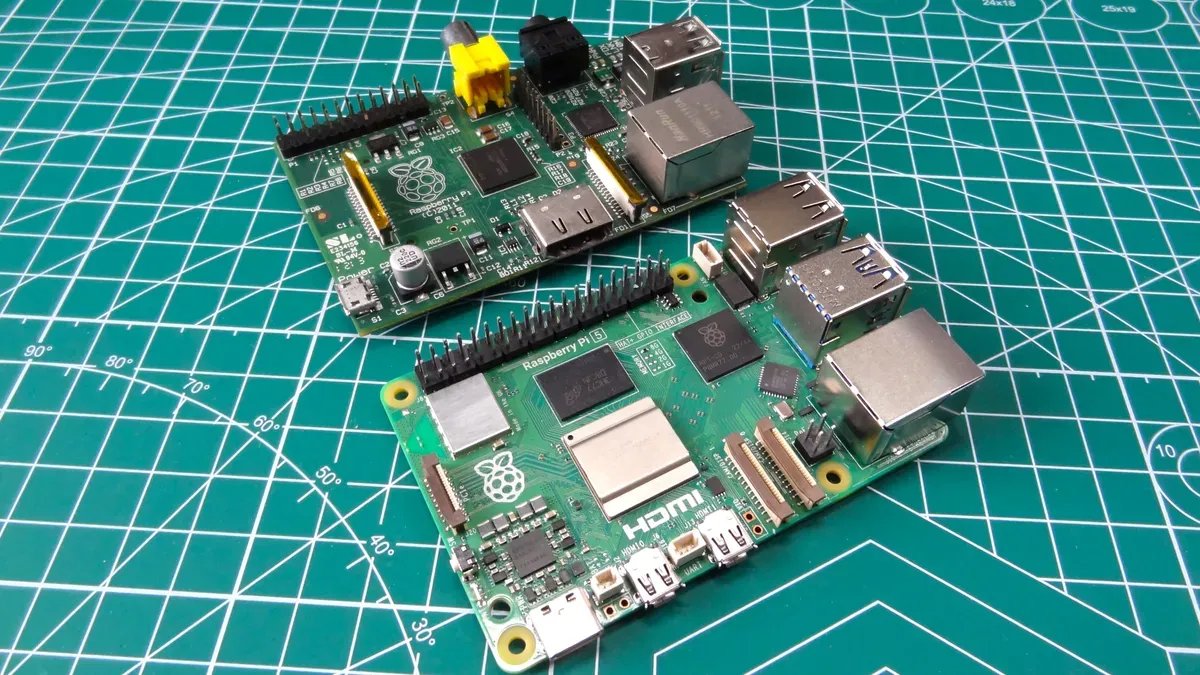
According to Raspberry Pi CEO Eben Upton's official blog post, the culprit is clear: LPDDR4 memory prices have more than doubled over the past quarter. The memory chips that power these single-board computers are being diverted to more lucrative AI data infrastructure projects, leaving Raspberry Pi manufacturers scrambling to secure supply at dramatically higher costs.
The price increases affect every Raspberry Pi 5 and Pi 4 model with 2GB or more memory, with the 16GB variants seeing the steepest jumps of $60 per unit. The Raspberry Pi 500+ with 16GB of RAM has experienced the most dramatic transformation, jumping from $180 to $259 at MicroCenter - nearly an $80 increase that pushes it into premium territory.
Price Comparison: Raspberry Pi Models
| Model | February 2026 Price | December 2025 Price | Original Price |
|---|---|---|---|
| Raspberry Pi 5 1GB | No change | No change | $45 |
| Raspberry Pi 5 2GB | $65 | $55 | $50 |
| Raspberry Pi 5 4GB | $85 | $70 | $60 |
| Raspberry Pi 5 8GB | $125 | $95 | $80 |
| Raspberry Pi 5 16GB | $205 | $145 | $120 |
| Raspberry Pi 4 4GB | $75 | $60 | $55 |
| Raspberry Pi 4 8GB | $115 | $85 | $75 |
| Raspberry Pi 500 (8GB) | $119 | $99 | $90 |
| Raspberry Pi 500+ 16GB | $259 | $180 | $180 |
| Raspberry Pi 400 | No change | No change | $59 |
The 1GB Raspberry Pi 5 model remains unchanged at $45, serving as a lifeline to maintain the platform's tradition of affordability. However, this entry-level option sacrifices significant performance potential, making it less suitable for users seeking desktop replacement capabilities.
The AI Memory Crunch
The semiconductor industry is experiencing unprecedented demand for high-bandwidth memory solutions driven by AI workloads. Data centers require massive amounts of LPDDR4 and LPDDR5 memory to power AI accelerators, large language models, and machine learning inference workloads. This demand has created a supply squeeze that's rippling through consumer electronics markets.
Memory manufacturers are prioritizing AI infrastructure contracts over consumer electronics orders, as data center customers typically offer higher margins and longer-term commitments. The result is that single-board computer manufacturers like Raspberry Pi Trading are caught in the middle, forced to pass along these increased costs to maintain profitability.
Market Implications
The price increases fundamentally alter the Raspberry Pi value proposition. Once celebrated as a $35 entry point to computing, robotics, and electronics education, the platform now competes more directly with x86-based mini PCs. While the Arm architecture remains more power-efficient, x86 alternatives offer greater processing power and broader operating system compatibility.
For educational institutions and hobbyists who have relied on Raspberry Pi's predictable pricing, these increases create budget challenges. A classroom set of Raspberry Pi 5 16GB units that would have cost $1,200 in 2024 now approaches $2,050 - a 70% increase that could force difficult choices about technology investments.
Looking Ahead
Upton remains optimistic about the temporary nature of these increases, stating that Raspberry Pi Trading "looks forward to unwinding these price increases once it abates." However, the timeline for memory price normalization remains uncertain as AI infrastructure investments continue to accelerate globally.
The situation highlights the interconnected nature of modern technology supply chains, where AI advancements in data centers directly impact educational computing platforms. As memory manufacturers expand capacity to meet AI demand, the hope is that consumer electronics will once again benefit from economies of scale.
For now, the Raspberry Pi ecosystem faces a period of adjustment as users weigh the benefits of the platform's software ecosystem and community support against significantly higher costs. The $45 1GB model provides a bridge to maintain accessibility, but the days of ultra-low-cost, high-performance Raspberry Pi boards appear to be on hold until memory market conditions improve.
Comments
Please log in or register to join the discussion