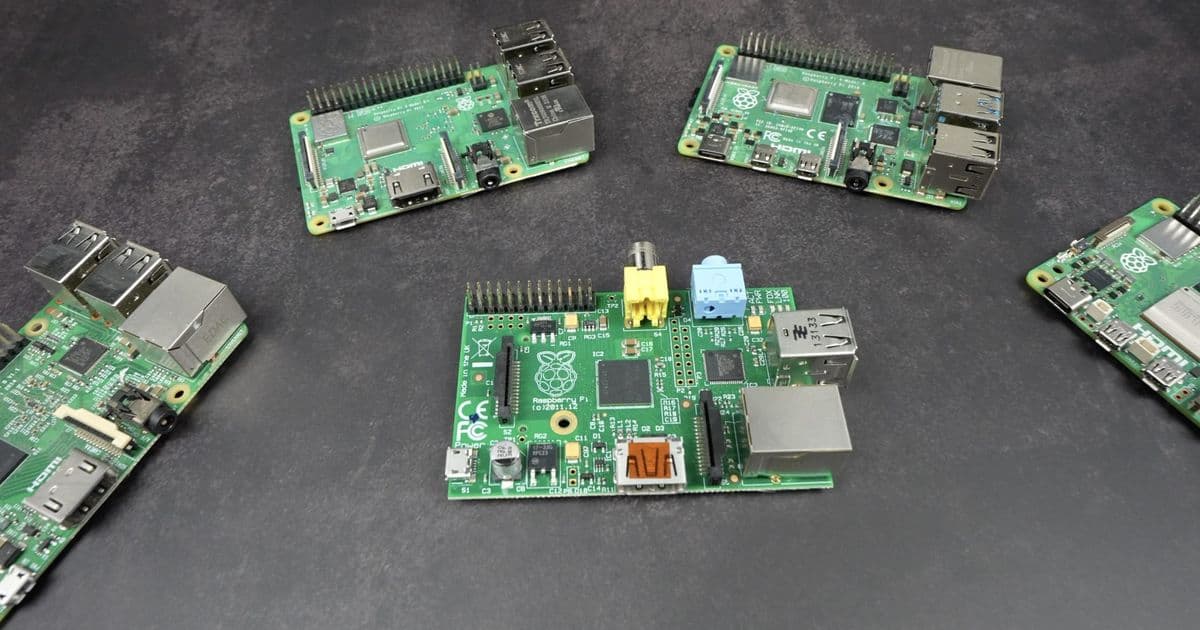
A comprehensive benchmark analysis reveals staggering performance improvements from Raspberry Pi 1 to Pi 5, but exposes nuanced tradeoffs in power efficiency and real-world application suitability.
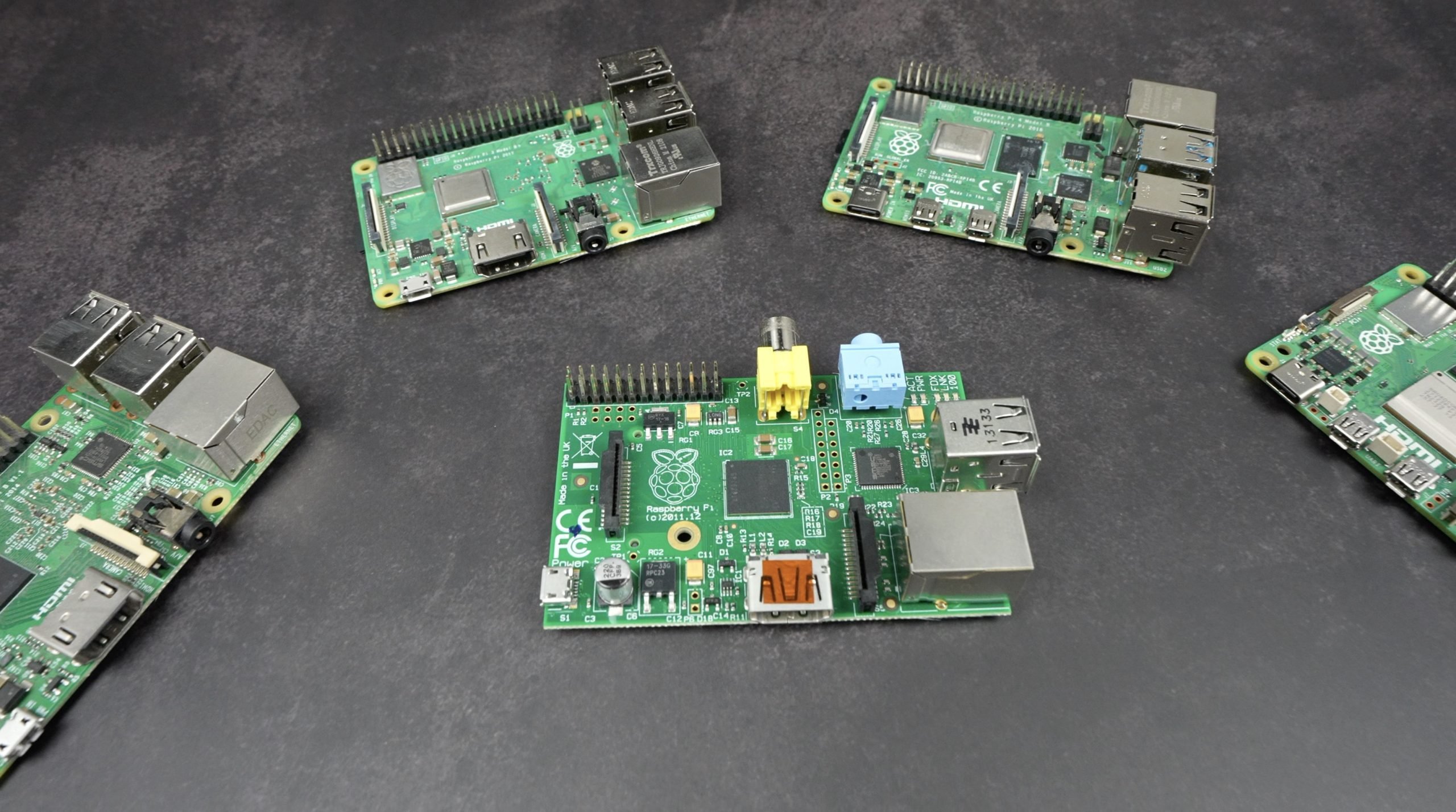
When the original Raspberry Pi Model B launched in 2012, it sparked a revolution in accessible computing. Twelve years later, the Pi 5 represents the pinnacle of this evolution—but how substantial are the actual gains across generations? Recent benchmark testing provides concrete answers while revealing unexpected compromises.
Performance testing methodology standardized workloads across all models: Python script execution, video transcoding via FFmpeg, NEON instruction processing, and GPIO toggle speed. The Raspberry Pi 5 (official specs) dominates with its quad-core Cortex-A76 CPU, completing tasks 40-100x faster than the original Pi 1's single-core ARM11 processor. Even compared to the Pi 4, the Pi 5 shows 2-3x improvements in CPU-bound tasks thanks to architectural upgrades and higher clock speeds.
Raw benchmark numbers tell only part of the story. The Pi 3 introduced 64-bit processing and wireless connectivity, while the Pi 4's USB 3.0 and dual-display support enabled desktop replacement scenarios. The Pi 5's PCIe 2.0 interface (technical documentation) unlocks NVMe SSD speeds previously impossible in the ecosystem. However, this power comes with thermal consequences: Under sustained load, the Pi 5 consumes 12W versus the Pi 1's 3W—a 300% increase requiring active cooling solutions absent in earlier models.
Counterintuitively, older Pis maintain relevance despite their performance deficits. The Pi Zero 2W (product page) delivers Pi 3-level performance at 1/3 the power draw of Pi 5, making it ideal for embedded sensors. Meanwhile, industrial applications still deploy Pi 1 boards for simple control tasks where reliability outweighs speed needs. Community developers note that software optimization plays an equally crucial role; a well-tuned Pi 3 application can outperform inefficient code on Pi 5 hardware.
The benchmark progression reveals architectural inflection points. The jump from Pi 1 to Pi 2 (introducing quad-core) delivered 6x gains, while Pi 3 to Pi 4 saw modest 30-50% improvements. Pi 5's performance leap comes at a cost premium—its $60 base price is triple the Pi 1's launch cost. This pricing evolution shifts the platform's positioning from ultra-budget experimentation toward legitimate desktop replacement territory.
For makers selecting hardware, the choice now hinges on workload specificity rather than raw speed. Computer vision projects benefit enormously from Pi 5's video processing enhancements, while environmental monitoring systems gain little from the upgrade. The community's hardware diversity ultimately strengthens the ecosystem, preserving older models' utility while pushing boundaries with new capabilities. Future developments may focus on efficiency rather than pure throughput, addressing thermal constraints that have emerged alongside performance gains.
Benchmark results are available in interactive format at the Raspberry Pi Performance Database, maintained by community contributors. This ongoing tracking provides clearer evolutionary context than isolated generational comparisons.
Comments
Please log in or register to join the discussion