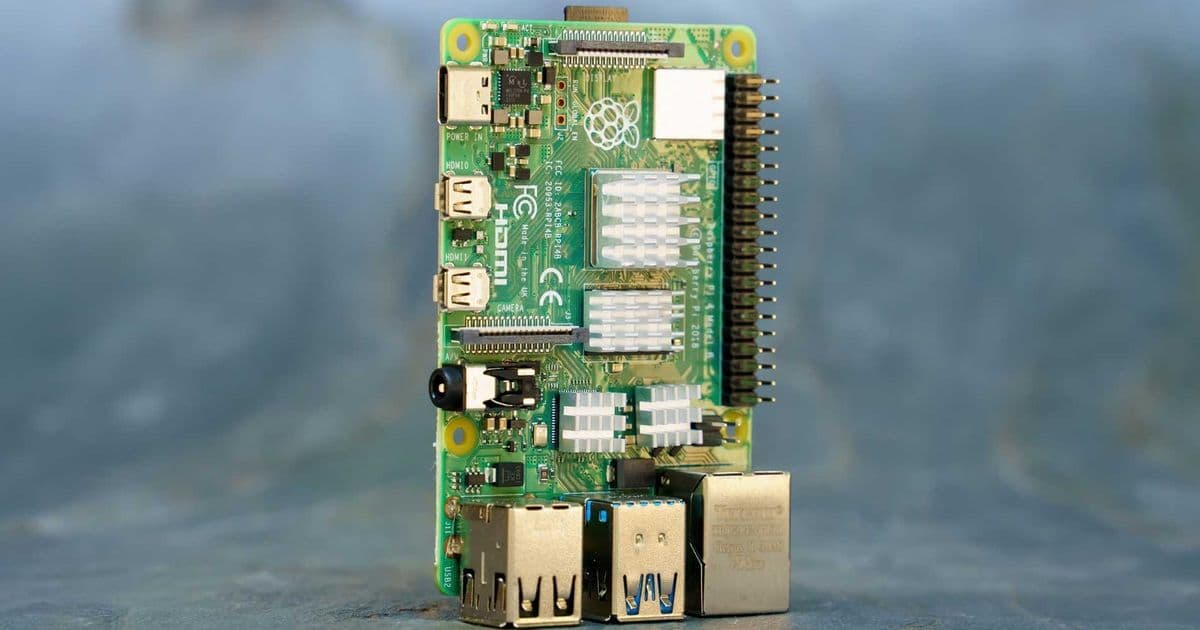
The Raspberry Pi Foundation has announced significant price increases across its product line, with some models jumping by as much as $60 due to rising LPDDR4 memory costs driven by AI infrastructure demand.
The Raspberry Pi Foundation has announced another round of price increases across its popular single-board computer lineup, with some models seeing costs jump by as much as $60. This marks the second price hike in just two months, as the company grapples with escalating memory costs that are affecting the entire tech industry.
Memory Shortage Drives Price Increases
The latest price adjustments affect most hardware built on the Raspberry Pi 4 and 5 platforms, including the CM4 and CM5 compute modules, as well as the Raspberry Pi 500 and Raspberry Pi 500+ keyboard PCs. The increases range from $10 to $60, depending on the memory configuration of each device.
According to the company, the price adjustments are necessary due to the continued rise in LPDDR4 memory prices. This shortage has been driven by intense competition for manufacturing capacity from the AI infrastructure roll-out, as datacenters and hyperscalers scramble to secure memory for their expanding operations.
New Pricing Structure
Here's how the new prices break down for the Raspberry Pi 5 lineup:
- Raspberry Pi 5 (2 GB): $65 (up $10)
- Raspberry Pi 5 (4 GB): $85 (up $15)
- Raspberry Pi 5 (8 GB): $125 (up $30)
- Raspberry Pi 5 (16 GB): $205 (up $60)
The Raspberry Pi 500+ keyboard PC will now cost $260, while the standard Raspberry Pi 500 will be priced at $130.
For the Raspberry Pi 4 line, the changes are as follows:
- Raspberry Pi 4 (2 GB): $55 (up $10)
- Raspberry Pi 4 (4 GB): $75 (up $15)
- Raspberry Pi 4 (8 GB): $115 (up $30)
Models That Escape the Price Hike
Fortunately, not all Raspberry Pi products are affected by these increases. The company has decided to maintain current prices for several models:
- Raspberry Pi 4 (1 GB): Remains at $35
- Raspberry Pi 5 (1 GB): Remains at $45
- Raspberry Pi Zero series: Prices unchanged
- Raspberry Pi 3 series: Prices unchanged
- Raspberry Pi 400: Remains at $60 (4 GB RAM)
Industry-Wide Memory Crisis
The Raspberry Pi Foundation's price increases reflect a broader crisis in the memory market. In January, analysts at TrendForce predicted that DRAM contract prices could rise by as much as 60 percent this quarter. However, the firm has since revised that forecast upward, now expecting a 90 to 95 percent increase instead.
This dramatic price surge is primarily driven by increased datacenter demand. Memory manufacturers are shifting their focus toward selling high-margin HBM (high-bandwidth memory) to hyperscalers, who are building out AI infrastructure at an unprecedented pace. Additionally, the demand for regular DRAM has been affected as rack systems require substantial amounts of memory as well.
As an example of the scale of AI infrastructure requirements, Nvidia's upcoming Vera Rubin NVL72 system will require a staggering 54 TB of LPDDR5X memory.
Impact on the Maker Community
These price increases come at a challenging time for the maker community, educational institutions, and hobbyists who rely on Raspberry Pi devices for projects ranging from home automation to robotics and AI experimentation. The foundation's decision to maintain prices on the 1 GB models provides some relief, but many users will find themselves paying significantly more for higher-memory configurations.
The timing is particularly notable given that the Raspberry Pi 500+ was only released in September 2024, and its price has already increased by $10 in this latest round of adjustments.
Looking Ahead
With memory prices continuing to climb and no immediate relief in sight, it's possible that Raspberry Pi may need to implement additional price adjustments in the coming months. The foundation has historically worked to keep its products as affordable as possible, but the current market conditions are making that increasingly difficult.
For now, customers looking to purchase Raspberry Pi devices may want to consider the 1 GB models if they can meet their needs, as these represent the best value in the current pricing landscape. Those requiring more memory will need to budget for the higher costs or explore alternative single-board computer options that may be less affected by the memory shortage.
The Raspberry Pi Foundation has not indicated when prices might stabilize, but industry analysts suggest that the memory shortage could persist throughout 2026 as AI infrastructure continues to expand globally.
Comments
Please log in or register to join the discussion