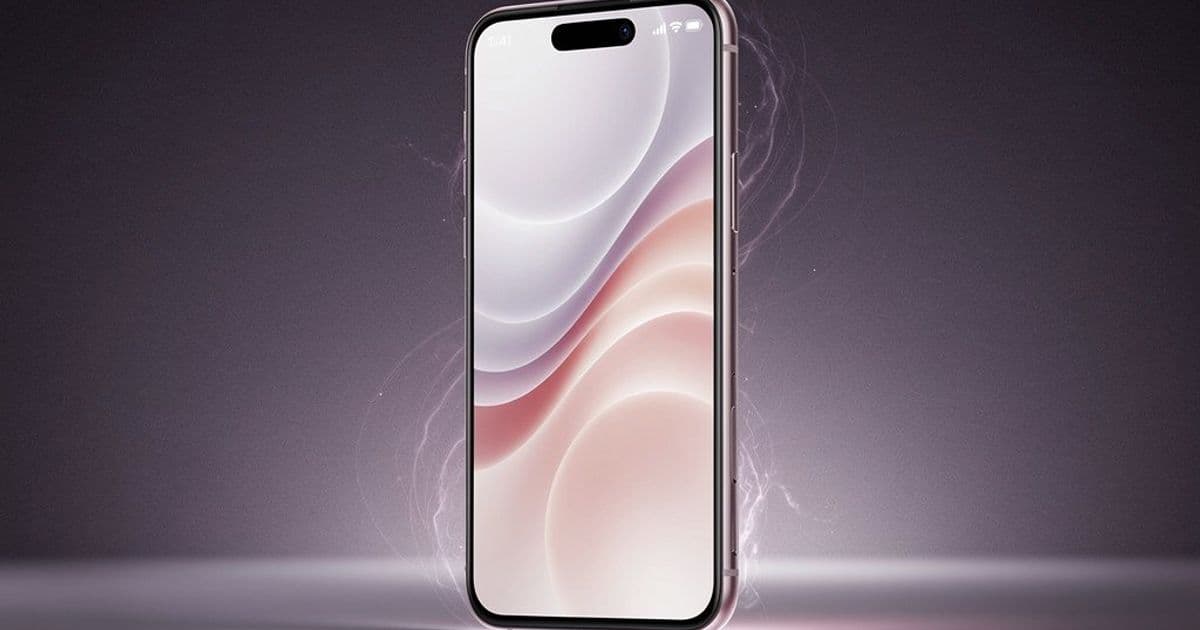
A TENAA listing reveals the Realme Neo8's full specifications, including a massive 8,000mAh battery, Samsung's latest M14 OLED panel, and the unannounced Snapdragon 8 Gen 5 chipset, positioning it as a high-end contender in the Chinese market.
The Realme Neo8 has appeared on China's TENAA certification database, giving us our most complete look yet at the company's upcoming upper-mid-range flagship. The listing confirms several key specifications that suggest Realme is targeting users who prioritize battery life and display quality above all else.

Display and Panel Technology
The Neo8 features a 6.78-inch flat AMOLED display with a 2772 x 1272 pixel resolution and a 165Hz refresh rate. What makes this particularly interesting is Realme's confirmation that it uses Samsung's M14 OLED material—Samsung Display's most advanced mobile OLED panel to date.
The M14 panel represents a generational leap over the M13 material used in most current phones. According to Samsung's own materials, M14 offers approximately 20% higher efficiency and can achieve peak brightness levels that were previously impossible in mobile form factors. Realme claims the Neo8's display reaches 1,000 nits of manual brightness (the maximum brightness you can manually set) and an impressive 6,500 nits of local peak brightness (for HDR content and brief highlights).
To put this in perspective, the iPhone 15 Pro Max reaches around 2,000 nits of peak brightness. While the Neo8's 6,500 nits figure likely applies to very small areas of the screen for extremely short durations, it still indicates a panel capable of exceptional brightness and contrast.
The display also houses a 16MP front-facing camera and integrates an ultrasonic fingerprint scanner beneath the panel. Ultrasonic scanners are generally faster and more reliable than optical sensors, especially when your fingers are wet or dirty.
Performance Hardware
The TENAA listing confirms the Neo8 uses the "non-Elite" version of Qualcomm's upcoming Snapdragon 8 Gen 5 chipset. Qualcomm typically releases two variants of its flagship chips: a standard version and an "Elite" model with higher clock speeds and sometimes additional GPU cores. The non-Elite chip should still deliver flagship-level performance for most tasks while potentially offering better thermal efficiency.
Realme is pairing this chipset with up to 24GB of RAM and 1TB of storage. The 24GB RAM configuration is particularly noteworthy—most flagship phones top out at 12GB or 16GB. This massive memory allocation suggests Realme is targeting power users who keep dozens of apps open, use demanding creative tools, or want future-proofing for upcoming Android versions.
Camera System
The camera setup follows a practical triple-camera configuration:
- 50MP main sensor (likely a Sony IMX890 or similar flagship-grade sensor)
- 50MP periscope telephoto with 3.5x optical zoom
- 8MP ultrawide lens
The inclusion of a dedicated periscope telephoto at this price point is significant. Most mid-range phones skip optical zoom entirely, relying on digital cropping. A 3.5x optical zoom provides genuine lossless zoom capability, making it far superior for portraits, distant subjects, and detail capture.
Battery and Charging
Perhaps the most impressive specification is the 8,000mAh battery. This is substantially larger than most current phones—the Samsung Galaxy S24 Ultra has a 5,000mAh battery, and even large gaming phones typically max out around 6,000mAh.
An 8,000mAh battery combined with the efficiency gains from the M14 OLED panel and the 4nm-class Snapdragon 8 Gen 5 could deliver exceptional battery life. Real-world usage should easily exceed two days for moderate users.
The phone supports 80W wired charging, which Realme claims can charge the battery from 0 to 100% in approximately 35-40 minutes. While not the absolute fastest charging available (some phones support 150W+), it's a reasonable trade-off for such a large battery capacity.

Build and Software
The device measures 162 x 77.07 x 8.3mm and weighs 215 grams. The weight is substantial but understandable given the battery capacity. For comparison, the iPhone 15 Pro Max weighs 221 grams with a much smaller 4,422mAh battery.
The Neo8 carries IP68/69 ingress protection. IP68 means dust-tight construction and submersion in water (typically 1.5 meters for 30 minutes), while IP69 adds protection against high-pressure, high-temperature water jets. This is a robust rating that exceeds what many competitors offer in this segment.
The phone boots Android 16 with Realme UI 7 on top. Android 16 is expected to launch in late 2025, so this suggests a 2026 release timeline for the Neo8.
Market Position and Ecosystem Considerations
The Neo8 appears positioned to compete directly with phones like the OnePlus Ace 3, Redmi K70 series, and iQOO Neo 9 in the Chinese market. The combination of a flagship-tier Samsung display, large battery, and telephoto camera at what should be a mid-range price point creates a compelling value proposition.
However, potential buyers outside China should note that Realme's global availability can be inconsistent. The Neo8 may launch as a China-exclusive or arrive months later in international markets with different specifications. Realme's software update commitment has also been variable across regions—while Chinese models often receive major Android updates, the frequency and duration of security patches can differ.
The use of Realme UI 7 means users will face Realme's custom Android skin, which includes features like Smart Sidebar, FlexDrop floating windows, and various customization options. Some users prefer stock Android, but Realme UI has improved significantly in recent versions and offers genuine utility features.
What This Means for Buyers
If the TENAA specifications hold true, the Realme Neo8 represents an interesting shift in the mid-range market. For years, mid-range phones made compromises on display quality, camera capabilities, and battery size. The Neo8 suggests manufacturers can now deliver flagship-level features in more affordable packages.
The 8,000mAh battery specifically addresses a common pain point—battery anxiety. Even with heavy use, most users should comfortably get through a full day. Combined with the efficient M14 OLED panel, this could be one of the longest-lasting phones available.
The Snapdragon 8 Gen 5, while not the absolute top-tier Elite variant, should still provide more than enough performance for gaming, multitasking, and demanding applications for the next 2-3 years.
Realme hasn't announced official pricing yet, but if they can keep the Neo8 in the 2,500-3,500 yuan ($350-500) range, it will put significant pressure on competitors and offer consumers a compelling alternative to spending $800+ on a flagship phone.
The TENAA listing is typically one of the final steps before a device launch in China, so we expect Realme to officially announce the Neo8 within the next few weeks. Global availability and pricing will likely be revealed at a later date.
Comments
Please log in or register to join the discussion