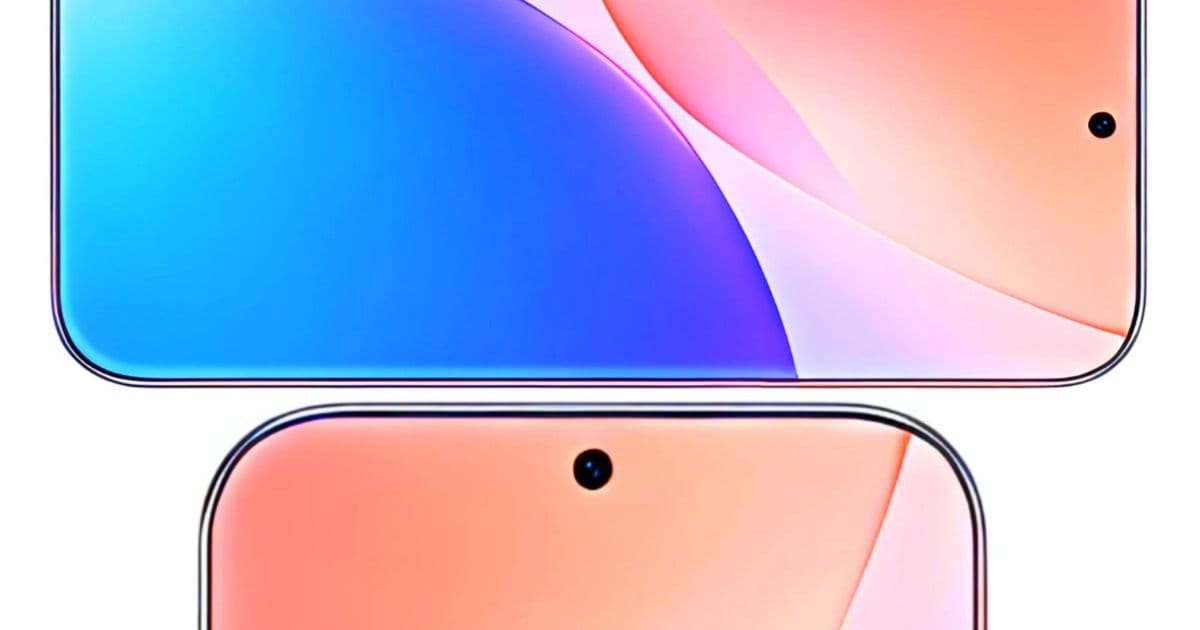
Industry leaks reveal Apple is testing a revolutionary 'quad-curved' display for its upcoming iPhone 20, potentially marking the 20th-anniversary model with a borderless design that curves over all four edges. As Android manufacturers race to implement similar innovations, we analyze the technology, implications, and competitive landscape.
What's New: The Quad-Curved Revolution
The smartphone display landscape appears to be on the brink of its most significant transformation since the introduction of OLED technology. According to reputable tech tipsters, Apple is currently testing next-generation smartphone screens that could redefine how we interact with our devices. The most anticipated of these is a 'quad-curved' display design that would curve elegantly over all four edges of the device, creating a visually borderless experience unlike anything currently available in the market.
This design is widely speculated to be destined for either the iPhone 19 Pro or the highly anticipated 20th-anniversary iPhone 20/XX, which would mark two decades of Apple's smartphone innovation. The 'quad-curved' approach represents a significant evolution from the current 'edge-to-edge' displays that only curve on the sides. By extending the curvature to all four edges, Apple aims to eliminate virtually all bezels while maintaining structural integrity and durability.
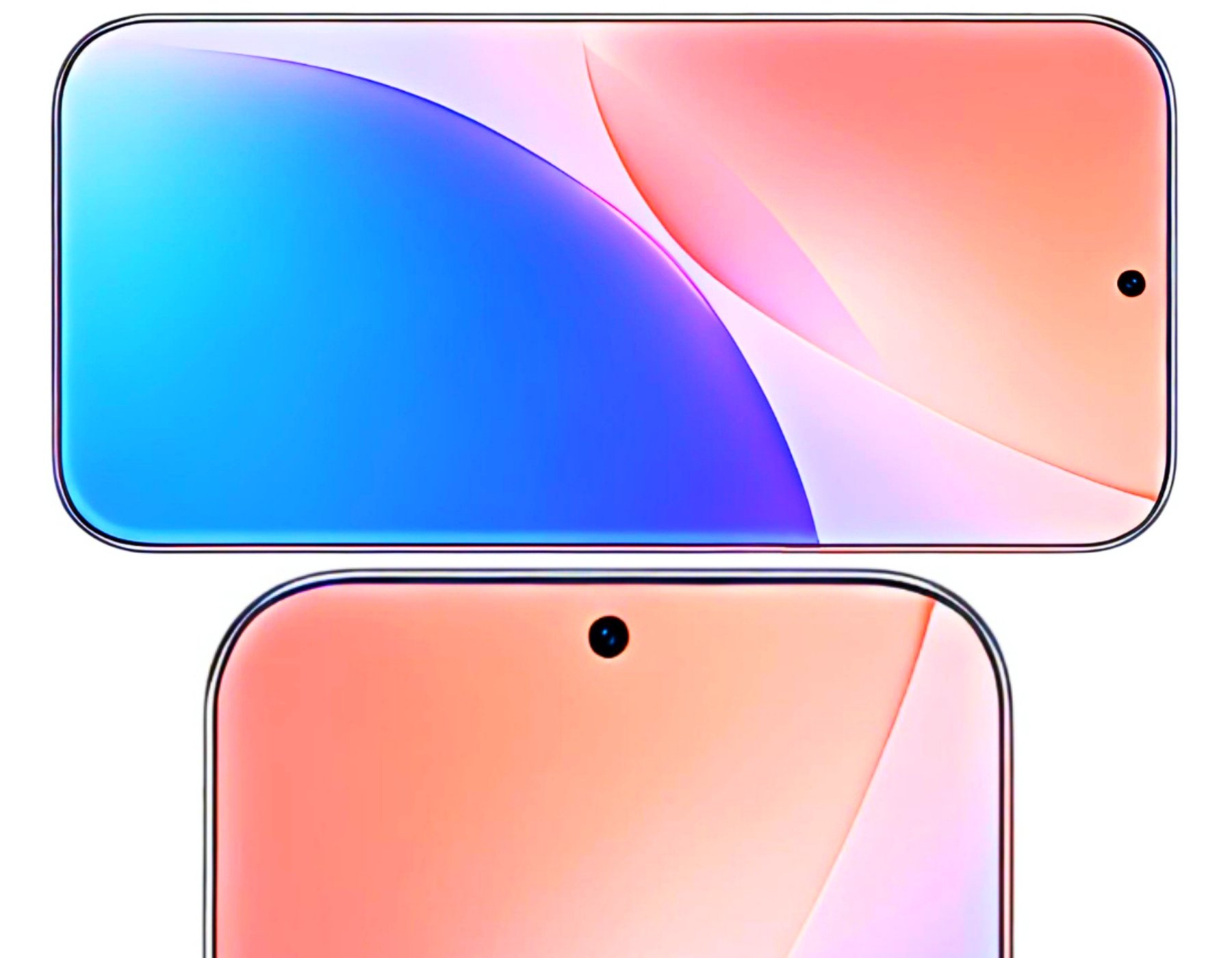
The technology behind this innovation remains complex. Unlike simple curved displays that have been experimented with in the past, a true quad-curved display requires advanced glass bending techniques, sophisticated touch sensitivity across curved surfaces, and innovative solutions for edge display content. Industry sources suggest Apple has been working on this technology for at least two years, with the recent prototype testing indicating the company is confident in moving forward with production.
How It Compares: Evolution vs. Revolution
When compared to current iPhone models, the quad-curved display represents a dramatic departure from Apple's design philosophy. The iPhone 15 Pro Max, for example, features a relatively flat display with minimal bezels but maintains traditional flat glass on the front. The iPhone 14 Pro introduced the Dynamic Island, which cleverly repurposed the camera cutout as an interactive element, but the display itself remained largely conventional.
In contrast, the quad-curved iPhone would eliminate the need for such compromises by creating a truly seamless viewing experience. The display would curve not only on the sides (as seen in some Android models) but also at the top and bottom, creating a continuous glass surface that appears to float above the device's chassis.
Compared to Android implementations, Apple's approach appears more ambitious. Current curved-display Android phones, such as the Samsung Galaxy S23 Ultra or Xiaomi's Mix series, typically feature curves only on the sides, with flat sections at the top and bottom where bezels remain necessary. The quad-curved design would eliminate these remaining bezels entirely.
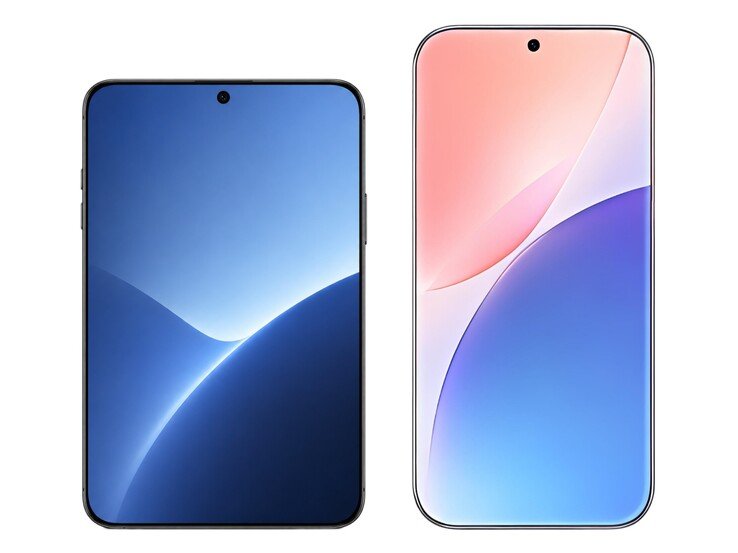
The rumored Huawei 2027 flagship is said to feature an advanced display that stretches to the edges, potentially with a wider aspect ratio than traditional smartphones. This suggests Android manufacturers are also pushing boundaries, though perhaps in different directions than Apple's quad-curved approach.
Xiaomi's rumored 0.35mm bezel thickness on its upcoming flagship would represent a significant improvement over current bezel measurements (typically 1-2mm on premium devices), but still falls short of Apple's potentially bezel-less vision.
The Technology Behind the Curve
Implementing a quad-curved display requires overcoming several technical challenges. First, the glass itself must be bent in four directions without compromising structural integrity. Apple has reportedly invested heavily in developing specialized glass-bending techniques that maintain durability while achieving the desired curvature.
Second, the display technology must function properly across curved surfaces. Current OLED and LCD technologies can experience color shifts, brightness inconsistencies, and touch sensitivity issues when bent. Apple's solution likely involves advanced pixel compensation algorithms and redesigned touch controllers that account for the curved geometry.
Third, the device's internal components must be reconfigured to accommodate the new display shape. This includes the placement of cameras, sensors, and other front-facing elements that would traditionally be housed in bezels. Apple's rumored implementation may involve under-display camera technology (which the company has been testing for several years) and innovative sensor placement within the curved areas.
The trade-offs of such a design are significant. Curved displays are more prone to accidental touches, can be more difficult to apply screen protectors to, and may reduce the effective viewing area due to the need to compensate for distortion. However, the potential aesthetic and experiential benefits appear to outweigh these drawbacks for Apple's design team.
Who It's For: The Premium Market and Beyond
The quad-curved iPhone would likely debut in Apple's Pro or Ultra tier models, given the complexity and cost of implementing such technology. This positions it as a premium offering for early adopters and technology enthusiasts willing to pay a premium for cutting-edge design.
For consumers, the primary benefits would be:
- A more immersive viewing experience with minimal distractions
- A more futuristic aesthetic that differentiates from current smartphones
- Potential improvements in ergonomics, as the curved edges may make the device more comfortable to hold
- Enhanced durability through the elimination of vulnerable bezel components
For professionals, the borderless display could offer more screen real estate for productivity applications, while the curved edges might facilitate new interaction paradigms for creative professionals and developers.
The Android competitive response suggests that this design direction may become more widespread in the premium segment. If Apple implements the quad-curved display successfully, we can expect Android manufacturers to follow suit, potentially accelerating adoption across the industry.
Market Implications and Timeline
The timeline for this innovation appears to be 2027, with current prototype testing indicating Apple is on track for a potential release with the iPhone 20. This would coincide with the 20th anniversary of the original iPhone, making it a fitting celebration of Apple's smartphone journey.
Industry analysts suggest that Android manufacturers might beat Apple to the punch with similar designs, following a pattern where Android often pioneers new form factors and technologies before Apple refines and popularizes them. Huawei's rumored wider aspect ratio flagship could potentially launch before Apple's quad-curved iPhone, just as the company's foldable devices predated Apple's entry into that market.
The implications for the smartphone market could be significant. If Apple successfully implements a truly bezel-less design, it could trigger a new wave of innovation in display technology, potentially leading to:
- New standards for smartphone aesthetics and ergonomics
- Innovations in glass and display manufacturing
- Changes in how developers design apps for edge-to-edge displays
- Potential new markets for premium devices with distinctive form factors
As with all rumors and leaks, these details should be treated with caution. The smartphone industry is notorious for last-minute design changes and feature cancellations. However, the consistency of these reports across multiple sources suggests that Apple is indeed exploring this ambitious direction for its future flagship devices.
For consumers, the quad-curved iPhone represents the next evolution in smartphone design, potentially eliminating the last physical barriers between users and their content. Whether this vision becomes reality remains to be seen, but the testing of such prototypes indicates that the future of smartphone displays may be more curved and borderless than we ever imagined.
Comments
Please log in or register to join the discussion