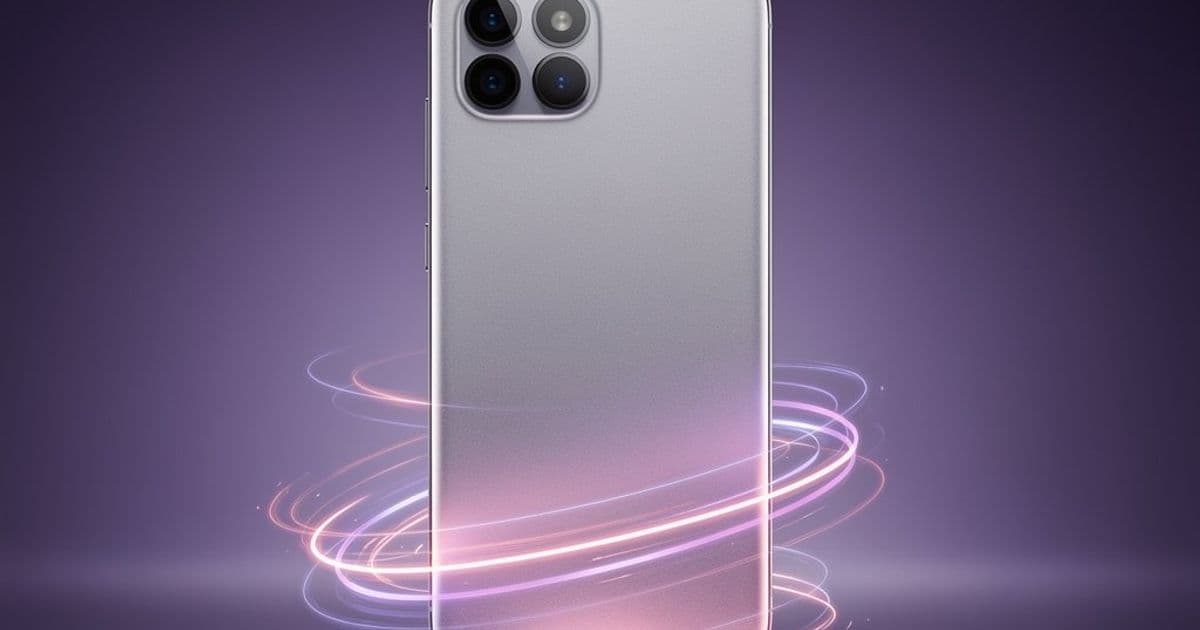
Redmi's upcoming Turbo 5 Max flagship is officially detailed with 100W PPS wired charging, a massive 9,000mAh battery, and a five-year warranty, positioning it as a endurance-focused powerhouse in the crowded Android market.
The Redmi Turbo 5 Max is shaping up to be a battery endurance champion, with official specifications now confirming a 9,000mAh battery, 100W wired charging, and a five-year battery warranty. These details, revealed ahead of its China launch, highlight Redmi's focus on addressing one of the most persistent consumer pain points: battery anxiety. The company is leveraging its partnership with Xiaomi to deliver a device that promises not just capacity, but sustained performance over years of use.
Charging and Battery Longevity: The Core Specifications
The Redmi Turbo 5 Max will support 100W PPS (Programmable Power Supply) wired charging. This is a significant detail because PPS is a more flexible standard than older proprietary protocols. It allows the charger to dynamically adjust voltage and current, which can lead to more efficient charging and better heat management. For context, PPS is part of the USB Power Delivery 3.1 specification, and its adoption means the phone can potentially use a wider range of compatible chargers beyond Redmi's own 100W brick. The inclusion of 27W reverse wired charging is a practical addition, allowing the phone to act as a power bank for other devices like earbuds or smartwatches.
The battery itself is a 9,000mAh cell. To put this in perspective, it's substantially larger than the typical 5,000-6,000mAh batteries found in most flagships. Redmi claims this battery can retain performance for up to 1,600 charge cycles. A standard lithium-ion battery is often rated for 500-800 cycles before significant capacity degradation (typically dropping to 80% of original capacity). By targeting 1,600 cycles, Redmi is promising a much longer usable lifespan. The company is backing this claim with a five-year battery warranty, a rare commitment in the smartphone industry that suggests high confidence in the battery's longevity.
A key feature for gamers and heavy users is bypass charging. When enabled, this mode allows the phone to draw power directly from the charger to the motherboard, bypassing the battery entirely during intensive tasks like gaming. This reduces heat generation and minimizes battery wear during long sessions, which is crucial for maintaining the battery's health over the promised 1,600 cycles.
Performance and Internal Testing
Under the hood, the Turbo 5 Max will be powered by the MediaTek Dimensity 9500s chipset. While details on this specific variant are still emerging, the Dimensity 9500 series is MediaTek's latest flagship platform, built on a 3nm process. It's designed to compete with Qualcomm's Snapdragon 8 Gen 4 and Apple's A18 Pro, focusing on high-performance CPU and GPU cores, along with an advanced NPU for AI tasks. The 's' suffix could indicate a slightly optimized or region-specific version for the Chinese market.
Redmi has shared intriguing internal test results, claiming the Turbo 5 Max outlasted a rival device with a larger 10,000mAh battery by 43 minutes in a comparative endurance test. This suggests that efficiency is a major focus. The Dimensity 9500s's 3nm process should contribute to better power efficiency, and Redmi's software optimization likely plays a significant role. This claim underscores that raw battery capacity isn't everything; the synergy between hardware and software is critical for real-world endurance.
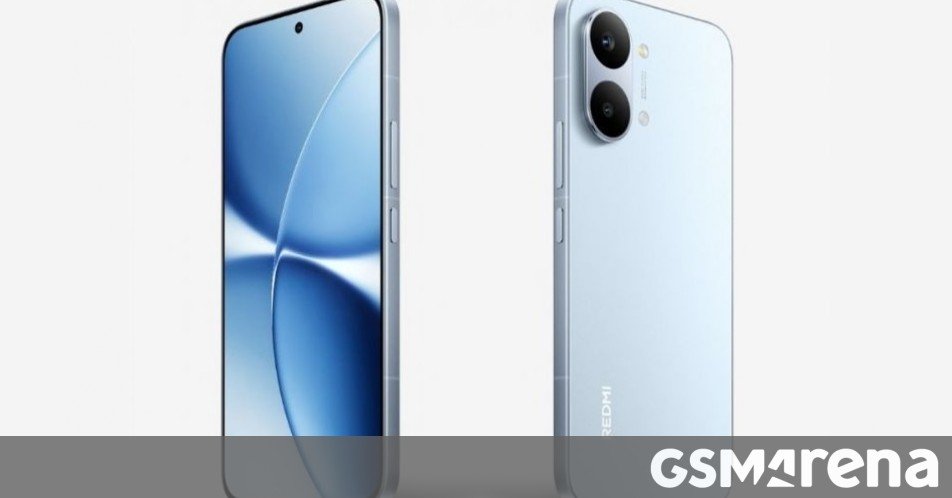
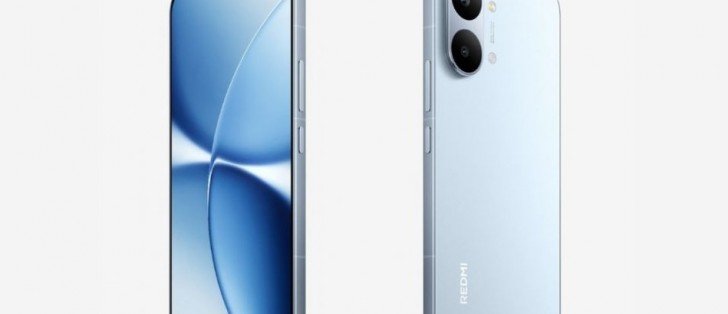
The camera system is noted as a dual-rear camera setup. While specific sensors aren't detailed, this configuration typically includes a primary wide-angle lens and an ultra-wide or telephoto lens. The focus on battery and charging suggests the camera might not be the primary selling point, but it should still be capable for daily photography.
Ecosystem and Market Context
The Redmi Turbo 5 Max is part of Xiaomi's broader strategy to segment its offerings. Redmi, as a sub-brand, often targets the performance and value segment, while Xiaomi's main line focuses on premium features. The Turbo series, in particular, is positioned for high-performance users, often gamers and power users who prioritize processing power and battery life over camera prowess.
The pre-orders are already live on the official Xiaomi China website, indicating a imminent launch. This move allows Xiaomi to gauge interest and secure sales before the official announcement, a common tactic in the competitive Chinese market.
For consumers, the key considerations are:
- Ecosystem Lock-in: As a Xiaomi/Redmi device, it will run HyperOS (based on Android), offering integration with other Xiaomi products like wearables, tablets, and smart home devices. The PPS charging standard also adds flexibility, reducing dependency on a single charger brand.
- Long-term Value: The five-year battery warranty is a strong value proposition, potentially saving users the cost and hassle of battery replacement down the line.
- Performance vs. Camera Trade-off: The dual-camera setup suggests a focus on core performance and battery life, which may appeal more to power users than photography enthusiasts.
The Redmi Turbo 5 Max represents a clear trend in the mobile industry: pushing the boundaries of battery technology and charging speeds while addressing long-term device sustainability. It's a direct response to consumer demand for devices that last longer, both in daily use and over the device's lifespan.
What This Means for the Market
Redmi's approach with the Turbo 5 Max is a calculated move. By focusing on battery endurance and warranty, it differentiates itself in a market saturated with similar-looking flagships. The 100W PPS charging is a practical choice, offering speed without locking users into a proprietary ecosystem. The Dimensity 9500s chipset ensures it remains competitive in raw performance.
For potential buyers, the decision will hinge on priorities. If you're a heavy user who values all-day battery life and long-term reliability over the absolute best camera system, the Turbo 5 Max is compelling. Its pre-order status means we can expect a full launch event soon, likely with pricing details that will determine its final market position.
The focus on a 9,000mAh battery and a five-year warranty is not just a spec sheet highlight; it's a statement about device longevity. In an era where phones are replaced less frequently, such features could become standard expectations. Redmi is betting that this will resonate with consumers looking for a dependable, long-lasting workhorse.
Looking Ahead
As the launch date approaches, more details about the display, camera sensors, and pricing will emerge. The Redmi Turbo 5 Max is poised to be a significant player in the high-performance Android segment, particularly in markets like China and India where battery life is a top concern for many users. Its success will depend on how well it balances its battery-focused features with other aspects of the user experience, from software to build quality.
For now, the specs paint a picture of a phone built for endurance. The combination of a massive battery, fast and flexible charging, and a long-term warranty creates a compelling package for users tired of daily charging and battery degradation worries. The Redmi Turbo 5 Max is a phone that promises to keep going, long after other devices have been retired.
Official Resources:
Comments
Please log in or register to join the discussion