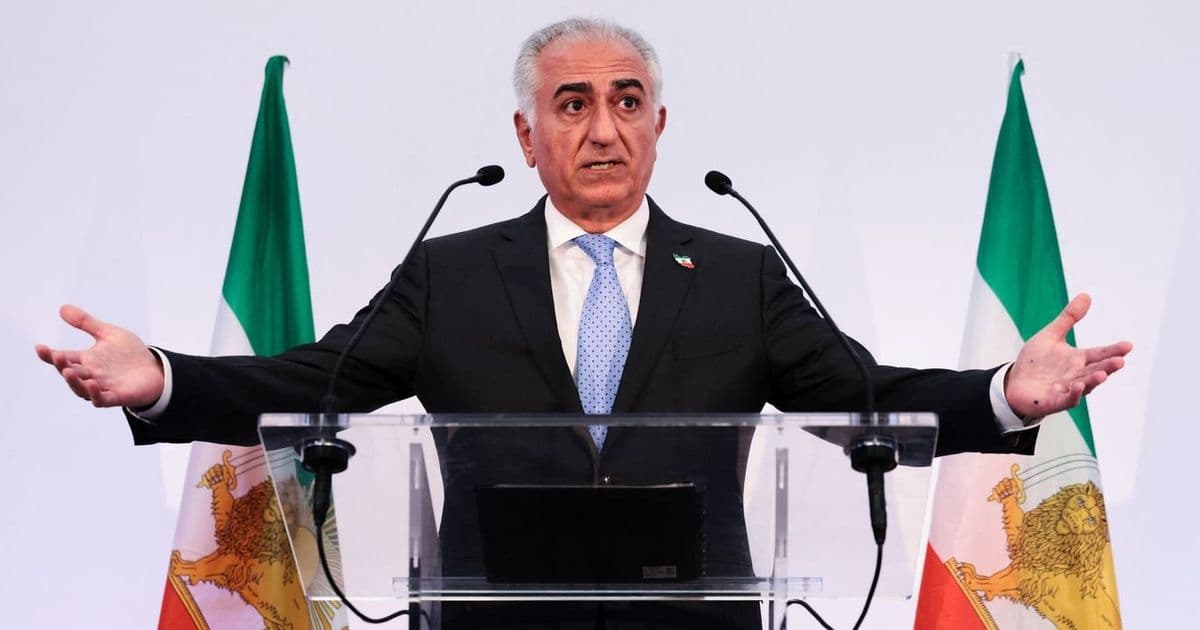
Reza Pahlavi, the exiled son of Iran's last shah, has emerged as a leading opposition figure calling for democratic reform in Iran, positioning himself as a potential successor to the current regime.
Iranian opposition leader Reza Pahlavi in Paris on June 23, 2025. Photo: Joel Saget/AFP/Getty Images
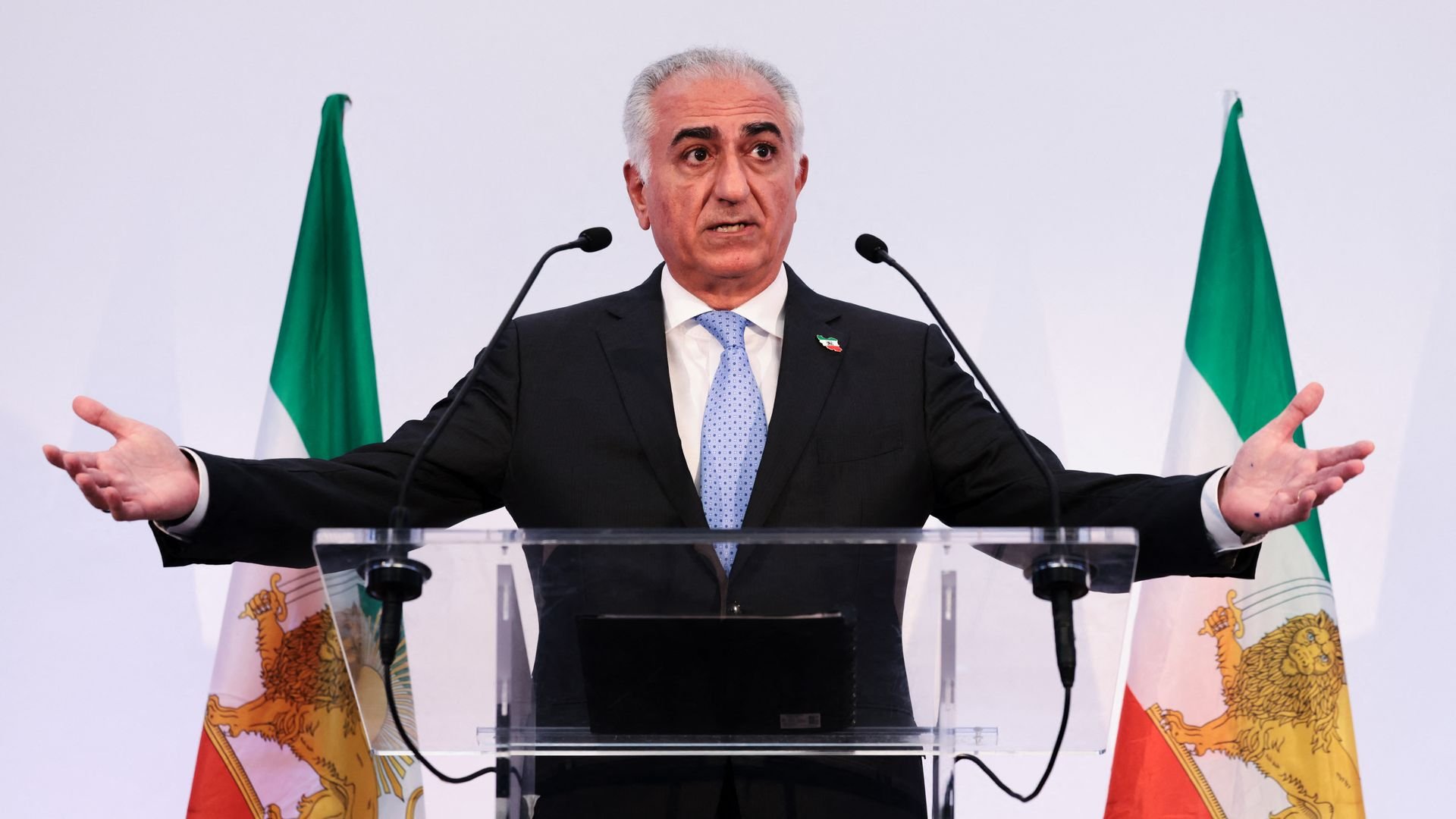
Reza Pahlavi, the exiled crown prince of Iran, has positioned himself as a prominent voice for democratic change in the Islamic Republic, advocating for a secular government that would replace the current theocratic regime.
The 64-year-old Pahlavi, son of the late Shah Mohammad Reza Pahlavi, has been living in exile in the United States since the 1979 Islamic Revolution that overthrew his father's monarchy. Despite decades away from Iran, he has maintained a significant following among Iranians both inside the country and in the diaspora.
Political stance and vision
Pahlavi advocates for a democratic, secular government in Iran that would respect human rights and individual freedoms. He has called for a referendum that would allow Iranians to choose their form of government, whether that be a constitutional monarchy, republic, or other system.
His platform emphasizes:
- Separation of religion and state
- Women's rights and equality
- Economic reform and reduced corruption
- Improved relations with Western nations
- Nuclear non-proliferation
Background and family legacy
Born in 1960 in Tehran, Pahlavi was the eldest son of Shah Mohammad Reza Pahlavi and Empress Farah. He was designated as heir apparent and received military training at the Imperial Iranian Air Force Academy.
Following the 1979 revolution, Pahlavi left Iran with his family and eventually settled in the United States. He has maintained a relatively low profile for decades but has become more vocal in recent years, particularly following the 2022 death of Mahsa Amini and the subsequent protests across Iran.
Current activities and influence
Based in Maryland, Pahlavi frequently speaks at international forums and maintains an active presence on social media, where he addresses both Iranian and international audiences. He has met with various political leaders and policymakers to discuss Iran's future.
While he lacks official political power, Pahlavi has become a symbolic figure for many Iranians who oppose the current regime but are divided on what should replace it. His calls for non-violent resistance and democratic reform have resonated with segments of the Iranian population, particularly younger Iranians.
Challenges and criticisms
Pahlavi faces several obstacles in his political aspirations:
- The current Iranian government considers him a threat and has denounced his activities
- He lacks direct political experience and has never held elected office
- Some Iranians view the monarchy negatively due to the Shah's authoritarian rule
- The Islamic Republic's security apparatus actively works to suppress opposition figures
Critics argue that Pahlavi's vision for Iran remains vague and that he has not articulated a clear path to achieving his goals. Others question whether a figure associated with the pre-revolutionary monarchy can effectively lead a modern democratic Iran.
International context
The Biden administration has maintained a cautious approach toward Iranian opposition figures, focusing on diplomatic engagement with the current regime while keeping channels open to various opposition voices. European governments have similarly balanced support for human rights with diplomatic relations with Tehran.
Pahlavi's advocacy has gained more attention amid ongoing tensions between Iran and Western nations over the country's nuclear program, regional activities, and human rights record. His calls for change align with broader international concerns about Iran's direction under its current leadership.
Future prospects
As Iran continues to face economic challenges, international isolation, and internal dissent, figures like Pahlavi represent one vision for the country's potential future. Whether he can translate his symbolic status into actual political influence remains uncertain, particularly given the Islamic Republic's tight control over Iranian politics.
The question of succession in Iran extends beyond Pahlavi to encompass broader debates about the country's political future, the role of religion in government, and Iran's place in the international community. As protests and dissent continue to emerge, the debate over Iran's leadership and governance structure shows no signs of abating.
Comments
Please log in or register to join the discussion