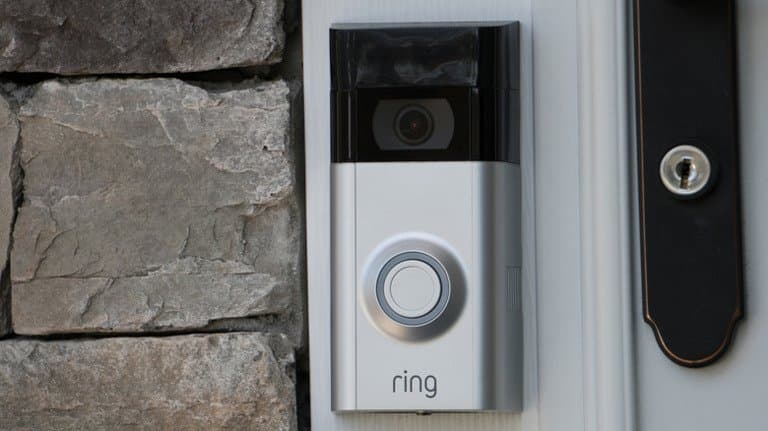
Amazon's Ring is facing a wave of returns as privacy concerns grow, with customers able to get partial refunds on their camera systems.
Ring, Amazon's popular smart home security camera brand, is experiencing a significant increase in product returns as privacy concerns continue to mount. The company, which has sold millions of doorbell cameras and security systems, is now offering partial refunds to customers who choose to return their devices.
Privacy Backlash Drives Returns
The surge in returns comes amid growing scrutiny of Ring's data collection practices and partnerships with law enforcement. Privacy advocates have long criticized the company for its extensive data harvesting and the potential for surveillance abuse. Recent reports about Ring's data sharing practices have intensified these concerns.
Customers are particularly worried about:
- Data collection and storage practices
- Third-party sharing agreements
- Law enforcement access to camera footage
- Facial recognition capabilities
- Data security vulnerabilities
Refund Amounts Vary by Model
Ring is offering different refund amounts depending on the specific camera model and purchase date. Here's what customers can expect to receive:
Ring Video Doorbell (1st and 2nd Gen): Up to $50 refund Ring Video Doorbell 3 and 3 Plus: Up to $75 refund Ring Stick Up Cam: Up to $60 refund Ring Floodlight Cam: Up to $100 refund Ring Indoor Cam: Up to $40 refund
These amounts represent partial refunds, not full purchase price returns. The exact amount depends on the condition of the device and how long ago it was purchased.
How to Return Your Ring Camera
Customers interested in returning their Ring devices should follow these steps:
- Visit the Ring support website and log into your account
- Navigate to the "Returns and Refunds" section
- Select the device you wish to return
- Follow the prompts to initiate the return process
- Package the device securely and ship it back using the provided label
Ring has stated that returns must be initiated within 30 days of the decision to return, and devices must be in good working condition to qualify for the maximum refund amount.
The Bigger Picture
This return trend reflects a broader shift in consumer attitudes toward smart home devices and data privacy. As awareness grows about digital surveillance and data collection practices, more consumers are reconsidering their smart home investments.
Industry analysts suggest this could signal a turning point for the smart home security market. "Consumers are becoming more privacy-conscious," notes tech analyst Sarah Chen. "They're weighing the security benefits against the privacy trade-offs, and for many, the balance is shifting."
What This Means for Amazon
For Amazon, which acquired Ring in 2018 for over $1 billion, this return wave represents both a financial and reputational challenge. The company has invested heavily in building Ring's market presence and integrating it with its broader smart home ecosystem, including Alexa.
However, Amazon has also been working to address privacy concerns. Recent changes include:
- Enhanced data encryption
- More transparent privacy policies
- Opt-in features for data sharing
- Improved user controls over footage access
Whether these measures will be enough to stem the tide of returns remains to be seen. What's clear is that privacy concerns are now a significant factor in consumer decisions about smart home security devices.
The situation with Ring returns highlights the growing importance of privacy considerations in the tech industry. As consumers become more aware of data collection practices, companies may need to prioritize transparency and user control to maintain customer trust.
For now, Ring owners considering a return have a limited window to take advantage of the partial refund offer. Those who decide to keep their devices should review their privacy settings and understand how their data is being used and protected.
Comments
Please log in or register to join the discussion