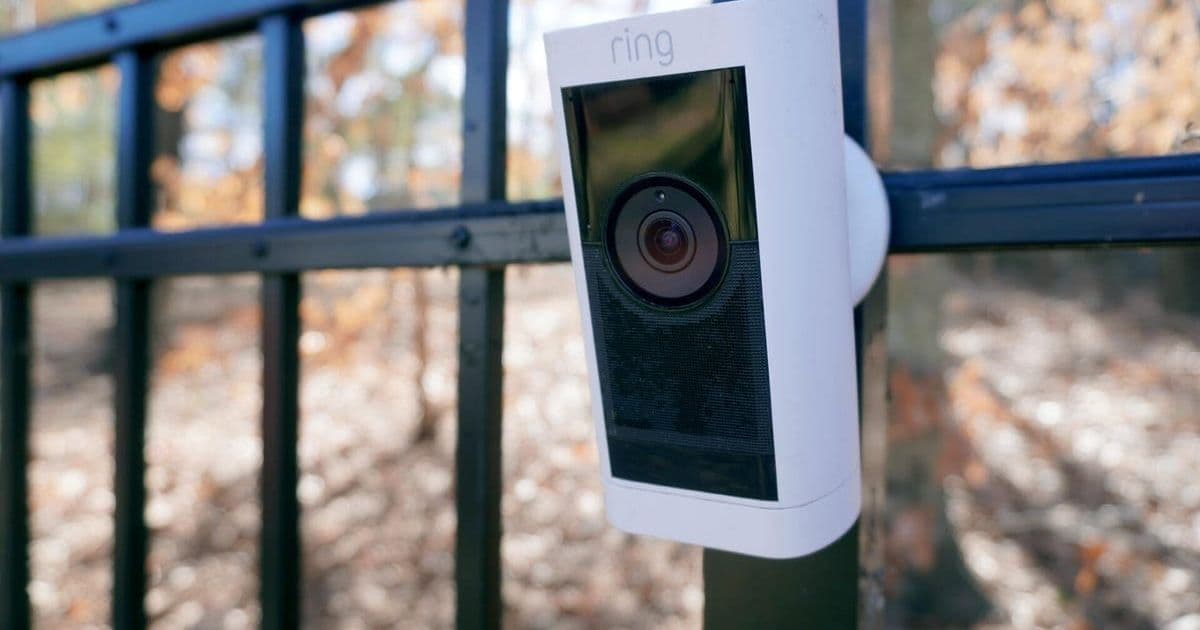
A viral TikTok trend sparked widespread alarm among Ring users who discovered unexplained logins dated May 28, 2025, suggesting a breach. Ring confirmed the logins were a display error caused by a backend update, not a hack, though lingering questions about foreign device entries fuel ongoing skepticism. This incident highlights the fragile trust in smart home ecosystems and the critical need for transparent communication during technical failures.
A wave of panic swept through Ring camera owners this week as TikTok videos revealed a disturbing anomaly: unexplained logins dated May 28, 2025, appearing in their device histories, seemingly from unfamiliar devices. The implication was terrifying – strangers might have accessed their private video feeds for months.
The Viral Alarm
Videos warning users to check their Ring "Event History" logs quickly amassed millions of views and shares across TikTok and Reddit. Users discovered entries showing logins on May 28, 2025, attributed to devices they didn't recognize, sparking fears of a massive security breach or widespread account compromise. Comments sections filled with alarmed users confirming similar findings.
Ring's Official Response: It's a Glitch, Not a Hack
Ring moved swiftly to address the concerns. The company confirmed to journalists and users that no security breach or hack occurred. Instead, the culprit was a backend update that misfired.
"There was no security incident or breach, and Ring or Ring devices weren't hacked. A recent back-end update caused prior login dates to incorrectly display as May 28, 2025, and device names to appear as 'Device name not found.'"
– Ring Spokesperson
Essentially, the update triggered a reset in how login events were displayed, causing every device a user had ever used to access their Ring account (old phones, tablets, browsers) to reappear in the log with the incorrect May 28 date and the generic "Device name not found" label.
Lingering Skepticism and Unanswered Questions
Despite Ring's explanation, skepticism persists among some users. Reports surfaced detailing logins attributed to:
- Devices never owned (e.g., "Windows 11" for Mac users, "Chromebook" for iOS-only households).
- Browser types inconsistent with the user's ecosystem (e.g., "Chrome browser" for an Apple-exclusive user).
- Logins appearing to originate from other countries.
- Long strings of repeated logins across various device types on the same day.
Ring has not yet provided a detailed explanation for these specific anomalies beyond reiterating the general backend update issue. This gap fuels concerns that the glitch might have revealed other underlying issues or that the explanation doesn't cover all observed phenomena.
Beyond the Glitch: Implications for Smart Home Trust
This incident transcends a simple software bug. It underscores a critical vulnerability in the smart home ecosystem: user trust. When a core security feature like login history displays inexplicable and alarming information, it shatters confidence, regardless of the root cause. The viral spread highlights how quickly fear can propagate in the connected age, and Ring's initial generic responses, while technically accurate, failed to fully quell user anxiety for some. It serves as a stark reminder for all IoT and smart home providers: transparent, timely, and detailed communication during technical incidents is not just good PR – it's a security imperative. Ensuring users understand precisely what happened and why, especially when their sense of security is threatened, is paramount. While Ring averted a true security disaster, the event exposed the delicate balance between complex backend systems and the user-facing interfaces meant to provide peace of mind – a balance that must be maintained with utmost care. Regularly reviewing login activity and enabling features like Two-Factor Authentication (2FA) remain essential security hygiene practices for all connected devices.
Comments
Please log in or register to join the discussion