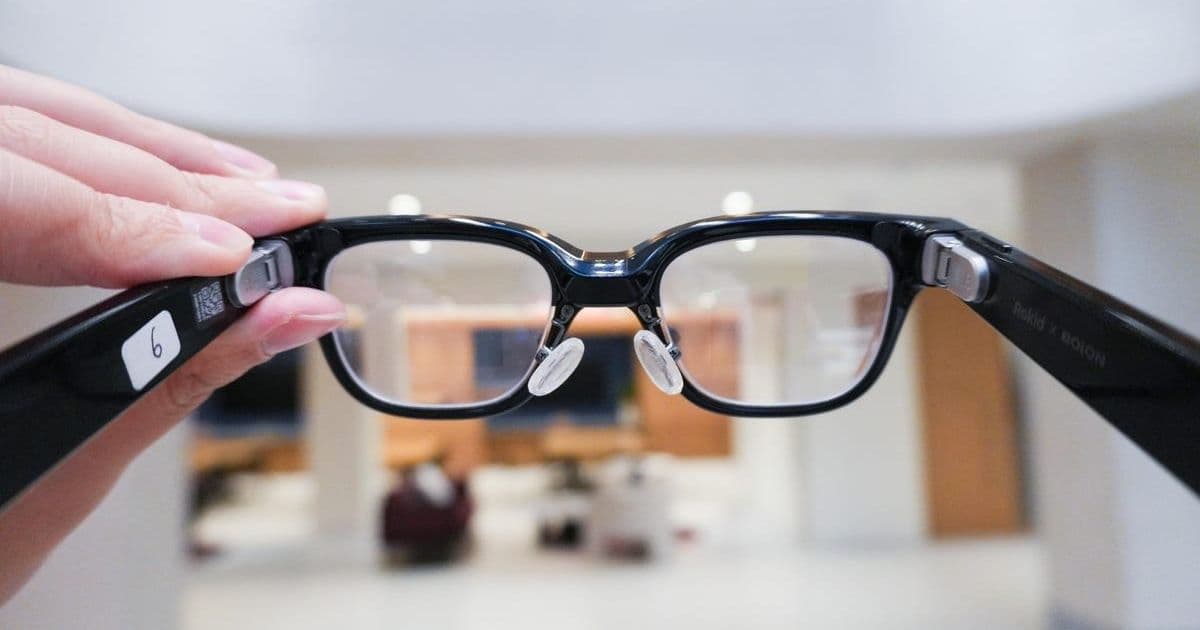
Rokid Glasses, challenging Meta's dominance in smart eyewear, secured over $1 million in Kickstarter pre-orders within 72 hours. Offering significant upgrades over Ray-Bans—including a heads-up display, native ChatGPT, multilingual support, and superior battery life—they target tech early adopters seeking advanced features. This surge signals intense competition brewing in the AI glasses market ahead of Meta's anticipated September 17th reveal.
The smart glasses arena, long dominated by Meta's Ray-Bans, has a formidable new challenger. Rokid Glasses, demonstrating potent market appeal, amassed over $1 million in pre-orders on Kickstarter in just 72 hours, shattering its initial $20,000 goal. This explosive demand underscores a significant appetite for AI eyewear that pushes beyond the current mainstream offerings.
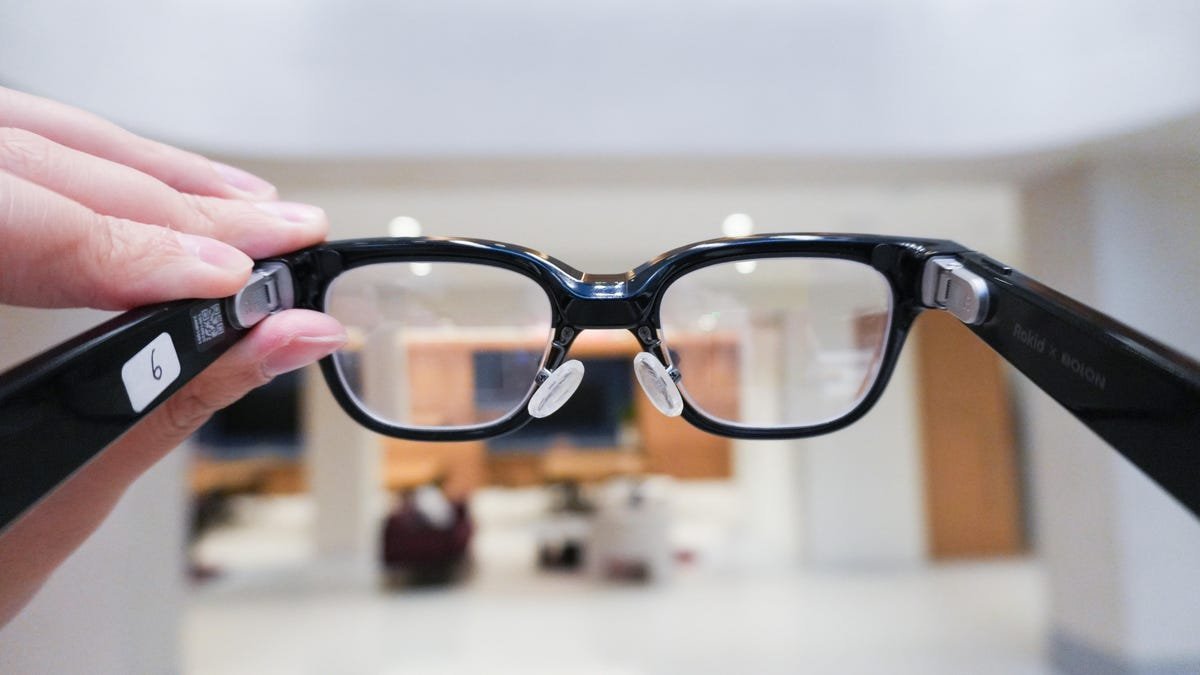
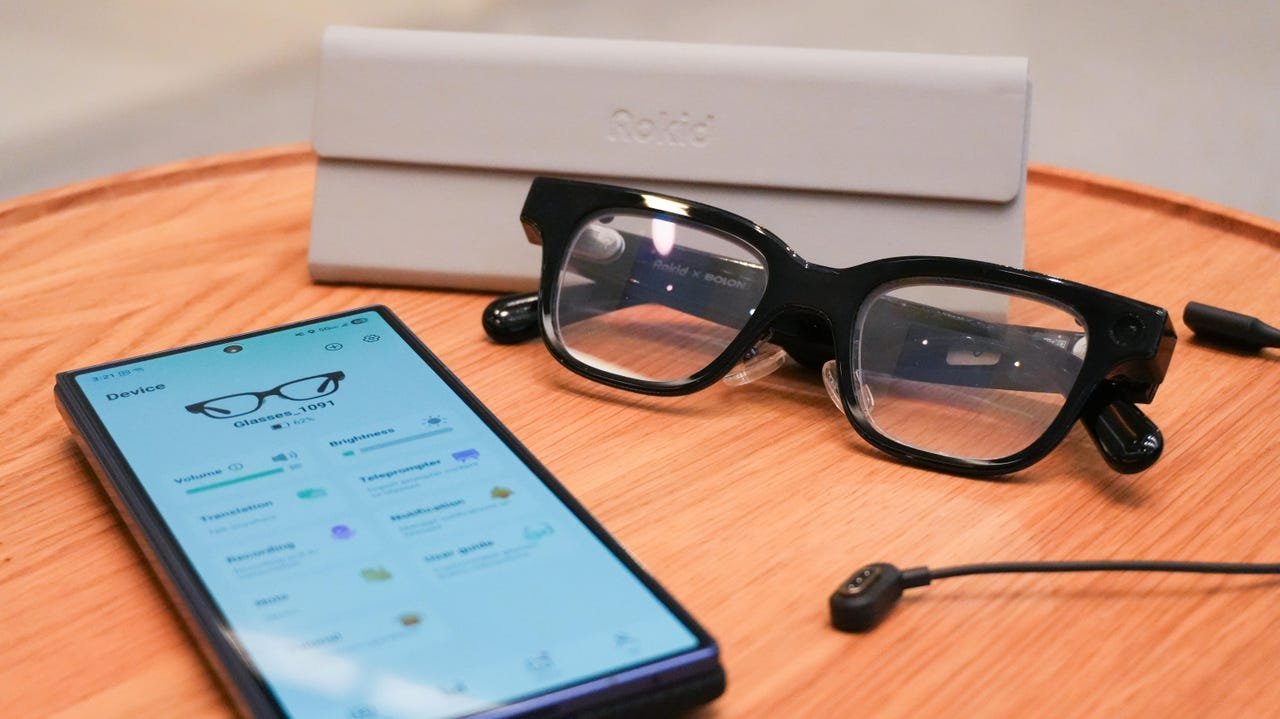
Rokid's pitch is clear: deliver the core conveniences popularized by Meta Ray-Bans – seamless photography, quality open-ear audio, and voice-activated AI assistance – but crucially, augment them with a heads-up display (HUD) found in more specialized AR glasses like the XREAL Air 2 or Brilliant Labs Frame. This combination positions Rokid Glasses uniquely between audio-focused smart glasses and full AR headsets.
Beyond the display, Rokid boasts several tangible advantages over the current Meta Ray-Ban generation:
- Native ChatGPT Integration: While Meta relies on its Llama model, Rokid offers direct access to OpenAI's ChatGPT.
- Expanded Language Support: 89 languages versus Meta's 4.
- Flexible Photography: Capture photos in both horizontal and vertical orientations (Meta Ray-Bans are vertical-only).
- Larger Battery: 210 mAh capacity compared to Meta's 154 mAh.
- Audio Memo: Dedicated feature for quick notes and reminders.
- Magnetized Lenses: Easily swap prescription or tinted lenses.
Remarkably, Rokid packs these features into a frame weighing just 49g – identical to Meta Ray-Bans – and with a similar footprint to the popular Wayfarer style. Priced at $599 retail ($479 for early Kickstarter backers), they sit above the standard Ray-Bans ($299-$379) but below the rumored $800 price tag of Meta's upcoming 'Hypernova' glasses expected later this month.
"At CES in January, our glasses were more like a prototype, and now they're ready. Mass production begins in October," stated Irene Long, Rokid's Head of Global Operations. The company, established in 2014, has experience in smart speakers and AR/VR, recently focusing on partnerships with museums in China for immersive content. Rokid claims over 300,000 global pre-orders, with the US Kickstarter campaign representing only a fraction, suggesting significant retailer and partner interest.
The Competitive Landscape Heats Up: Rokid's timing is strategic. Meta is set to unveil its next-generation smart glasses, including the screen-equipped Hypernova and likely upgraded audio-only Ray-Bans, at its Meta Connect event on September 17th. Analysts project modest initial Hypernova sales (150k-200k units over two years) but massive scale for the Ray-Ban line (potentially 10 million units annually by end of 2026). Samsung and Google are also known to be developing competitors.
"There are going to be a lot of smart glasses coming, but I also think a lot of people are looking for alternatives to Meta's Ray-Bans," noted CNET's Scott Stein, who has tested the Rokid Glasses. "The size and price for these surprised me, and they're getting ahead of other glasses to come."
Implications for Developers & the Market: Rokid's rapid funding success highlights a key segment: tech early adopters prioritizing advanced features over brand recognition or style variety. While Meta leverages Ray-Ban's iconic design and vast retail reach, Rokid is betting on superior technical specs and unique functionality like its HUD to carve out a niche. This competition is ultimately beneficial, accelerating innovation in areas crucial for developers: AI agent capabilities, contextual awareness via sensors and cameras, display technology miniaturization, battery efficiency, and novel interaction models.
The coming months will test whether Rokid can transition its promising prototype and pre-order buzz into a polished, widely available product that delivers on its ambitious feature set. If successful, it could significantly disrupt Meta's early lead, proving that in the nascent AI glasses market, technical prowess can rapidly capture enthusiast mindshare and challenge even the largest players. The race to define the next ubiquitous wearable is intensifying, and Rokid has just fired a powerful opening salvo.
Comments
Please log in or register to join the discussion