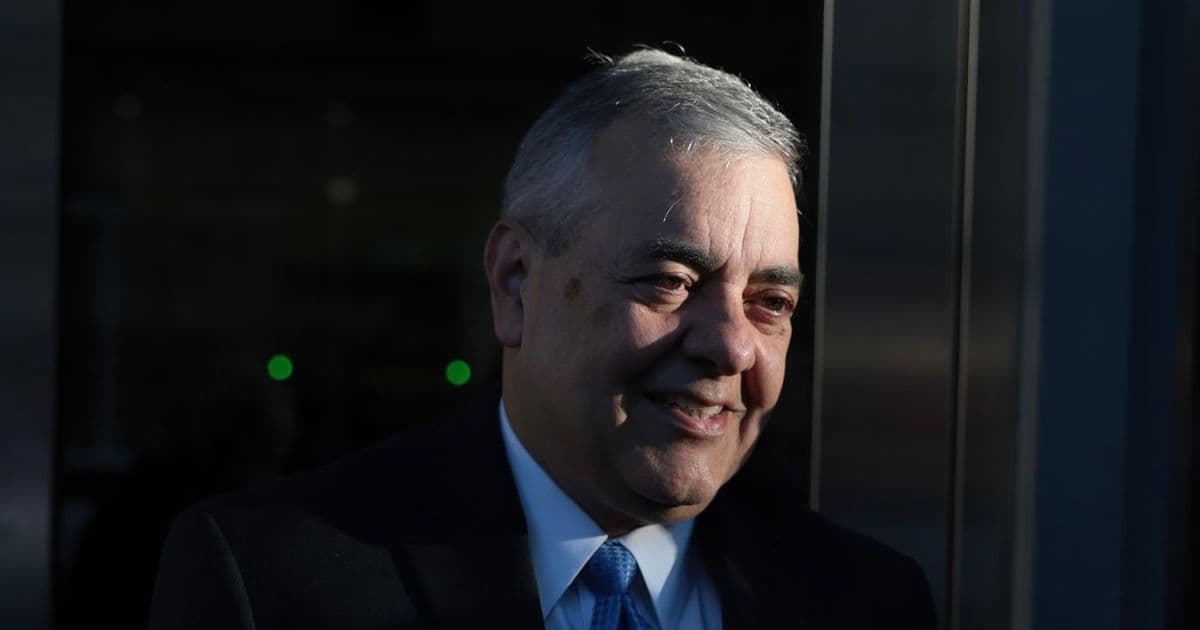
Secretary of State Marco Rubio's testimony reveals details about former Rep. David Rivera's involvement in a controversial Venezuela energy deal, raising questions about foreign influence and energy politics.
Former Rep. David Rivera (R-Fla.) has emerged as a central figure in a controversial Venezuela energy deal that has drawn scrutiny from lawmakers and raised questions about foreign influence in U.S. politics. The revelations came to light during recent testimony by Secretary of State Marco Rubio, who detailed his former colleague's involvement in what critics describe as a "shadowy" play to circumvent U.S. sanctions.
The Venezuela Energy Deal
The deal centers on a proposed energy partnership between Venezuelan state-owned oil company PDVSA and various U.S. energy firms. According to testimony, Rivera was working to facilitate negotiations that would have allowed Venezuelan oil exports to reach U.S. markets despite existing sanctions imposed during the Trump administration.
The energy sector has been particularly sensitive since Venezuela holds some of the world's largest oil reserves, yet U.S. sanctions have severely limited the country's ability to export crude. Industry analysts estimate that Venezuela's oil production has fallen from approximately 3.5 million barrels per day in 1998 to less than 700,000 barrels per day in recent years.
Rubio's Testimony
During his congressional testimony, Rubio acknowledged knowing Rivera for years but distanced himself from the Venezuela negotiations. The Secretary of State stated that he became aware of his former colleague's activities only after they had already progressed significantly.
"I was surprised to learn about these discussions," Rubio testified. "While I've known David for a long time, I had no involvement in any of these energy negotiations."
Political and Legal Implications
The revelations have sparked concerns among lawmakers about potential violations of the Foreign Agents Registration Act (FARA). Legal experts note that individuals working on behalf of foreign governments or entities must disclose their activities, and failure to do so can result in criminal penalties.
Energy policy analysts point out that any deal allowing Venezuelan oil to flow to U.S. markets would have significant market implications. The U.S. currently imports approximately 3 million barrels of crude oil daily, with Venezuela historically being one of its top suppliers before sanctions were imposed.
Industry Context
The energy sector has been closely watching developments in Venezuela, as the country's vast reserves could potentially help stabilize global oil markets. However, concerns about governance, corruption, and environmental standards have complicated any potential engagement.
Major U.S. energy companies have maintained a cautious distance from Venezuelan opportunities, with many citing the complex regulatory environment and reputational risks. The sector has instead focused on domestic production and renewable energy investments.
What Comes Next
Congressional committees have announced plans to investigate the extent of Rivera's activities and whether any current or former government officials were involved in facilitating the negotiations. The State Department has also indicated it will review its protocols for preventing unauthorized foreign engagement by former officials.
The case highlights the ongoing challenges of balancing energy security, foreign policy objectives, and legal compliance in an increasingly complex global energy landscape. As investigations continue, the energy sector remains watchful for any policy shifts that might affect Venezuela's position in global oil markets.
For now, the controversy serves as a reminder of the intricate connections between energy politics, foreign policy, and the potential for unauthorized influence operations in Washington's corridors of power.
Comments
Please log in or register to join the discussion