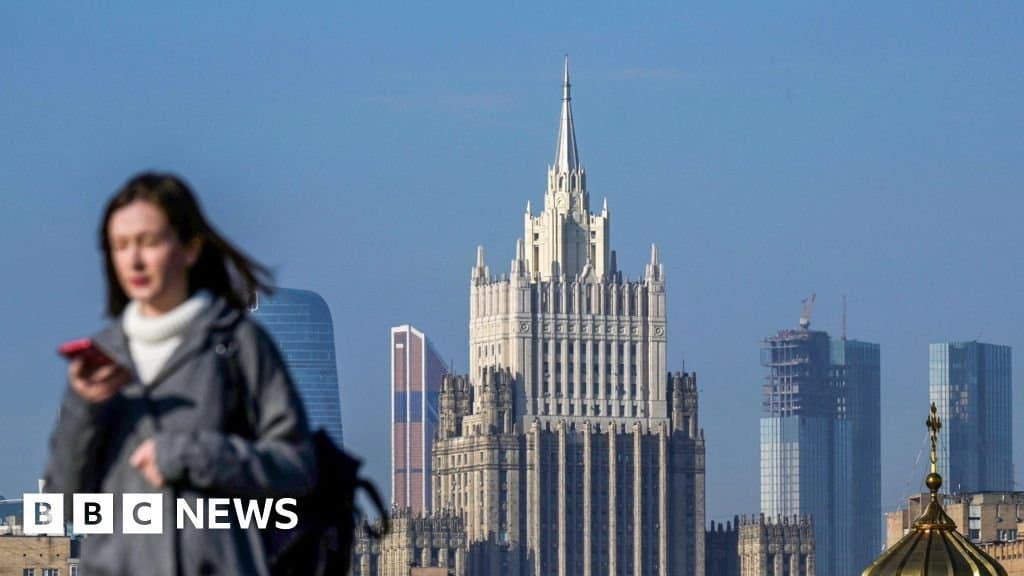
Russia is intensifying its internet crackdown with widespread restrictions on WhatsApp and Telegram calls, while mandating the installation of a Kremlin-backed 'super-app' called Max. This strategy, combined with pervasive mobile internet blackouts, aims to centralize digital control and surveillance, threatening both user privacy and the open web. The moves reflect a broader shift toward Chinese-style digital authoritarianism, with profound implications for developers, cybersecurity, and global
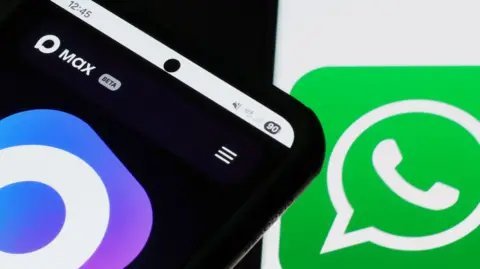
Marina, a freelance copywriter from Tula, Russia, discovered her world shrinking last month when routine WhatsApp calls to colleagues suddenly failed. Attempts to switch to Telegram—another staple for millions—also faltered. She's among countless Russians grappling with new government restrictions on both platforms, imposed in mid-August by Roskomnadzor, Russia's media regulator. The timing is conspicuous: it coincides with the aggressive rollout of Max, a state-controlled 'super-app' now pre-installed on all devices sold in Russia.

For a nation where WhatsApp and Telegram boast 97 million and 90 million monthly users respectively—out of 143 million people—this crackdown disrupts daily life. These apps aren't just for messaging; in remote regions with spotty connectivity, they serve as lifelines for everything from taxi bookings to emergency coordination. Crucially, both offer end-to-end encryption, shielding communications from prying eyes. Officials claim the restrictions are about data localization and fighting scams, but telecom experts see a darker motive: enabling state surveillance. As Marina, who requested anonymity for safety, puts it: 'The authorities don't want us to maintain connections. They want everyone isolated.'
Enter Max, developed by VK—a firm controlled by Putin ally Yuri Kovalchuk and state energy giant Gazprom. Marketed as a 'national messenger,' Max is being pushed through celebrity endorsements and now mandatory pre-installation. Designed as a WeChat-style super-app, it integrates messaging, banking, and government services. But its privacy policy openly admits sharing user data with third parties and authorities, effectively turning it into a surveillance tool. In a country where private messages can lead to prosecution and scam calls are rampant, this poses severe risks. 'Max isn't just an app; it's a Trojan horse for the Kremlin's digital control,' notes digital rights advocate Sarkis Darbinyan.
The pressure doesn't stop there. Schools are migrating parent chats to Max, while regions like Rostov use it for emergency alerts. Yet adoption lags—Max claims just 30 million users—amid deep public skepticism. Simultaneously, Russians face escalating internet blackouts. Since May, every region has experienced mobile shutdowns, peaking at 77 areas offline at once. Authorities blame Ukrainian drone threats, but experts like telecom analyst Mikhail Klimarev call this a facade: 'They've no air defenses, so they shut off the internet and claim it works.' The human cost is stark: in Vladimir, outages have paralyzed bus schedules and spiked taxi fares for weeks. Officials even tout it as 'digital detox,' ignoring the economic fallout for remote workers.
This crackdown is part of a decade-long campaign. After 2012 protests, Russia began restricting online content 'to protect children.' Post-2022 Ukraine invasion, it blocked Facebook, Instagram, and independent media. New laws now criminalize searching 'extremist' content—a list including Navalny's writings—and ban VPN ads, while SIM card sharing is outlawed. The government is also developing a system to limit internet access during blackouts to 'vital' services like Max, banking, and taxis—a move Darbinyan warns could normalize permanent censorship.
For the tech community, this signals alarming precedents. Developers must navigate an environment where state-mandated apps compromise security fundamentals like encryption, while infrastructure instability disrupts app reliability. Cybersecurity professionals face heightened risks from data leaks in state-controlled platforms. And as Russia mirrors China's playbook, it underscores a global trend: the fracturing of the internet into walled gardens of control. While VPNs and niche apps offer temporary escapes, the Kremlin's relentless push suggests a future where digital freedom is a relic—leaving Russians, and perhaps others, in a tightly monitored digital cage.
Comments
Please log in or register to join the discussion