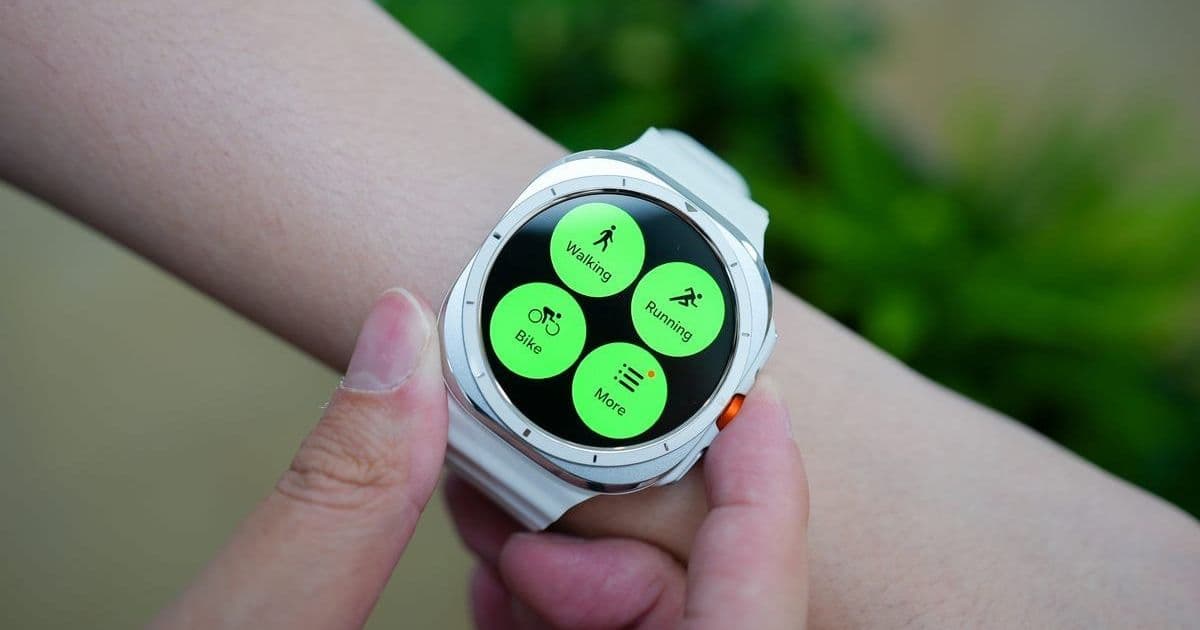
Samsung is testing an AI health coach in its Health app beta, leveraging Google's Gemini to provide personalized wellness tips and activity suggestions without medical diagnoses. The feature, discovered by Android Authority, signals Samsung's expansion into AI-driven health tools amid growing competition from Whoop, Oura, and Apple. This development highlights the tech industry's push to transform wearables into proactive wellness companions.
Samsung Health App to Introduce AI-Powered Wellness Coach, Joining Wearables AI Race
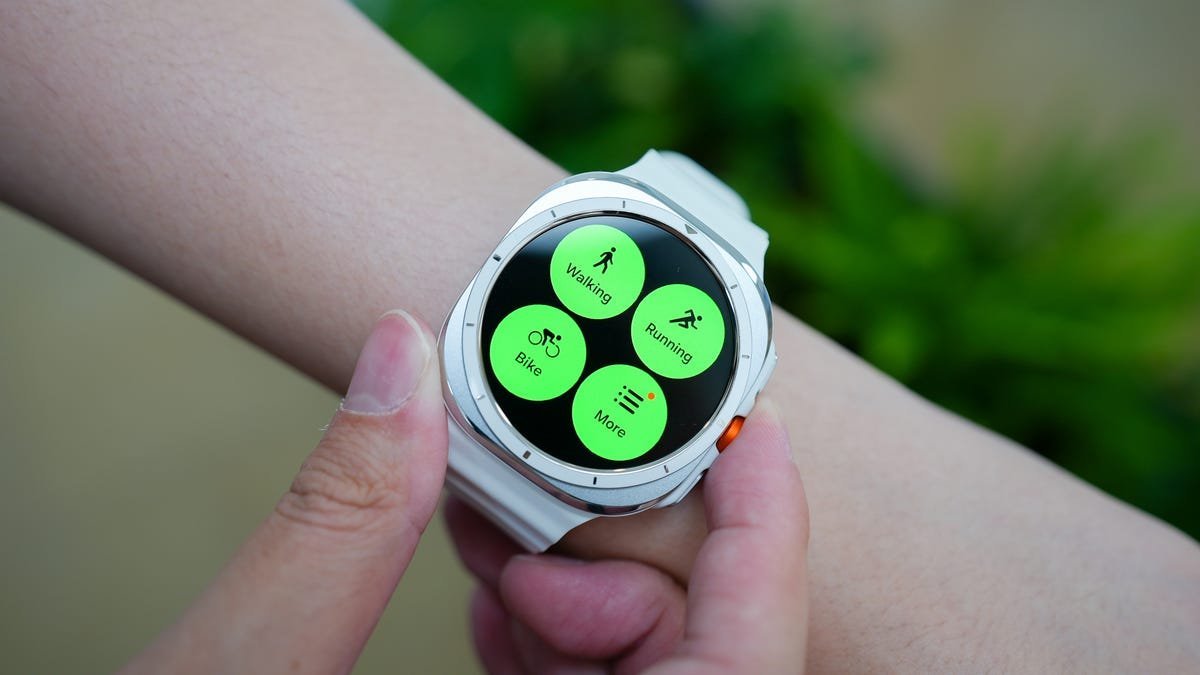
Samsung is poised to revolutionize its Health app with an AI-powered assistant designed to act as a personalized wellness coach, according to findings from Android Authority in a recent beta release. Dubbed the "Samsung Health Assistant," this feature uses Google's Gemini AI—already integrated into Samsung's Galaxy Watches—to answer user queries about sleep, activity, nutrition, and general well-being. Crucially, it avoids medical advice or diagnoses, adhering to industry standards for consumer health tools. This move amplifies Samsung's aggressive investment in health tech, positioning it against rivals like Whoop and Apple in the burgeoning market for AI-driven wearables.
The assistant functions as a conversational interface within the app, encouraging users to log health data and offering tailored suggestions to improve daily habits. For instance, if it detects low activity levels, it might propose specific exercises or mindfulness practices. As Nina Raemont reports for ZDNET:
"The chatbot can't diagnose or treat medical conditions, but it can answer user questions about health, sleep, and activity-related topics, offering tips and nudges to enhance user engagement."
This innovation builds on Samsung's earlier AI initiatives, such as the Running Coach for Galaxy Watches, which creates customized training plans based on user performance. The Health Assistant could extend similar personalization to activities like cycling or swimming, making it a central hub for holistic wellness.
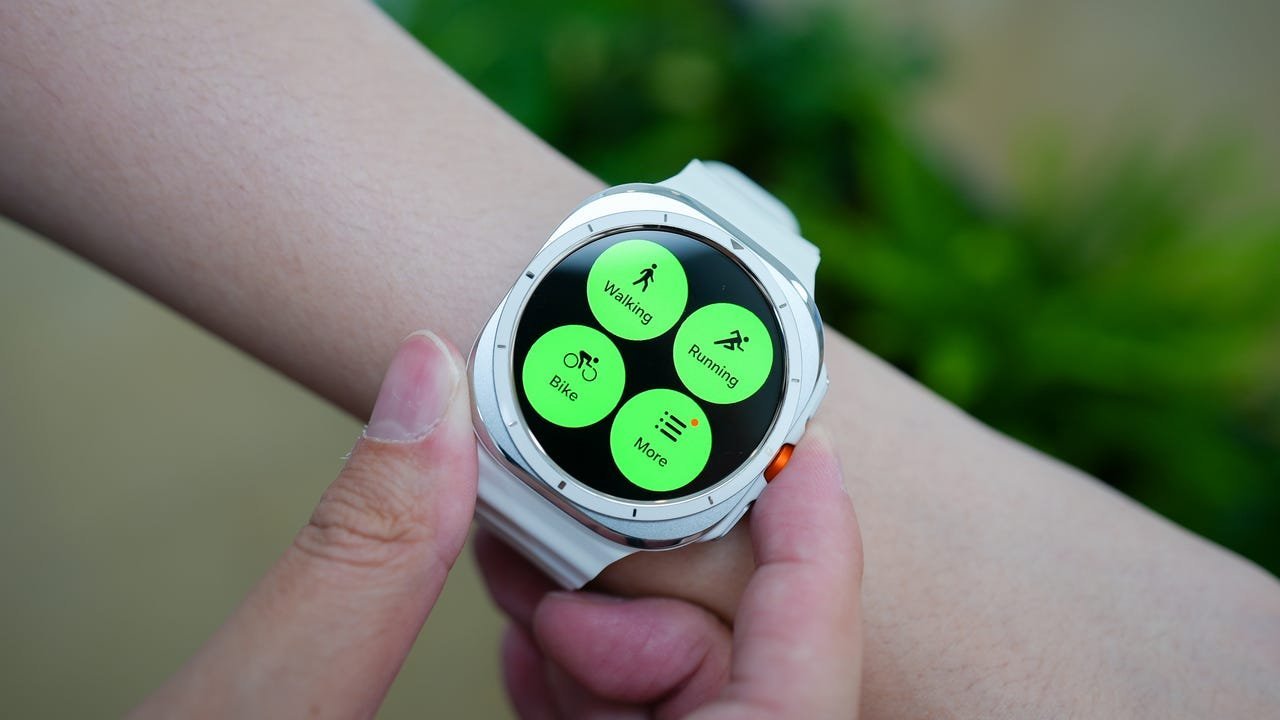 Samsung Galaxy Watch Ultra, which may feature deeper integration with the new Health Assistant. (Credit: Kerry Wan/ZDNET)
Industry-wide, AI health coaches are becoming a competitive necessity. Whoop and Oura already offer chatbot-style assistants, Google is redesigning Fitbit around AI, and Apple is rumored to be developing a similar tool for 2026. For developers, this trend underscores the rise of retrieval-augmented generation (RAG) systems in health apps, where AI synthesizes user data into actionable insights without overstepping regulatory boundaries. However, it also raises challenges: ensuring data privacy, avoiding AI hallucination in health contexts, and maintaining user trust when algorithms suggest lifestyle changes.
Expected to launch fully later this year, the assistant will be accessible via a chat icon in the Health app. While this promises to make health tracking more intuitive and engaging, it subtly shifts wearables from passive monitors to active coaches. As these tools evolve, their success will hinge on balancing personalized support with ethical constraints—reminding users that AI guides, but never replaces, human healthcare expertise.
Comments
Please log in or register to join the discussion