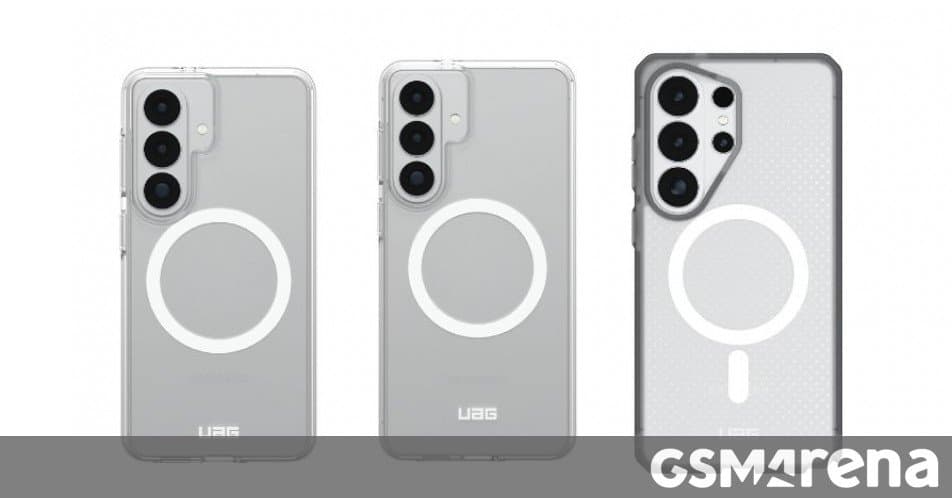
Samsung's upcoming Galaxy S26 series will support faster 20W+ wireless charging through Qi 2.2.1, but disappointingly lacks built-in magnets for magnetic accessories, requiring cases for MagSafe-style functionality.
Samsung's upcoming Galaxy S26 series is set to receive a notable upgrade in wireless charging capabilities, but the company appears to be holding back on one of the most requested features in the premium smartphone segment.
According to a new listing on the Wireless Power Consortium's (WPC) website, the Galaxy S26, S26 Plus, and S26 Ultra will support the Qi 2.2.1 wireless charging specification. This upgrade promises charging speeds of 20W or faster, with earlier rumors suggesting the Ultra model could reach 25W wireless charging speeds.
However, the upgrade comes with a significant limitation. The devices will only comply with the Base Power Profile (BPP) rather than the Magnetic Power Profile (MPP). This means the phones won't include built-in magnets for magnetic wireless charging accessories.
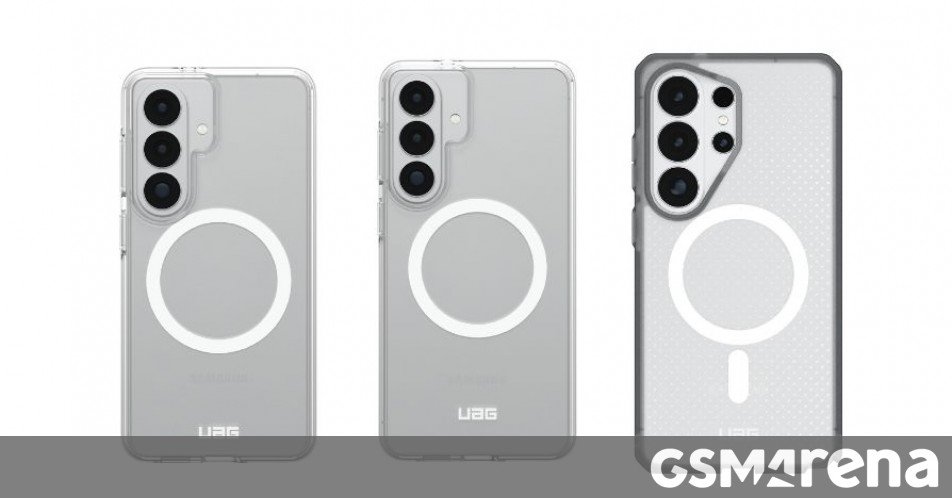
For consumers, this translates to a less convenient wireless charging experience. Without integrated magnets, Galaxy S26 users won't be able to simply snap their phones onto magnetic charging pads or use magnetic accessories like wallets and stands that have become popular with other flagship devices. Instead, they'll need to rely on compatible magnetic cases to achieve similar functionality.
This decision is particularly noteworthy given the growing popularity of magnetic wireless charging in the premium smartphone market. Apple's MagSafe technology has set a standard that many users now expect, and several Android manufacturers have begun incorporating similar features into their devices.
The Qi 2.2.1 specification itself represents a meaningful improvement over previous versions, offering faster charging speeds and improved efficiency. But for many potential buyers, the lack of built-in magnetic functionality may be a dealbreaker, especially when competing flagship devices offer this feature as standard.
The move suggests Samsung may be taking a more conservative approach to hardware features, possibly to maintain differentiation between its product lines or to keep costs down. However, it also risks frustrating users who have come to expect comprehensive feature sets in premium devices.
As the Galaxy S26 launch approaches, this revelation adds another dimension to the discussion about Samsung's strategy in the increasingly competitive flagship smartphone market. While the wireless charging speed improvements are welcome, the absence of magnetic charging support may leave some users looking elsewhere for their next upgrade.
The Galaxy S26 series is expected to launch in early 2026, and this wireless charging specification gives us another piece of the puzzle as we anticipate Samsung's next flagship lineup.
Comments
Please log in or register to join the discussion