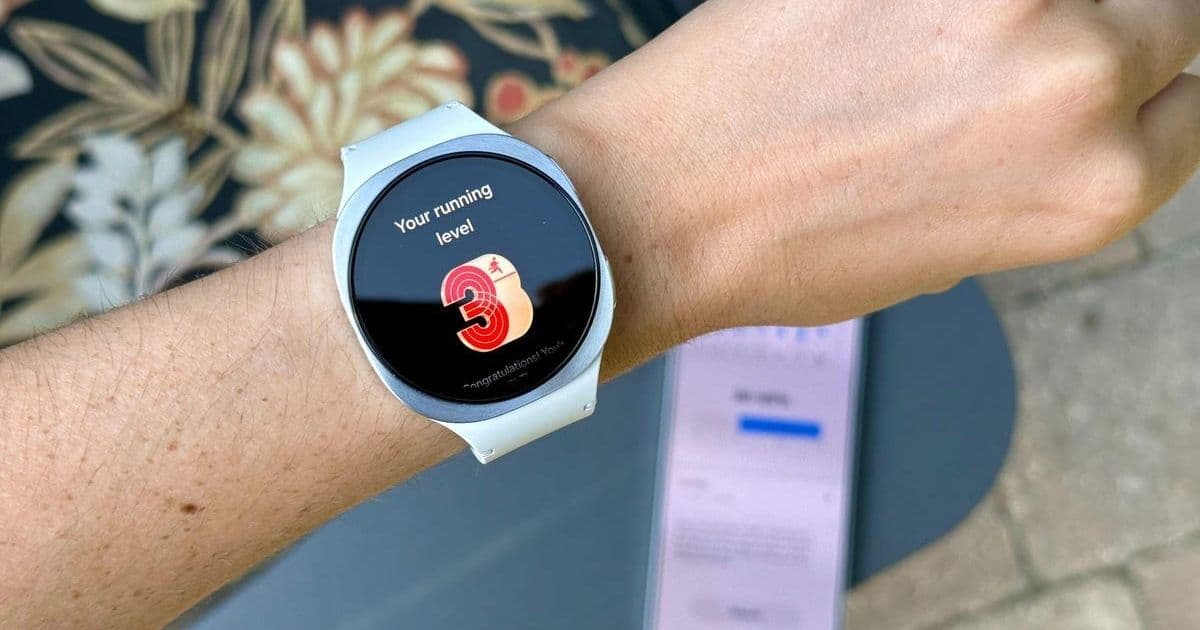
ZDNET's hands-on test of Samsung's new AI-powered Running Coach on the Galaxy Watch 8 reveals how it uses biometric data to create personalized training plans. Despite the editor's unexpectedly low initial fitness score, the feature's targeted goals and minimalist approach offer compelling tech-driven motivation for runners.
Samsung's Galaxy Watch 8 AI Running Coach Delivers Humbling—Yet Motivating—Fitness Insights
In the competitive arena of AI-driven wearables, Samsung's Galaxy Watch 8 stakes new ground with its Running Coach feature—an algorithmic trainer designed to transform casual joggers into race-ready athletes. ZDNET Wearables & Health Tech Editor Nina Raemont recently subjected herself to its unflinching analysis, emerging with a story that underscores both the promise and precision of on-device AI for personalized fitness.
How the AI Coach Works: Data-Driven Discipline
The system begins with a baseline assessment: users input height, weight, and running history before undertaking a grueling 12-minute test run. Sensors track real-time metrics like pace, heart rate, and exertion, while Samsung's proprietary algorithms synthesize this data into a "fitness score" (on a 1–10 scale). This score then generates a customized training plan targeting specific milestones, such as a sub-35-minute 5K or a sub-2.5-hour half marathon.
"Running Coach won't be in your ear with motivational comments, but it does provide the information you need," notes RaDNET's Raemont, highlighting its minimalist design. Unlike Apple's forthcoming Workout Buddy for WatchOS 26—which emphasizes real-time encouragement—Samsung's approach prioritizes actionable analytics over cheerleading.
The Human Test: A Reality Check
Raemont, a seasoned runner with past half-marathon experience, anticipated a strong score. Instead, the Watch delivered a jarring "3/10" after her test. "I'm a little offended," she admitted, yet the humility sparked determination: "Now I'm even more determined to prove Running Coach wrong." The AI's cold calculus—factoring in variables like sleep quality and resting heart rate—eliminates subjective bias, offering a brutally honest fitness snapshot.
Technical Implications for Wearable Development
This feature exemplifies a broader shift toward context-aware health tech. By integrating biometric feedback (e.g., post-run heart rate recovery targets like 124 bpm) with user-reported exertion levels, Samsung creates adaptive feedback loops that could reduce injury risks from overtraining. For developers, it raises intriguing questions: How might federated learning improve these models without compromising privacy? Could third-party apps leverage similar APIs for cross-platform training regimens?
Who Benefits? The Case for Focused Fitness Tech
Running Coach excels for goal-oriented newcomers avoiding app overload. As Raemont observes, it's ideal for those targeting their first race without sifting through fragmented training apps. While budget alternatives like Couch to 5K exist, Samsung’s deep hardware-software integration—using the Watch’s sensors for granular strain analysis—offers a seamless, data-rich alternative. The Galaxy Watch 8 ships July 25, positioning this AI coach as a standout in the wearables arms race.
In a tech landscape often obsessed with relentless positivity, Samsung’s AI dares to deliver inconvenient truths—and paradoxically, that honesty might be its most motivating feature. For runners and developers alike, it’s a reminder that growth often starts with humility.
Source: Based on original testing and reporting by Nina Raemont for ZDNET.
Comments
Please log in or register to join the discussion