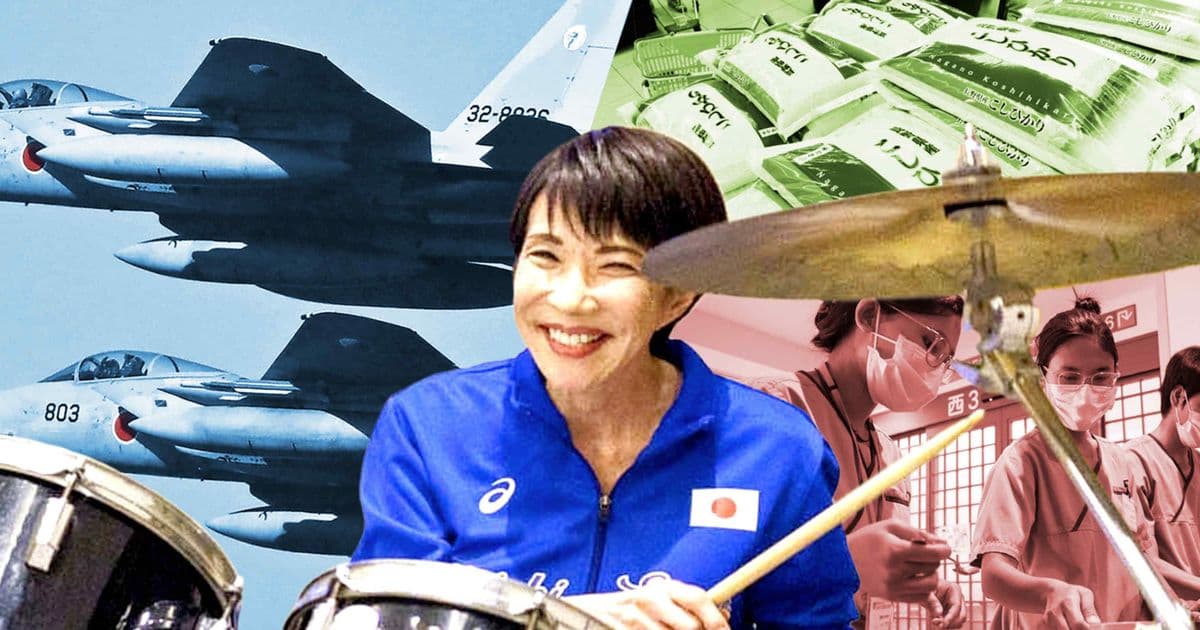
Japan's Prime Minister Sanae Takaichi has secured the largest majority in the Liberal Democratic Party's 70-year history, but faces mounting pressure to deliver on economic reforms and constitutional revision while managing regional tensions.
Sanae Takaichi's historic electoral victory has positioned Japan's first female prime minister to pursue the ambitious agenda that eluded her mentor Shinzo Abe, but the scale of her mandate brings equally daunting challenges. The Liberal Democratic Party's landslide win in February's general election gives Takaichi unprecedented political capital to reshape Japan's economic and security landscape, yet the 60-year-old leader wasted no time tempering expectations.
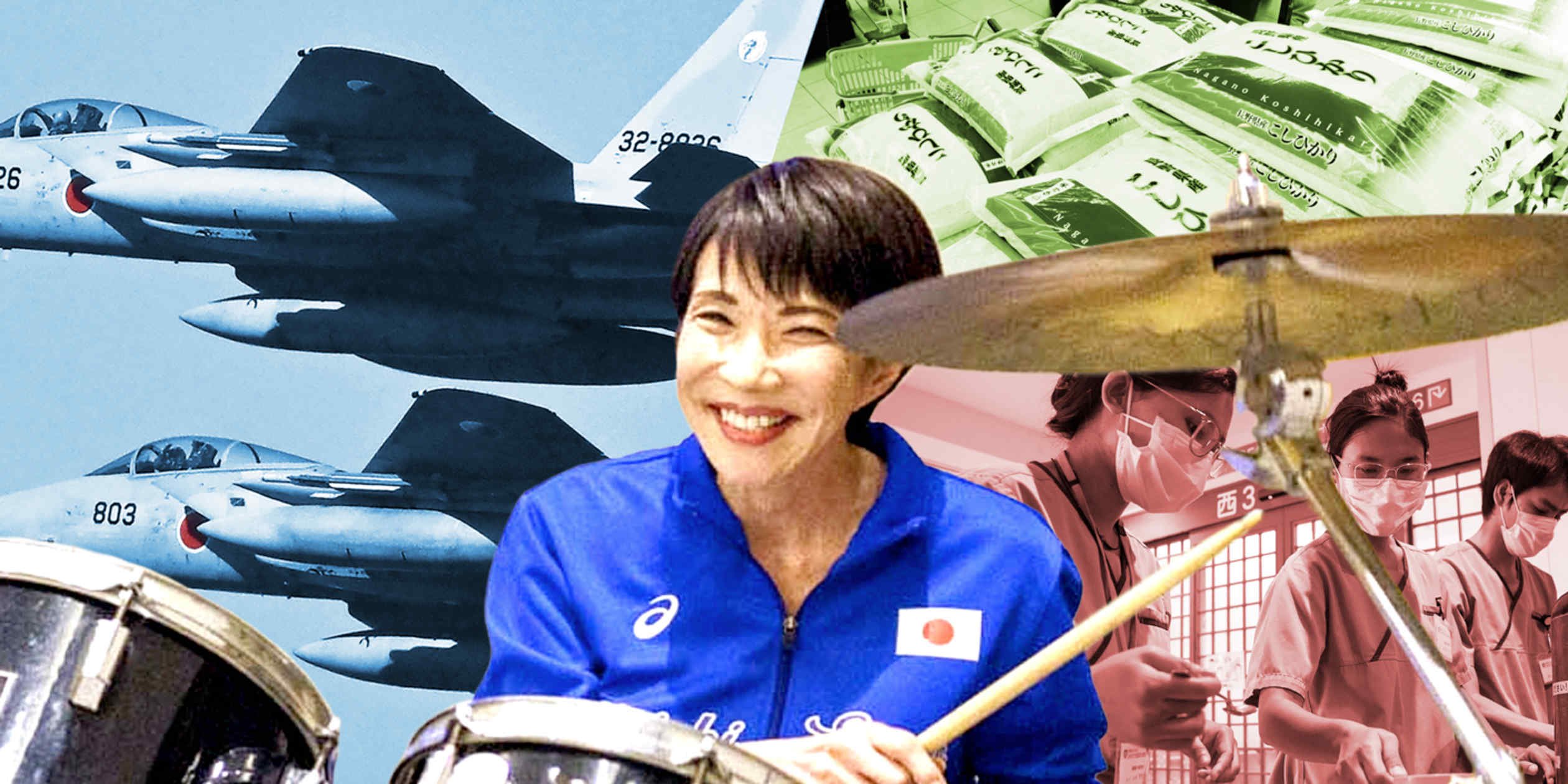
"We don't have the luxury of basking in victory," Takaichi told reporters the day after securing what analysts are calling a "supermajority" that could fundamentally alter Japan's political trajectory. The victory grants her ruling coalition control over two-thirds of parliament's lower house, theoretically enough to amend the pacifist constitution that has defined post-war Japan.
Economic Headwinds and the Weak Yen Strategy
The economic landscape Takaichi inherits bears striking similarities to the conditions that propelled Abe's "Abenomics" agenda a decade ago. Japan's persistent deflation has finally given way to inflation, but at a cost: the yen's weakness against the dollar has pushed import costs higher while failing to deliver the export boom that policymakers hoped for.
Takaichi has already signaled her intention to continue Abe's weak yen policy, arguing that it benefits Japanese manufacturers and helps combat the country's chronic deflation. However, this approach faces mounting criticism from consumers and small businesses struggling with higher prices for imported goods.
Recent data shows Japan's unused defense budget has reached $6.5 billion annually as the country rushes to build up its military capabilities in response to regional threats. This spending spree, combined with the need to address Japan's truck driver shortage through international recruitment from Vietnam and Indonesia, creates competing demands on the national budget.
Constitutional Revision: Abe's Unfinished Business
The constitutional amendment that eluded Abe throughout his tenure now appears within reach. Nearly 40% of candidates in the recent election supported curbs on foreign workers, reflecting growing concerns about Japan's labor shortages and demographic decline. However, any move to revise Article 9, which renounces war as a sovereign right, would require careful navigation of domestic and international sensitivities.
Takaichi's approach to constitutional reform will likely mirror Abe's incremental strategy rather than dramatic overhaul. The question remains whether she can build the consensus necessary to achieve what her mentor could not, particularly given the complex regional dynamics involving China, North Korea, and the United States.
Regional Tensions and Security Priorities
Japan's security environment has deteriorated significantly since Abe's first term. The release of a Chinese fishing boat captain amid bilateral tensions demonstrates the delicate balance Takaichi must maintain in her relationship with Beijing. Meanwhile, Japan's defense buildup continues apace, with the government struggling to spend its allocated budget amid supply chain constraints and workforce shortages.
The Trump administration's support for Takaichi masks underlying tensions over investment delays and trade imbalances. Her ability to strengthen ties with Washington while managing relationships with other regional powers will be crucial to her success.
The Productivity Challenge
Perhaps the most significant hurdle facing Takaichi is Japan's persistent productivity problem. Despite years of economic stimulus and labor market reforms, real wage growth remains elusive. The combination of an aging population, rigid labor markets, and technological disruption creates a perfect storm that threatens Japan's economic competitiveness.
Takaichi's bid to lift real wages faces headwinds from inflation and low productivity that have proven resistant to previous reform efforts. Her challenge will be to implement structural changes that boost productivity while maintaining social stability in a country where lifetime employment remains culturally significant.
The Abe Legacy and Takaichi's Vision
Takaichi's political philosophy bears the clear imprint of her mentor's vision, but she brings her own experiences and priorities to the role. Where Abe focused on economic revival and national pride, Takaichi appears more attuned to the practical challenges of governance in an era of demographic decline and regional uncertainty.
Her leadership style, forged through years in Abe's cabinet and as a key LDP strategist, suggests a pragmatic approach to achieving her goals. The question is whether she can translate her electoral mandate into concrete policy achievements before Japan's demographic clock runs out.
The scale of Takaichi's victory provides her with political capital that Abe could only dream of, but it also raises expectations to potentially unrealistic levels. As she navigates the complex intersection of economic reform, constitutional revision, and regional security, the legacy of her mentor looms large, offering both inspiration and a cautionary tale about the limits of political power in modern Japan.
With control over both houses of parliament and a clear mandate from voters, Takaichi has the opportunity to reshape Japan's future. Whether she can deliver on the ambitious agenda that eluded Abe while managing the immediate crises facing the world's third-largest economy remains the central question of her premiership.
Comments
Please log in or register to join the discussion