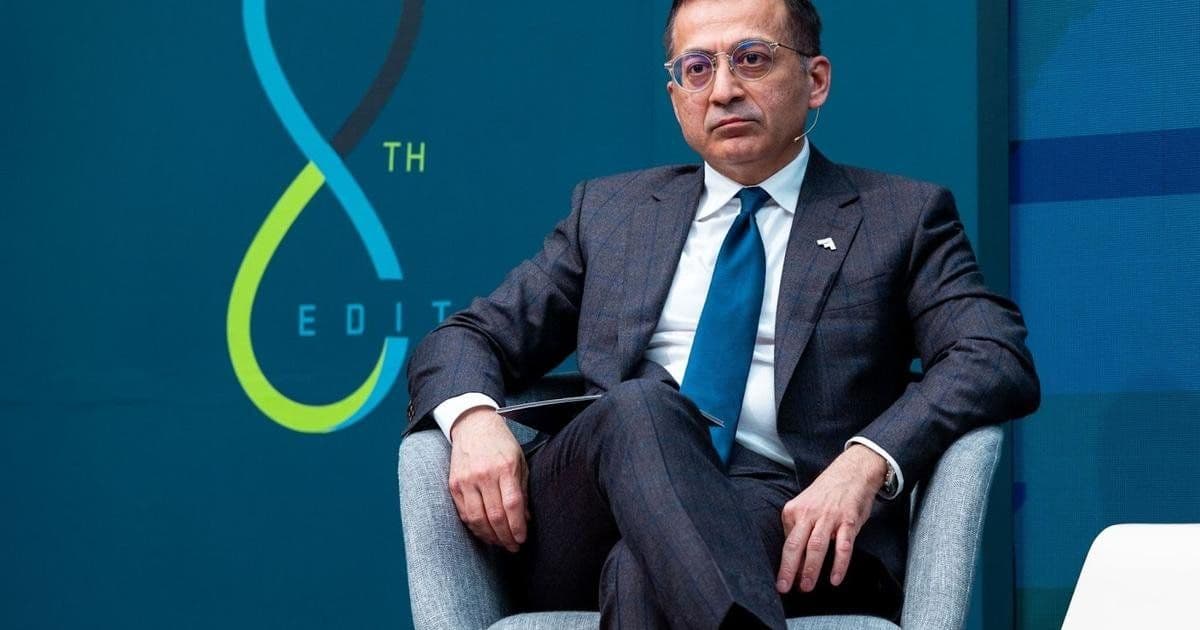
Alat, the Saudi sovereign wealth-backed electronics manufacturing fund, has removed CEO Amit Midha and reportedly dropped its plans to invest in semiconductor production, signaling a major strategic shift in the kingdom's tech investment approach.
The Saudi Arabian Public Investment Fund's ambitious $100 billion electronics manufacturing initiative, Alat, has undergone a significant leadership change and strategic pivot, according to multiple sources familiar with the matter.
Leadership Shakeup and Strategic Reassessment
Amit Midha, who was appointed as CEO of Alat in 2024 to lead the fund's aggressive push into electronics manufacturing, has been removed from his position. The departure comes amid reports that Alat has abandoned its plans to invest in semiconductor production, a cornerstone of the original strategy that was intended to position Saudi Arabia as a major player in the global chip industry.
The fund, launched with considerable fanfare as part of Saudi Arabia's Vision 2030 economic diversification plan, was initially positioned as a transformative force in electronics manufacturing. With backing from the kingdom's massive sovereign wealth reserves, Alat aimed to build a comprehensive semiconductor ecosystem from chip design through fabrication and packaging.
Industry Context and Market Realities
The strategic shift away from chip production reflects the challenging realities facing new entrants in the semiconductor industry. The global chip market is dominated by established players like TSMC, Intel, and Samsung, with barriers to entry including massive capital requirements, complex supply chains, and decades of accumulated expertise.
Recent market data underscores these challenges. TSMC reported Q1 2026 revenue up 35% year-over-year to approximately $35.6 billion, demonstrating the continued strength of established players even amid geopolitical tensions. Meanwhile, new entrants face not only technical hurdles but also intensifying geopolitical scrutiny over technology transfers and national security concerns.
Broader Tech Investment Landscape
The Alat development comes amid a period of significant flux in global technology investment. Other major players are also reassessing their strategies:
- Amazon is working on "Project Houdini," aiming to revolutionize data center construction through modular pre-assembly techniques
- Cisco is reportedly in talks to acquire Tel Aviv-based Astrix Security for between $250 million and $350 million to bolster its AI security capabilities
- Blackstone has filed for an IPO of a new data center acquisition vehicle targeting approximately $2 billion in capital
Regional Tech Ambitions
The Saudi pivot mirrors broader regional dynamics in technology investment. While the kingdom scales back its chip ambitions, other Middle Eastern players continue to pursue aggressive tech strategies. The UAE's G42 and similar entities remain active in AI and semiconductor partnerships, though often focusing on specific niches rather than full-stack manufacturing.
Implications for Global Tech Supply Chains
The withdrawal of Alat from chip production plans represents a missed opportunity for geographic diversification in semiconductor manufacturing. With ongoing concerns about supply chain resilience following COVID-19 disruptions and geopolitical tensions, the absence of new major players could maintain pressure on existing manufacturers and potentially limit options for countries seeking to reduce dependence on dominant suppliers.
Looking Forward
While Alat's chip ambitions appear shelved, the fund's substantial resources and strategic importance to Saudi Arabia suggest it will likely pivot to other technology sectors. Potential areas could include electronics assembly, software development, or specialized manufacturing where the kingdom might achieve more immediate competitive advantages.
The leadership change and strategic reassessment at Alat highlight the gap between ambitious technology investment announcements and the practical challenges of execution in capital-intensive, technically complex industries. As Saudi Arabia continues its economic diversification efforts, the experience with Alat may inform more targeted approaches to technology sector development.
For the global semiconductor industry, the development removes a potential new competitor but also eliminates a possible source of incremental capacity growth. The industry will likely continue to grapple with balancing geopolitical pressures, supply chain security, and the enormous costs of expanding manufacturing capacity in an increasingly complex global environment.
Related Developments in Tech Investment
- Blackstone's data center IPO filing signals continued investor appetite for infrastructure supporting AI growth
- Amazon's modular data center approach could accelerate construction timelines and reduce costs
- Cisco's potential Astrix Security acquisition reflects growing emphasis on AI security as autonomous systems proliferate
The Alat situation serves as a reminder that even with substantial financial backing, breaking into established technology sectors requires not just capital but also deep technical expertise, strategic patience, and often favorable geopolitical conditions that may not materialize as expected.
Comments
Please log in or register to join the discussion