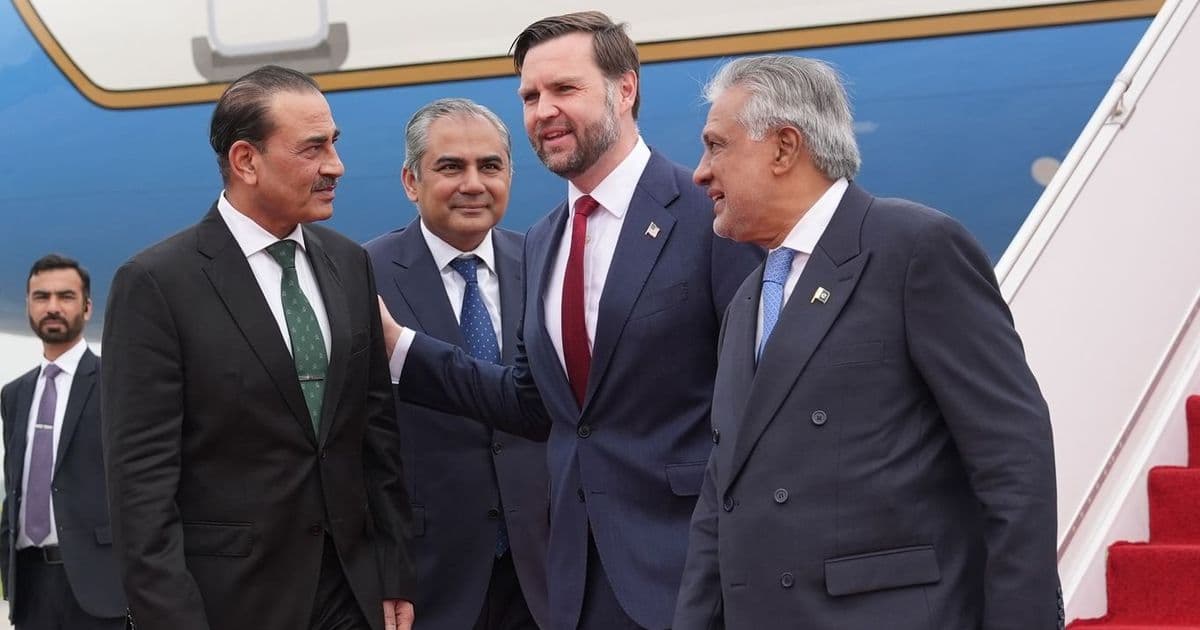
High-stakes diplomatic talks between the U.S. and Iran are taking place in Pakistan, marking a significant shift in regional diplomacy and potentially reshaping Middle East dynamics.
Direct negotiations between the United States and Iran have commenced in Pakistan, marking a significant diplomatic development in the Middle East. The talks, which began earlier this week, represent the first face-to-face discussions between the two nations in several years.
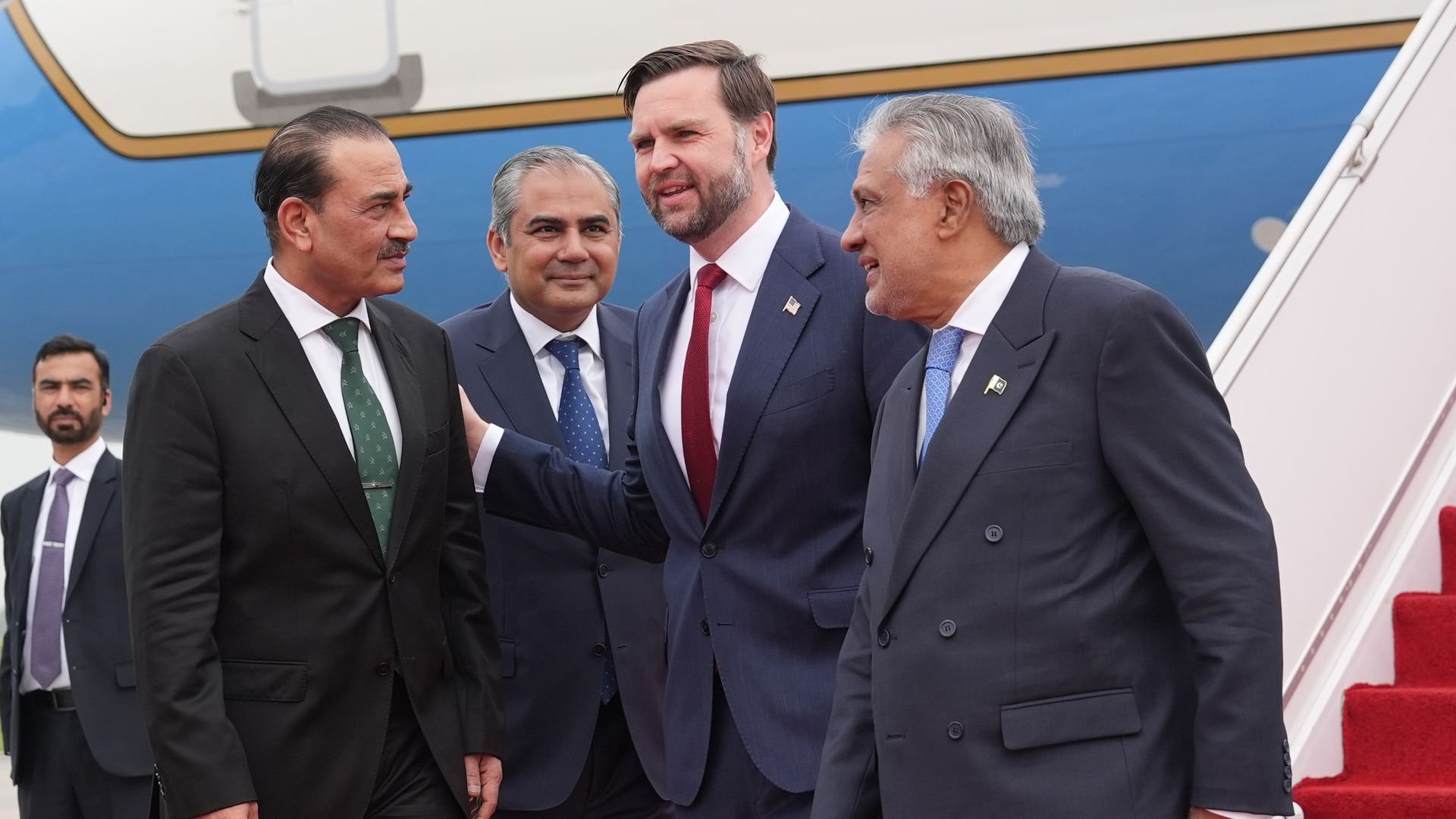
The negotiations are being held in Islamabad, with delegations from both countries led by senior officials. While details remain scarce due to the sensitive nature of the talks, sources indicate that the discussions are focusing on several key issues, including nuclear program concerns, regional security, and potential sanctions relief.
This diplomatic engagement comes at a critical juncture, as tensions in the region have escalated in recent months. The talks are being facilitated by Pakistani officials, who have historically maintained relationships with both nations and have served as intermediaries in previous diplomatic efforts.
The timing of these negotiations is particularly noteworthy, coinciding with the arrival of U.S. Vice President Vance in Pakistan for a scheduled diplomatic visit. While the vice president's visit was planned independently of the negotiations, the concurrent timing has raised questions about potential coordination between the two diplomatic efforts.
Regional analysts suggest that the talks could signal a potential thaw in U.S.-Iran relations, which have been strained since the U.S. withdrawal from the nuclear deal in 2018. The negotiations also come amid growing concerns about nuclear proliferation in the region and the need for renewed diplomatic channels to address security challenges.
Economic implications are also at play, as both nations seek to address sanctions-related issues that have impacted trade and financial transactions. The talks may explore potential pathways for economic engagement, though significant obstacles remain given the complex history between the two countries.
The international community is closely monitoring these developments, with particular interest from European allies who were parties to the original nuclear agreement. The success or failure of these talks could have far-reaching implications for regional stability and global non-proliferation efforts.
As the negotiations continue, both sides have maintained a cautious public stance, emphasizing the exploratory nature of the discussions while acknowledging the challenges ahead. The coming weeks will be crucial in determining whether these talks can yield substantive progress or if they will follow the pattern of previous diplomatic efforts that ultimately stalled.
Comments
Please log in or register to join the discussion