After 88 days of near-total disconnection, Iran has begun reconnecting to the global internet, but with continued content filtering and restrictions on platforms like WhatsApp, leaving citizens in a digital limbo that raises significant privacy and data protection concerns.
Iran's government has initiated a gradual restoration of internet connectivity after one of the longest nationwide internet shutdowns in history. The move comes 88 days after the United States and Israel attacked Iran in February, which triggered a drastic reduction in internet traffic to just one percent of normal volumes. During this period, only a select group of mostly government and military users maintained access to the global internet.
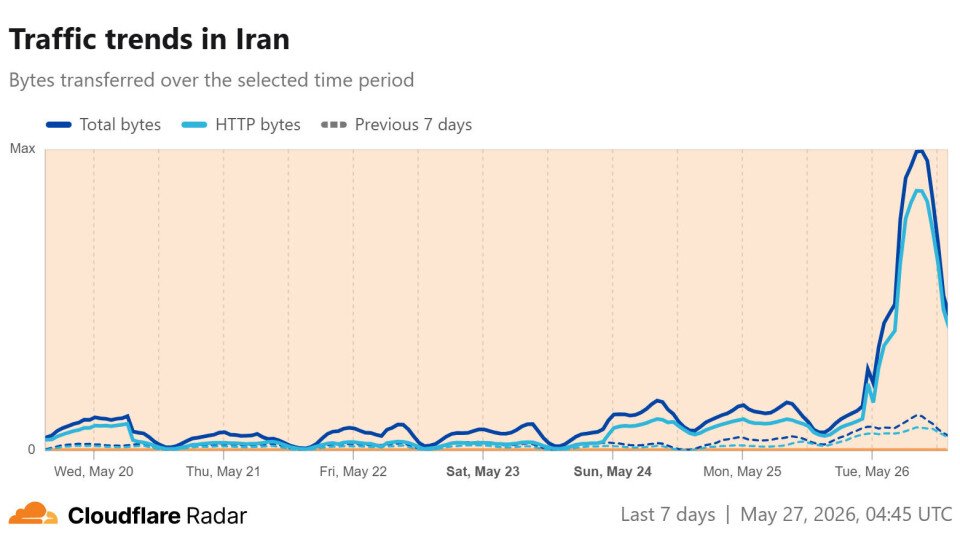
On Tuesday, Iran's vice-president Mohammad Reza Aref announced via X (formerly Twitter) that "the first step toward free and regulated access to cyberspace has been taken." Following this announcement, network observability organizations NetBlocks and Cloudflare both recorded substantial increases in traffic flowing to and from Iran, marking the first significant connectivity in nearly three months.
The Nature of Iran's Internet Shutdown
Internet analysts have characterized Iran's disconnection as particularly significant due to its duration and the methods employed. Doug Madory, an internet analyst, noted that "what makes this shutdown unique is Iran's use of an elaborate system to selectively allow internet access for some favored individuals and organizations, while blocking the internet for everyone else, a practice referred to as either whitelisting or a tiered internet."
This approach allowed the Iranian government to maintain control over information flow while appearing to provide some level of connectivity. The system effectively created a two-tiered internet where ordinary citizens remained largely disconnected from the global network, while privileged groups maintained access.
The disconnection lasted longer than Libya's six-month shutdown in 2011, but affected a population 15 times larger. According to Kentik, a network observability firm, this represents one of the most extensive internet shutdowns in terms of affected users.
Regulatory and Privacy Implications
From a data protection perspective, Iran's tiered internet approach raises significant concerns about digital rights and privacy. The selective access system essentially created a surveillance infrastructure where the government could monitor communications of those granted access while preventing ordinary citizens from accessing uncensored information or communicating freely with the outside world.
This situation directly impacts several fundamental principles found in major data protection regulations like the EU's General Data Protection Regulation (GDPR) and California's Consumer Privacy Act (CCPA):
Right to access information: Citizens were denied access to global information networks, limiting their ability to access diverse viewpoints and information.
Right to privacy: The tiered system created a surveillance environment where the government could monitor privileged users' communications.
Data subject rights: The shutdown prevented citizens from exercising control over their personal data and how it's shared globally.
Current State of Connectivity
While Iran has begun reconnecting to the global internet, reports indicate that content filtering remains in place, though it "can be worked around." More concerning is that Iran's government has now restricted access to Meta's messaging service WhatsApp, further limiting citizens' ability to communicate freely.
The government has framed the initial disconnection as a "national security measure," a justification commonly used by governments during conflicts and internal protests. Such shutdowns typically serve dual purposes: preventing citizens from sharing information about the state of affairs with the world and making it more difficult for potential cyber attackers to operate.
Vice-president Aref claimed that resuming connection would mean "smart services will be streamlined … and the obstacles to knowledge-based development and scientific authority will be removed." However, the government provided no explanation for why it decided to end the outage at this particular time, and reports suggest that Iranian officials remain divided on the issue of fully restoring connectivity.
International Perspective on Internet Shutdowns
Iran's approach to internet connectivity is part of a troubling global trend of governments using internet shutdowns as political tools. According to Cloudflare's analysis of the first quarter of 2026, "autocrats, wars and elections caged the internet" with numerous instances of connectivity restrictions worldwide.
From a regulatory standpoint, such shutdowns represent a significant challenge to the principle of an open and accessible internet. While governments cite security concerns, the long-term impact on economic development, human rights, and democratic discourse is substantial.
The restoration of internet access in Iran, even if partial and regulated, may signal a recognition of the economic and social costs of prolonged disconnection. However, the continued restrictions on platforms like WhatsApp and the persistence of content filtering suggest that the government is seeking a middle ground between connectivity and control.
Future Outlook
The gradual restoration of internet access in Iran raises important questions about the future of digital governance and the balance between national security and digital rights. As the government reportedly remains divided on the issue of full connectivity, citizens may continue to navigate a digital landscape where access is limited and monitored.
For the international community, Iran's experience serves as a case study in the challenges of maintaining an open internet in an era of increasing geopolitical tensions and digital authoritarianism. The situation underscores the need for robust international frameworks that protect digital rights while addressing legitimate security concerns.
As Iran moves forward with its "regulated access to cyberspace," the world will be watching to see whether this represents a genuine shift toward greater digital freedom or merely a recalibration of control mechanisms in a connected world.
For more information on internet connectivity patterns, you can explore Cloudflare Radar, which provides real-time insights into global internet traffic and connectivity issues.
Comments
Please log in or register to join the discussion