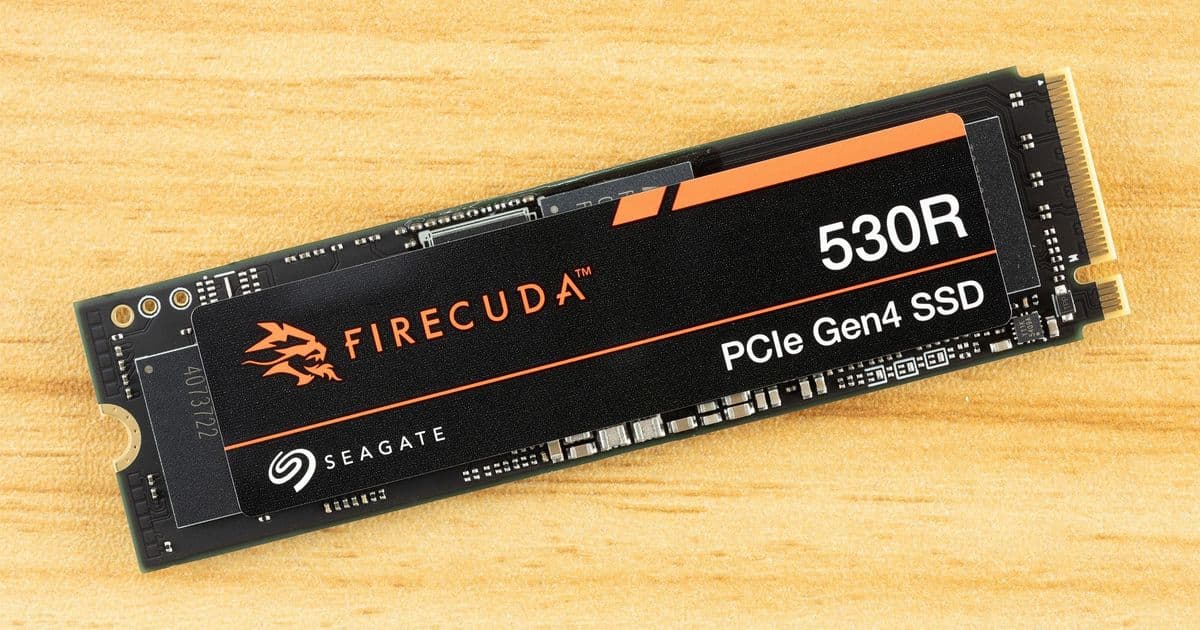
The Seagate FireCuda 530R delivers exceptional reliability and workstation-grade performance with its Phison E18 controller, Kioxia BiCS6 flash, and industry-leading TBW ratings, making it a compelling choice for power users despite using slightly older hardware.
The Seagate FireCuda 530R represents a fascinating case study in how SSD manufacturers are evolving their product strategies. Rather than simply iterating on existing designs, Seagate has created a specialized variant of the FireCuda 530 that prioritizes reliability and sustained performance over cutting-edge specifications. This approach speaks to a growing segment of users who value consistency and peace of mind over raw peak numbers.
The Reliability-First Philosophy
What immediately sets the FireCuda 530R apart is Seagate's commitment to data protection. The drive comes bundled with a 3-year Rescue Data Recovery Services warranty, which is exceptional in the consumer SSD market. This service can potentially recover data from drives that have suffered physical failures, a scenario where traditional SSDs often become write-only devices. For professionals and enthusiasts who can't afford data loss, this alone justifies the drive's existence.
The TBW (Terabytes Written) endurance ratings are equally impressive. At 2,400TBW for the 2TB model, the drive offers roughly double the endurance of competing drives. This translates to approximately 1,262.5TBW per TB of capacity, making it suitable for workstation workloads that involve constant large file transfers, video editing, or database operations. The five-year warranty further reinforces Seagate's confidence in the drive's longevity.
Performance That Surprises
Despite using the Phison E18 controller - hardware that's now several generations old - the FireCuda 530R delivers performance that exceeds expectations. The drive achieves sequential read speeds of up to 7,400 MB/s and writes of 6,900 MB/s for the 2TB model. More impressive are the random performance figures: 1,300K IOPS for both reads and writes across all capacities.
These numbers are particularly noteworthy because they suggest this isn't a budget-oriented drive. Most consumer SSDs optimize for peak sequential performance, but the 530R's balanced specification indicates it's designed for mixed workloads where consistent performance matters more than occasional bursts of speed. The random performance is considerably higher than other drives using the same controller, including Seagate's own FireCuda 530.
The Hardware Story
Under the hood, the FireCuda 530R uses Kioxia's 162-layer BiCS6 TLC NAND flash. This is interesting because it's not the latest generation - that would be Kioxia's 232-layer BiCS7 - but it's still a capable and proven technology. The drive uses 512Gb dies, with eight flash packages containing four dies each, totaling thirty-two dies. This configuration is optimal for the Phison E18's eight-channel architecture, providing four dies per channel for maximum parallelization.
The controller choice is also telling. The Phison E18, while not the newest available, has been thoroughly vetted in the market. Seagate's decision to use it suggests they prioritized reliability and maturity over chasing the latest specifications. The drive includes 2GB of DDR4 DRAM cache, maintaining the optimal 1GB:1TB ratio for consistent performance.
Power Efficiency Trade-offs
One area where the FireCuda 530R shows its age is power efficiency. The drive is rated for 8.6W under typical load, which is notably higher than newer SSDs using more advanced controllers and flash. During our testing, we observed peak power consumption around 8.8W. While this is within acceptable limits for most desktop systems, it could be a consideration for laptop users or those building energy-efficient systems.
This power draw is the primary downside of using older hardware. Controllers and flash have both become more efficient in recent generations, so users who prioritize power efficiency might want to look at newer options. However, for workstation users who keep their systems plugged in and value performance consistency over efficiency, this is a minor concern.
The Community Reputation Factor
It's worth addressing the mixed reputation the FireCuda 530R has developed in enthusiast communities. This stems from two issues with the Phison E18 controller: a stale data read bug that could cause occasional latency spikes, and a Windows update-related data corruption incident. Neither of these issues is specific to Seagate's implementation, and both have been addressed through firmware updates.
Seagate has generally been proactive about these issues, even working with Phison on I/O+ DirectStorage-optimized firmware. The company's track record with firmware updates and customer support suggests that any lingering concerns are likely overblown for current hardware.
Value Proposition
At the time of review, the 2TB FireCuda 530R was priced at $237.49. This positions it competitively against DRAM-less options like the TeamGroup MP44, despite offering superior specifications including DRAM cache and better endurance. The pricing strategy suggests Seagate is targeting users who want premium features without paying premium prices.
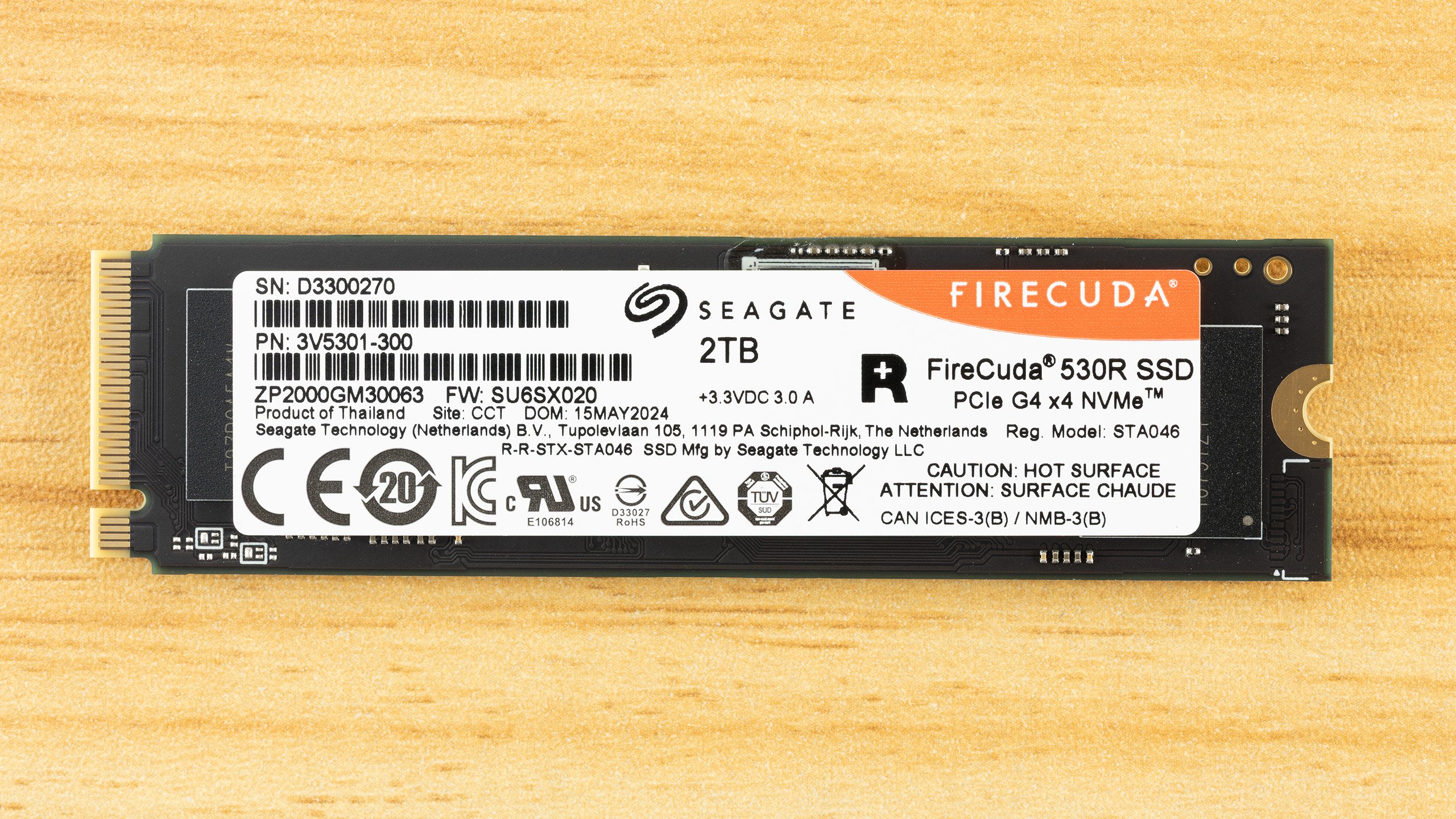
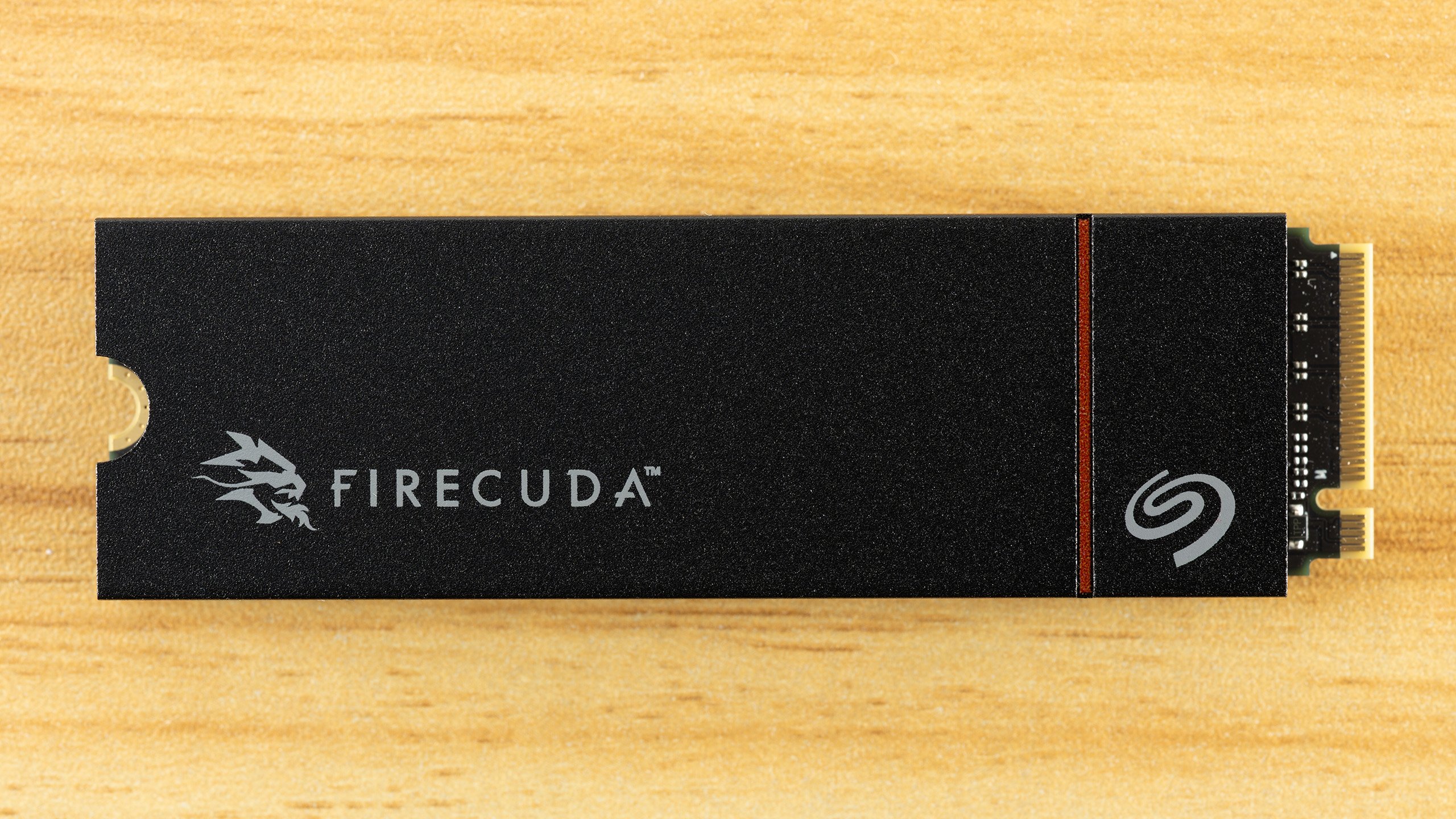
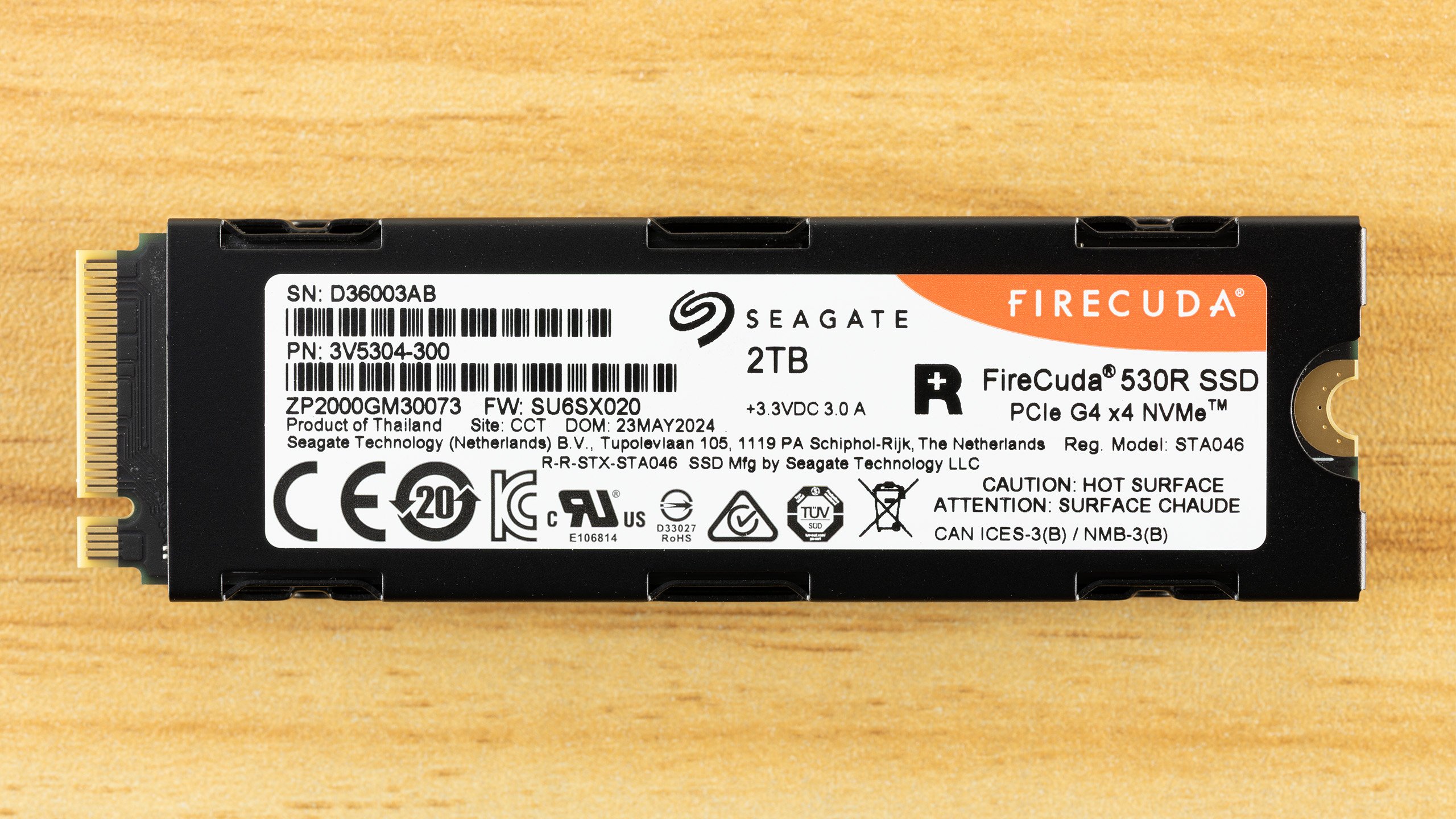
The bundled heatsink option adds further value. While not everyone needs it, the heatsink can help maintain performance during extended workloads and is particularly useful in systems with limited airflow. The drive is double-sided, so users need to ensure their heatsink solution can accommodate this form factor.
Who Should Buy This Drive?
The FireCuda 530R is ideal for:
- Workstation users who need high endurance for daily heavy workloads
- Content creators working with large video files or datasets
- Professionals who can't afford data loss and value recovery services
- Enthusiasts who prefer proven, reliable hardware over cutting-edge specifications
- Users building systems where consistent performance matters more than peak numbers
It's less suitable for:
- Laptop users where power efficiency is paramount
- Budget builds where cost per gigabyte is the primary concern
- Users who need the absolute latest technology
- Systems with severe cooling constraints that can't accommodate a double-sided drive
Final Thoughts
The Seagate FireCuda 530R represents a mature approach to SSD design. Rather than chasing the latest specifications, Seagate has created a drive that excels in reliability, endurance, and consistent performance. The combination of exceptional TBW ratings, data recovery services, and balanced performance specifications makes it particularly well-suited for workstation and professional use cases.
While the use of older hardware means it's not the most power-efficient option available, this is a minor trade-off for users who prioritize reliability and consistent performance. The competitive pricing and bundled heatsink option further enhance its value proposition. For users who need a drive that can handle heavy workloads day after day without compromise, the FireCuda 530R deserves serious consideration.
Comments
Please log in or register to join the discussion