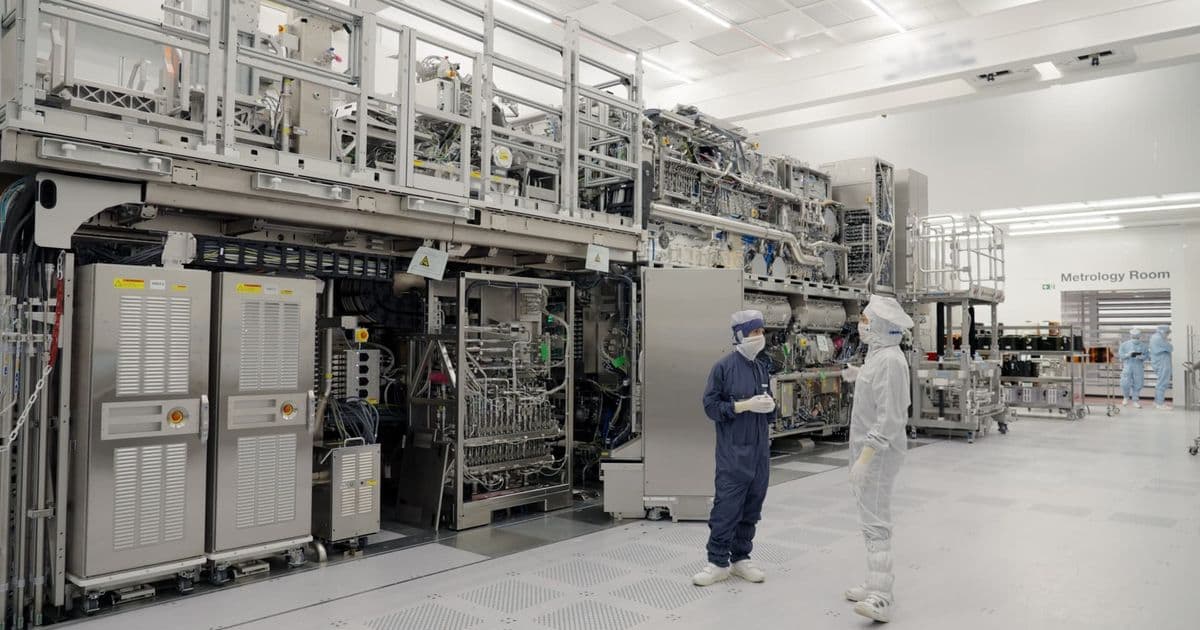
As ASML projects growing dependence on Chinese chip demand, OpenAI launches researcher tools - revealing competing priorities in tech's next phase.
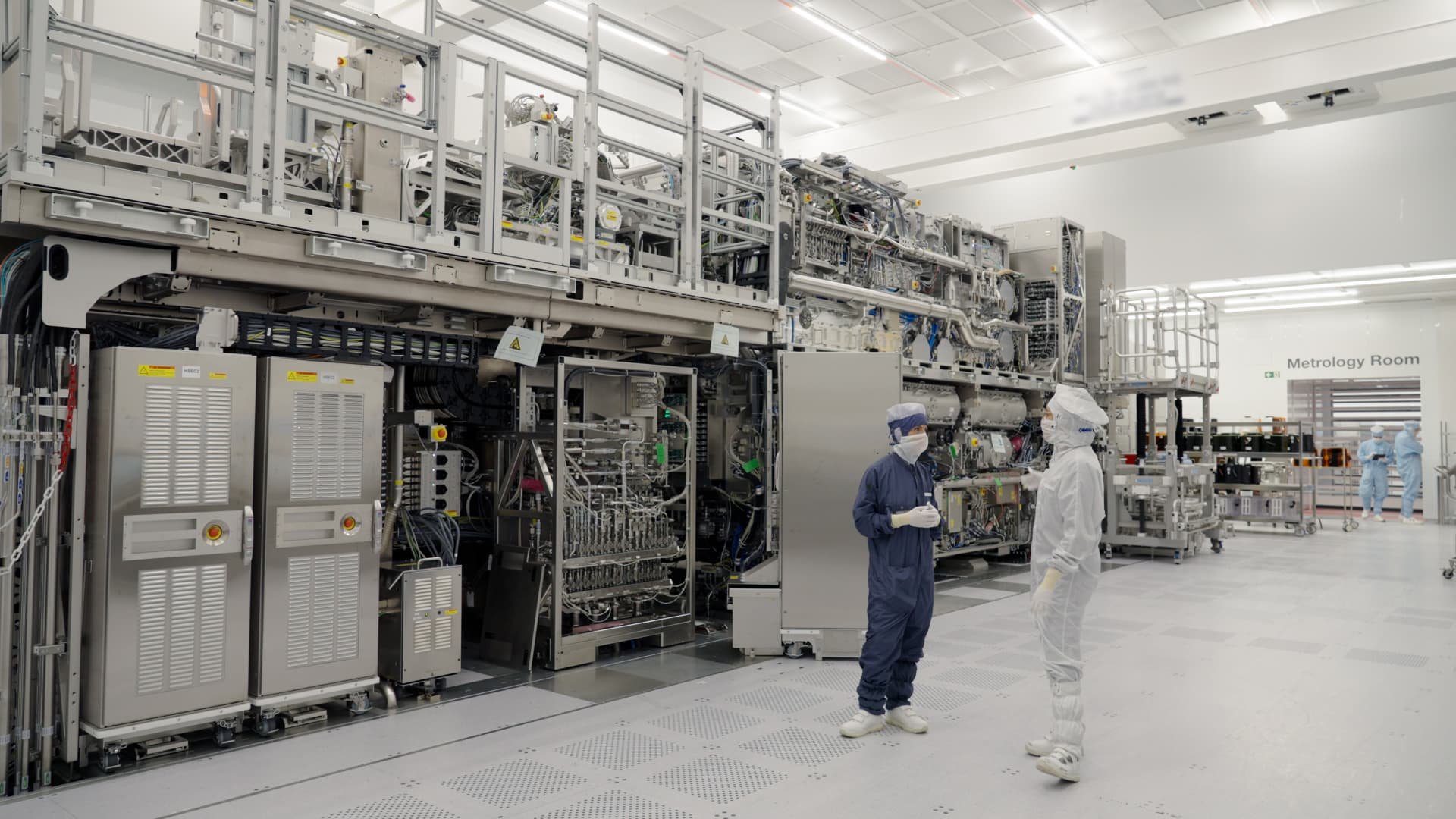
The technology sector is exhibiting divergent growth strategies as key players navigate geopolitical constraints and scientific ambitions. Two developments this week highlight these parallel trajectories:
1. ASML's Calculated China Bet The Dutch semiconductor equipment maker ASML reported stronger-than-expected Q4 bookings (€13.2B vs €6.32B est.) while projecting China will account for 20% of its 2026 sales. This comes despite:
- Ongoing US export restrictions on advanced chipmaking tools
- 28% quarterly profit decline due to R&D investments
- Geopolitical risks highlighted by recent Taiwan tensions
Community reactions reveal divided perspectives: Supportive View: "China's mature node expansion creates durable demand," argues Bernstein analyst Sara Russo, noting ASML's deep-tech moat. Skeptical View: Semiconductor advisor Paul Triolo warns of "margin compression as Chinese foundries demand localization concessions."
2. OpenAI's Research Incursion The AI lab unveiled Prism, a free LaTeX editor integrated with GPT-5.2 for scientific paper drafting. This follows OpenAI's:
- Recent $30B SoftBank investment talks
- Creation of dedicated "OpenAI for Science" team
- Push into technical domains like protein folding
Academic responses are mixed: Adoption Signal: MIT researchers report 40% time savings in paper preparation during beta testing. Critique: Stanford's Dr. Lena Yu contends "automated citation risks eroding foundational literature review skills."
These developments underscore tech's bifurcated evolution - hardware giants balancing geopolitical realities while AI labs pursue vertical expansion. As OpenAI's Mark Chen told Nature: "We're not replacing researchers, we're removing friction." Yet ASML's China dilemma illustrates how even technology leaders remain subject to macro constraints. The coming years will test whether scientific ambition can coexist with supply chain pragmatism.
Comments
Please log in or register to join the discussion