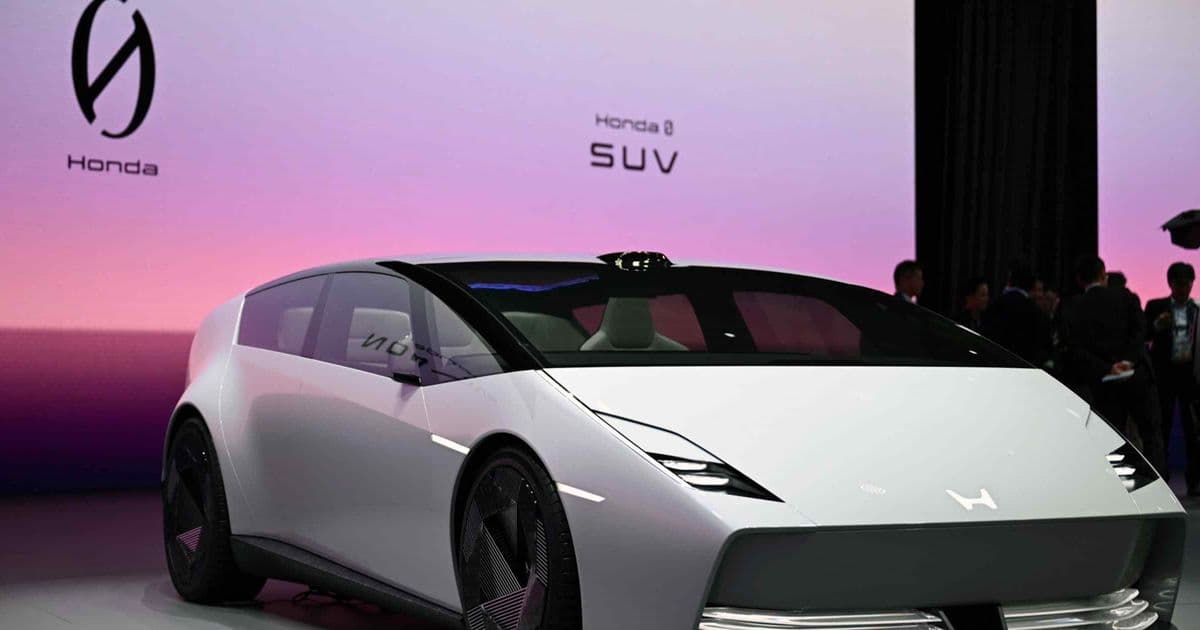
Honda Motor will pay suppliers up to $10.6 billion in compensation after scrapping three electric vehicle models, marking one of the largest EV strategy reversals in the automotive industry.
Honda Motor is facing a massive financial reckoning as it prepares to pay suppliers as much as 1.7 trillion yen ($10.6 billion) in compensation for abandoning development of three electric vehicles. The Japanese automaker's decision to scrap its 0 Series Saloon and two other EV models represents a dramatic pivot in strategy that could cost the company a total of 2.5 trillion yen in losses.
The scale of Honda's reversal is staggering. The payments to suppliers who had been preparing for production represent one of the largest compensation packages ever seen in the automotive industry for a canceled product line. This move comes as Honda reassesses its electric vehicle strategy in the face of changing market conditions and mounting pressure from investors.
The EV Strategy That Failed
The scrapped vehicles were part of Honda's ambitious 0 Series EV lineup, which the company had positioned as a cornerstone of its electric future. The 0 Series Saloon, in particular, was meant to showcase Honda's vision for premium electric vehicles. However, development has now been halted, leaving suppliers who had invested in tooling and components for these models facing significant losses.
This isn't happening in isolation. Honda's struggles come amid broader challenges in the EV market, including the impact of Trump-era tariffs that have cost Japanese automakers an estimated $13 billion in profits. The company is also facing potential sell-offs by Japanese and US funds amid its EV struggles, highlighting the financial pressure mounting on traditional automakers trying to transition to electric vehicles.
Market Context and Industry Implications
The Honda reversal reflects a growing trend among automakers reassessing their EV strategies. While companies like Tesla continue to push forward, traditional manufacturers are finding the transition more challenging than anticipated. The high costs of EV development, uncertain consumer demand, and supply chain complexities are forcing companies to reconsider their timelines and product plans.
Honda's situation is particularly notable given its historical reputation for engineering excellence and innovation. The company had been positioning itself as a leader in the EV space, making this reversal all the more significant. It suggests that even well-resourced automakers with strong technical capabilities are struggling to navigate the rapidly evolving electric vehicle landscape.
What This Means for the Industry
The scale of Honda's write-down and supplier compensation could have ripple effects throughout the automotive supply chain. Suppliers who invested based on Honda's EV plans may become more cautious about committing to future electric vehicle projects, potentially slowing the industry's overall transition to electric mobility.
For investors, Honda's move serves as a stark reminder of the financial risks associated with EV development. The 2.5 trillion yen total cost represents a significant hit to the company's balance sheet and could impact its ability to invest in other areas of its business.
Looking Ahead
Honda's decision to abandon these EV models doesn't mean the company is giving up on electric vehicles entirely. Rather, it appears to be a strategic recalibration. The automaker is likely reassessing which EV projects make financial sense and which may need to be delayed or reimagined.
This could signal a broader shift in the industry toward more measured approaches to EV development, with companies focusing on profitability rather than simply pursuing market share in the electric vehicle space. As Honda and other traditional automakers navigate this transition, the coming years will likely see more strategic pivots as companies attempt to find sustainable paths to electrification.
For now, Honda's $10.6 billion write-down stands as one of the most expensive strategic reversals in automotive history, a cautionary tale about the challenges of transitioning to electric vehicles in an uncertain market environment.
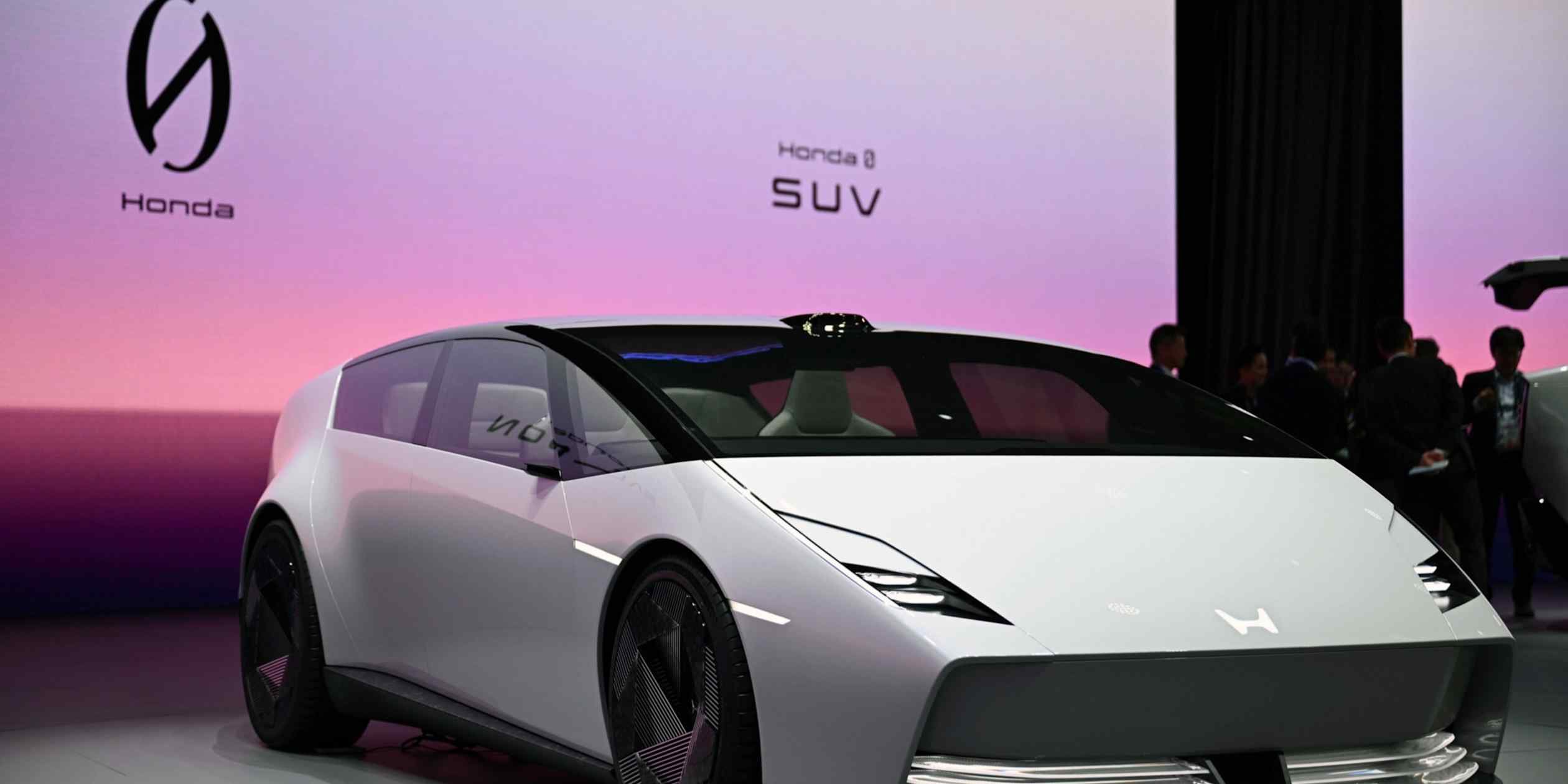
The featured image shows Honda's 0 Series Saloon, one of the three EV models whose development has been scrapped, resulting in massive compensation payments to suppliers.
Comments
Please log in or register to join the discussion