DRAM and NAND prices have skyrocketed, forcing organizations to rethink server purchasing strategies. This guide provides actionable tips for navigating the 2026 server market.
If you are in the market for new servers in 2026, you have probably already noticed that something feels off. Prices are up, lead times are stretched, and the cost dynamics that governed your purchasing decisions just a year or two ago have fundamentally shifted. This is not your imagination. Instead, this is the reality of a server market grappling with significant component shortages and pricing pressures that show no signs of abating in the second half of this year.
For folks planning and buying infrastructure, the challenge is clear: how do you provision the computing resources your organization needs when the economics have been turned on their head? The answer lies in strategy, specifically, in rethinking some of the assumptions that may have guided your hardware decisions in previous years. From timing your purchases strategically to reconsidering whether you truly need dual-socket configurations, there are concrete steps you can take to navigate this challenging landscape.
The Problem: Component Prices Are Sky High
Let us start with the uncomfortable truth. DRAM pricing has reached levels that would have been unthinkable just a few years ago. Some chief information officers are now reporting they are paying seven to eight times what they paid for equivalent memory modules in previous cycles. That is not a minor increase it is a fundamental shift in the cost structure of server procurement.
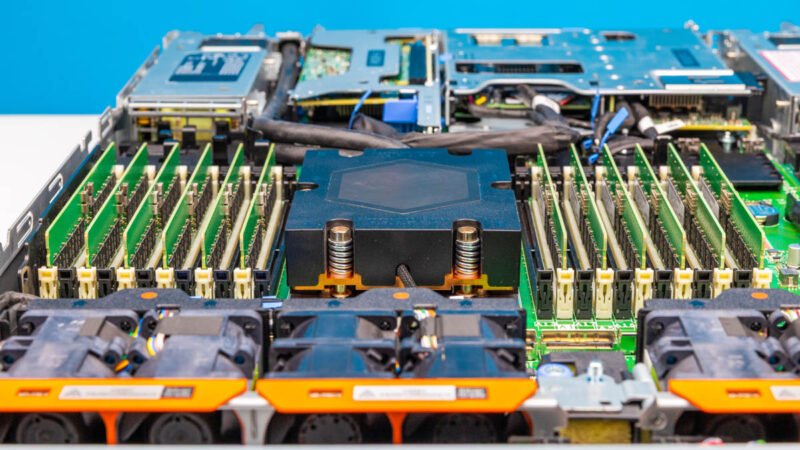
Dell PowerEdge R6715 RDIMMs 2
The NAND market is not any better. As flash memory manufacturers continue to navigate supply chain constraints and shifting demand patterns driven by the AI boom, pricing has become increasingly unfavorable for buyers. The era of abundant, cheap solid-state storage appears to be on hiatus, and organizations need to factor this into their hardware planning.
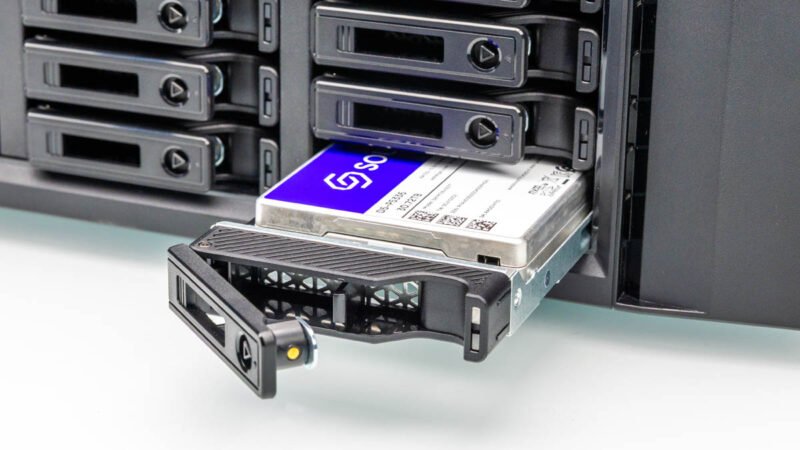
QNAP TS H1290FX SSD Tray 4
Perhaps most concerning is that there is no end in sight. We keep hearing that pricing pressures will persist through the remainder of 2026, meaning this is not a situation where waiting a few months will yield better results. If you need servers, the math increasingly favors acting now rather than hoping for a market correction that may not arrive until 2027 or later.
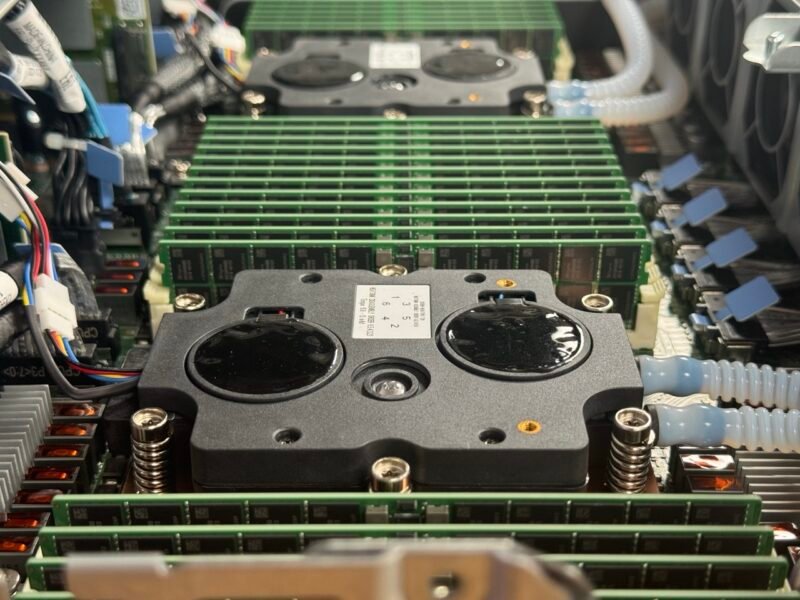
AMD Volcano Turin Platform Populated
This creates a fundamental challenge: organizations still need computing infrastructure to run their operations, pursue new initiatives like AI deployment, and replace aging hardware that has reached the end of its life. The solution is not to simply defer all purchases indefinitely. That strategy eventually catches up with you in the form of failing hardware, security vulnerabilities, and missed opportunities. Instead, it is about being smarter with how you approach your purchasing decisions.
Buy Earlier Rather Than Later
One of the most straightforward strategies in a high-price environment is to reconsider your timing. Most organizations operate on annual or quarterly budget cycles, and there is nothing unusual about that. It is simply how corporate finance works. However, this creates predictable patterns in the server market, with end-of-quarter periods traditionally offering the best opportunities for negotiated discounts.
If your memory and storage requirements are relatively modest, say, DRAM and NAND comprise less than a quarter of your total bill of materials, it may make sense to time your purchases for end-of-quarter discounting windows. Many organizations deploy servers for purposes like Active Directory infrastructure, where the workload does not require extensive memory channels or massive storage footprints. These deployments might only need a few CPU cores and perhaps 16GB RDIMMs, making them prime candidates for strategic timing.
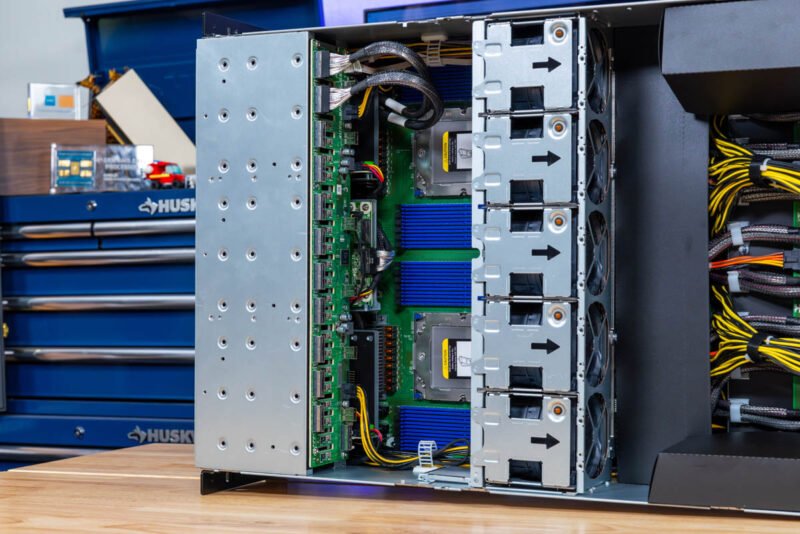
ASRock Rack 4U8G TURIN2 Internal Overview Backplane View
But here is the crucial distinction: if your workloads are DRAM-heavy or NAND-intensive, waiting for discounts is likely a mistake this year. The economics have flipped. SSDs and RDIMMs are increasing in price, and the idea that you can negotiate meaningful discounts on components that are themselves appreciating in value is challenged this year. There is no discount required when demand outstrips supply and prices are already moving upward.
Here is a concrete example of how this plays out. Consider organizations deploying servers where 80% or more of the bill of materials cost is tied up in NAND and DRAM. Those components will increase in price both within the quarter and throughout the year. The smart move is to lock in pricing as early as possible rather than hoping for concessions that will not materialize.
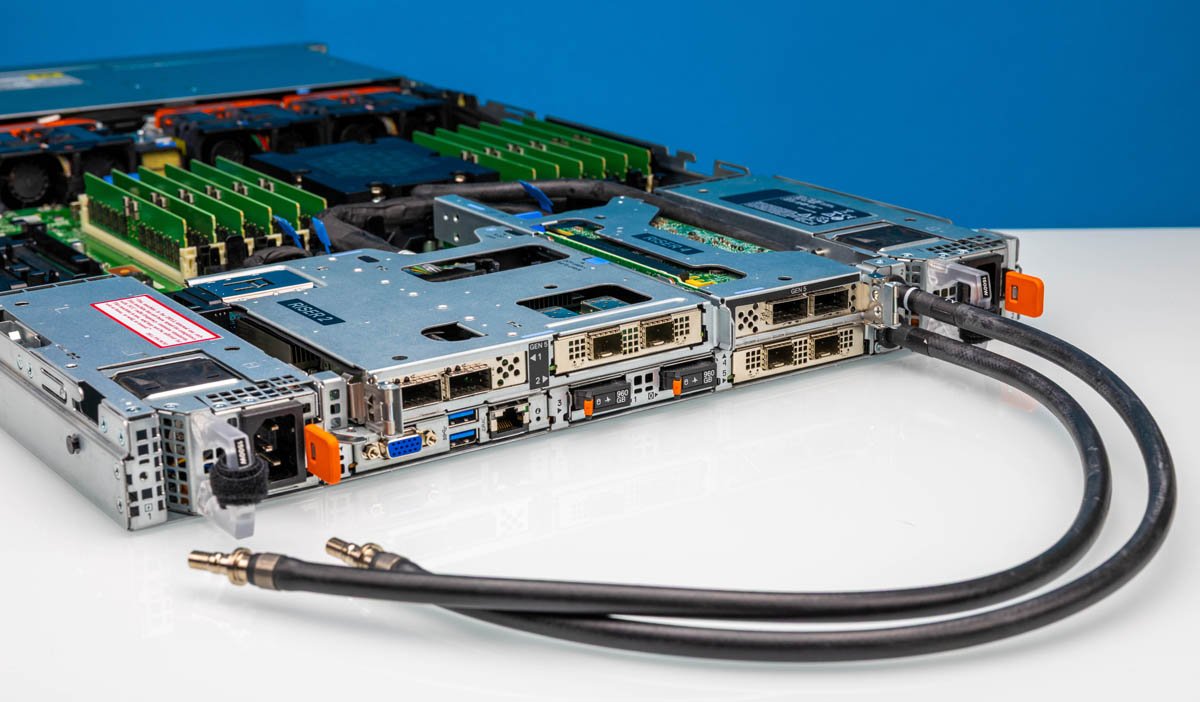
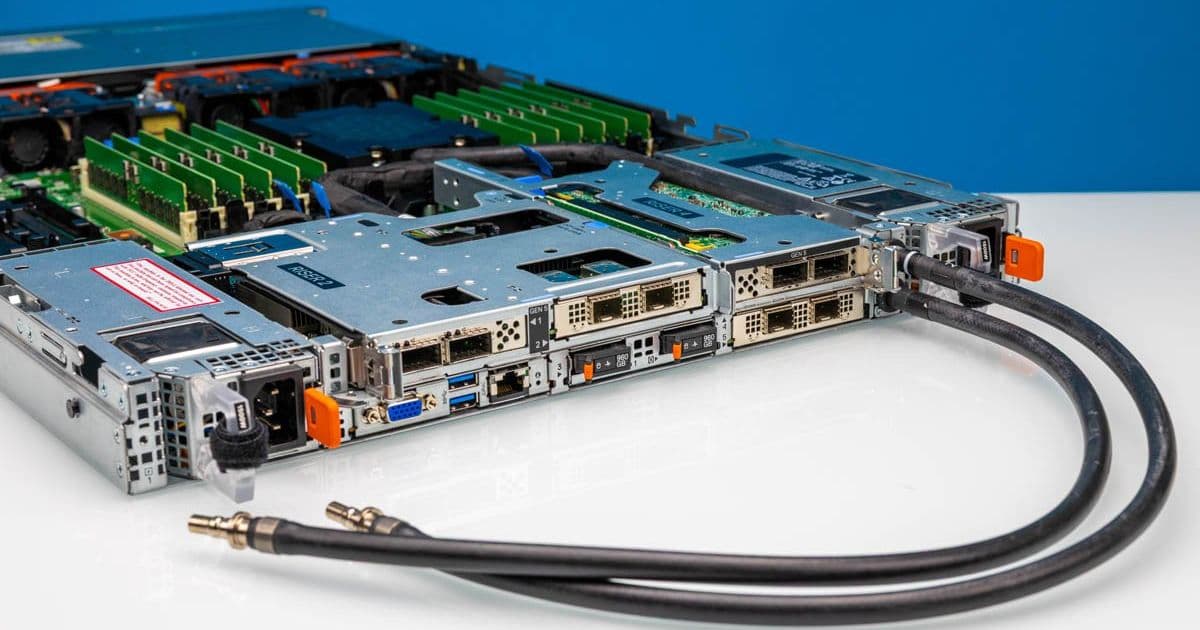
Dell PowerEdge R6715 Liquid Cooled Rear 1
It is also worth noting that quote durations are shrinking. Even getting a price quote valid for 30 days is becoming more challenging as vendors and distributors adjust to market conditions. We at STH have heard from numerous members who have seen price increases exceeding 30% within just a few weeks. That is not hypothetical, it is happening right now.
Our recommendation at STH is straightforward. If you have budget available and you know what you will need over the next 12 to 18 months, strongly consider purchasing in the first quarter of 2026. Yes, it feels aggressive, but when prices are rising this rapidly, the math favors acting now rather than waiting.
Rethinking Configuration Choices
The current market conditions also present an opportunity to reconsider some fundamental assumptions about server architecture. Dual-socket configurations have long been the default for many enterprise deployments, but they come with significant cost premiums in the current environment.
Single-socket systems based on AMD EPYC processors offer compelling alternatives, particularly for workloads that do not require the absolute maximum core count. The cost savings can be substantial when you factor in the reduced memory requirements and the elimination of the second CPU license costs.
Dell PowerEdge R6715 Liquid Cooled Rear 1
For many organizations, the sweet spot lies in carefully matching the CPU configuration to the actual workload requirements rather than defaulting to the most powerful option available. This approach not only saves money but also reduces power consumption and cooling requirements, creating additional operational savings.
Strategic Vendor Relationships
In a constrained market, the quality of your vendor relationships becomes even more critical. Organizations with established procurement channels and strong vendor partnerships are finding it easier to secure allocations and negotiate favorable terms.
This is not just about getting better prices. It is about ensuring you can actually get the hardware you need when you need it. Lead times that were measured in weeks are now stretching to months for certain configurations, and having a vendor who prioritizes your orders can make the difference between meeting your deployment timeline and missing critical business objectives.
The AI Infrastructure Opportunity
While the general server market is experiencing significant price pressure, there is an interesting dynamic at play in the AI infrastructure segment. Organizations building out AI training and inference capabilities are driving demand for high-performance GPUs and specialized accelerators, creating both challenges and opportunities.
The demand for AI-specific hardware has created a bifurcation in the market. While general-purpose servers are seeing price increases across the board, there are opportunities to optimize AI infrastructure deployments by carefully selecting CPU configurations that balance performance with cost-effectiveness.
AMD EPYC processors, in particular, are gaining market share in this segment due to their strong performance-per-dollar ratio and excellent memory bandwidth characteristics that benefit AI workloads. Organizations building AI infrastructure should carefully evaluate whether the latest generation CPUs offer meaningful advantages over slightly older but significantly less expensive options.
Long-term Planning Considerations
The current market conditions should prompt organizations to think more strategically about their long-term infrastructure planning. Rather than making reactive purchases to address immediate needs, this is an opportunity to develop a more comprehensive approach to capacity planning.
Consider building a multi-year roadmap that accounts for expected workload growth, technology refresh cycles, and the likelihood of continued component price volatility. This approach allows you to make more strategic purchasing decisions and potentially take advantage of bulk pricing for larger orders.
It also provides the opportunity to explore alternative deployment models. Cloud repatriation, hybrid cloud strategies, and even colocation arrangements might offer more cost-effective alternatives to traditional on-premises deployments in the current market environment.
Conclusion
The server market in 2026 presents significant challenges, but it also offers opportunities for organizations willing to think strategically about their infrastructure procurement. The key is to move beyond traditional purchasing patterns and embrace a more analytical approach to hardware selection.
By carefully timing purchases, reconsidering configuration choices, strengthening vendor relationships, and developing long-term planning strategies, organizations can navigate the current market conditions effectively. The goal is not just to survive the current price pressures but to emerge with a more efficient and cost-effective infrastructure that positions you for success in the years ahead.
The uncomfortable truth is that the server market has fundamentally changed, and the old rules no longer apply. Organizations that adapt their strategies to this new reality will find themselves at a significant advantage compared to those who continue to operate under outdated assumptions. The time to act is now, before the next wave of price increases makes an already challenging situation even more difficult.
Comments
Please log in or register to join the discussion