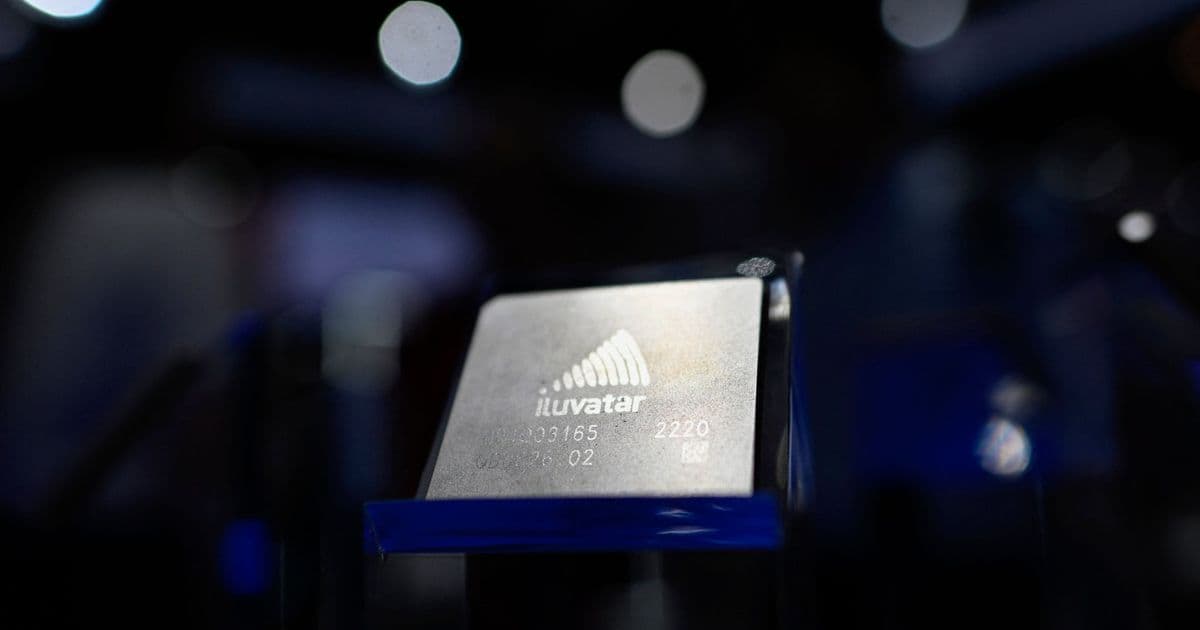
Chinese GPU designer Shanghai Iluvatar CoreX Semiconductor has unveiled a four-generation architecture plan aiming to surpass Nvidia's next-gen Rubin platform by 2027, signaling China's intensifying push for AI chip independence amid tightening US export controls.
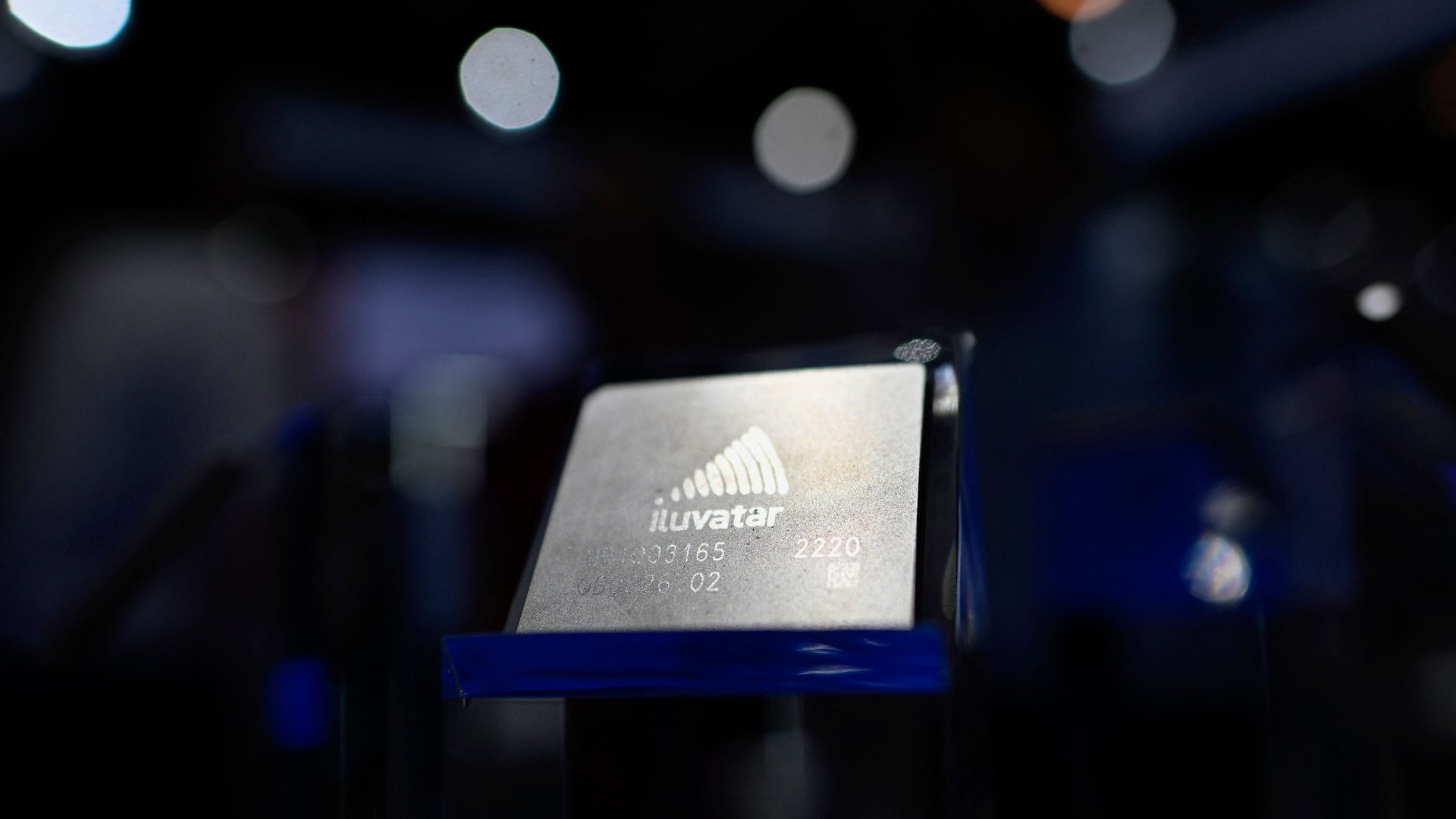
Shanghai Iluvatar CoreX Semiconductor, newly listed on the Hong Kong Stock Exchange, has declared war on Nvidia's AI dominance with a multi-year GPU roadmap targeting performance leadership by 2027. The company's four-phase architecture plan, named after stars in China's Big Dipper constellation, aims to deliver successive performance jumps that would culminate in surpassing Nvidia's Rubin platform within three years.
Architectural Arms Race
The roadmap outlines four GPU generations:
- Tianshu (2023): Claims 20% higher average performance than Nvidia's Hopper architecture in internal tests using DeepSeek V3 benchmarks, achieving >90% compute utilization through memory access optimization
- Tianxuan (2024): Positioned against Nvidia's Blackwell, with architectural refinements to reduce resource contention
- Tianji (2025): Projected to exceed Blackwell's performance through enhanced parallelism
- Tianquan (2027): Designed to outperform Rubin with a new tensor core design and memory hierarchy
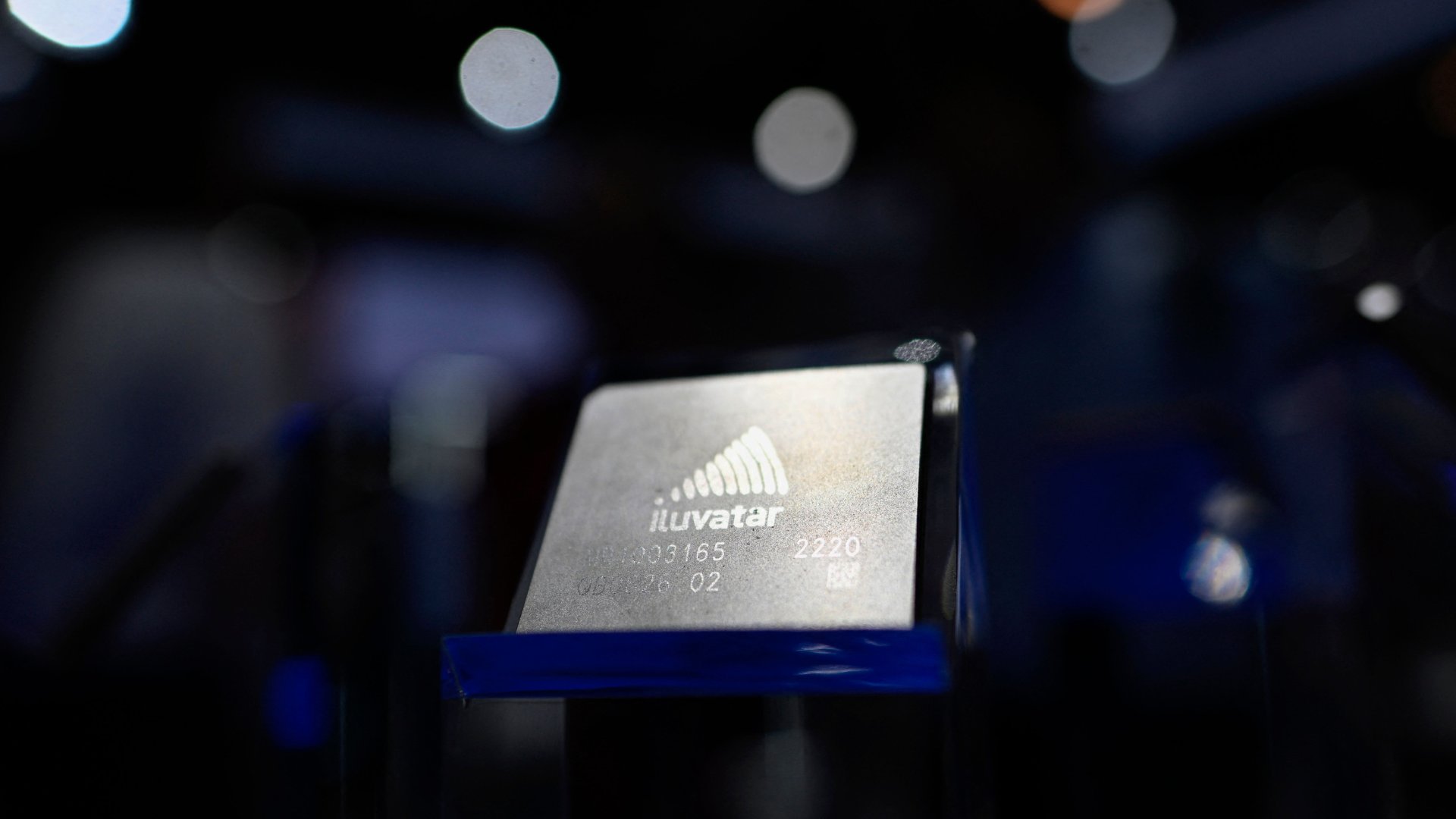
Iluvatar's current TG Gen2 GPU utilizes the Tianshu architecture. The Tianquan design (pictured) would require quadrupling performance-per-watt versus current generation.
Technical Differentiation
Iluvatar's architecture employs three novel techniques to challenge Nvidia:
- Dynamic Workload Partitioning: Allocates compute/memory resources in real-time across AI workloads
- Redundancy Elimination Engine: Reduces unnecessary memory accesses by 38% in transformer models
- Pipeline Reordering: Enables 92% utilization rates compared to industry average of 60-75%
The company has shipped 52,000 general-purpose GPUs in H1 2025, with its TG Gen3 entering mass production this quarter. Edge computing products in the Tongyang series claim 100-300 TOPS performance, though third-party verification remains pending.
Market Context
Iluvatar's $5.9B valuation comes as China accelerates domestic substitution:
- Export Control Impact: US restrictions blocked Nvidia's H200 shipments, creating $7B+ AI chip gap
- Government Backing: 45% of Iluvatar's R&D funded through National IC Investment Fund
- Vertical Integration: Partnership with SMIC for 7nm production of Tianji GPUs

Analyst Luke James notes: "While architectural claims require validation, Iluvatar's roadmap reflects China's $150B semiconductor investment strategy. Matching Rubin would require 3nm production capabilities China currently lacks."
Strategic Implications
The 2027 target coincides with China's "Made in China 2025" semiconductor self-sufficiency goals. Success would require:
- Advanced packaging breakthroughs to compensate for lithography limitations
- Software ecosystem development to challenge CUDA's dominance
- Yield improvements at domestic fabs
With Nvidia CEO Jensen Huang's recent China visit underscoring market tensions, Iluvatar's roadmap demonstrates how geopolitical factors are reshaping global semiconductor competition. Whether architectural ambition can overcome process technology gaps remains the critical unknown.
Sources: Hong Kong Stock Exchange Filing, South China Morning Report, CSET Semiconductor Analysis
Comments
Please log in or register to join the discussion