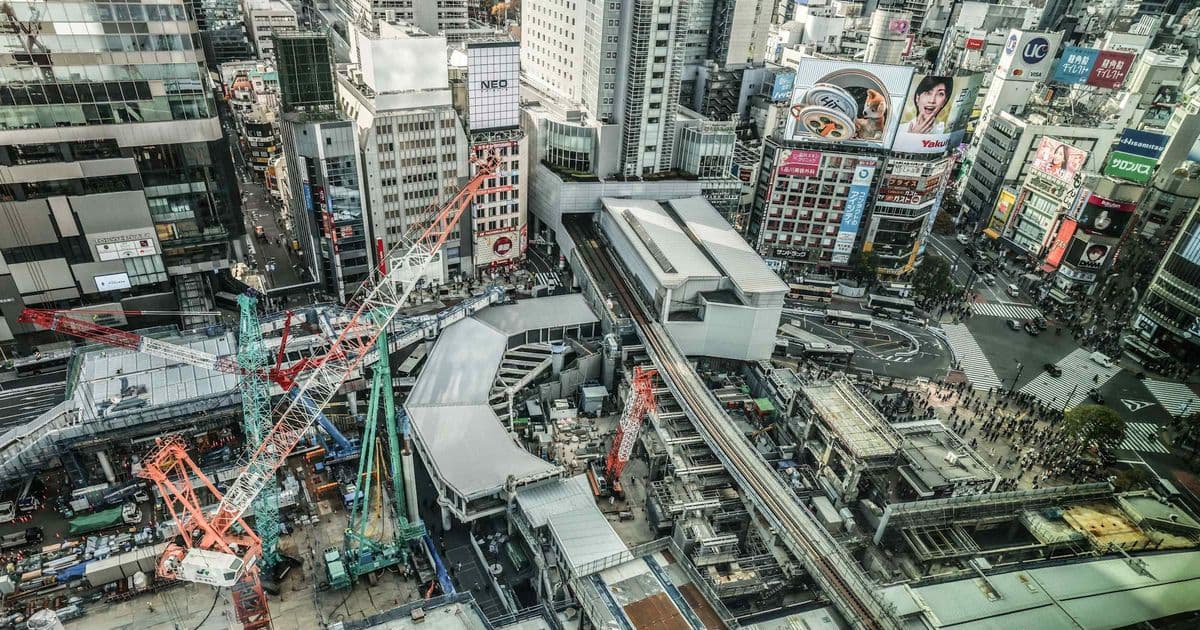
Tokyu Corporation president confirms Tokyo's Shibu Station redevelopment remains under halfway completion after 20+ years, signaling prolonged transformation impacting Tokyo's real estate and urban economy.
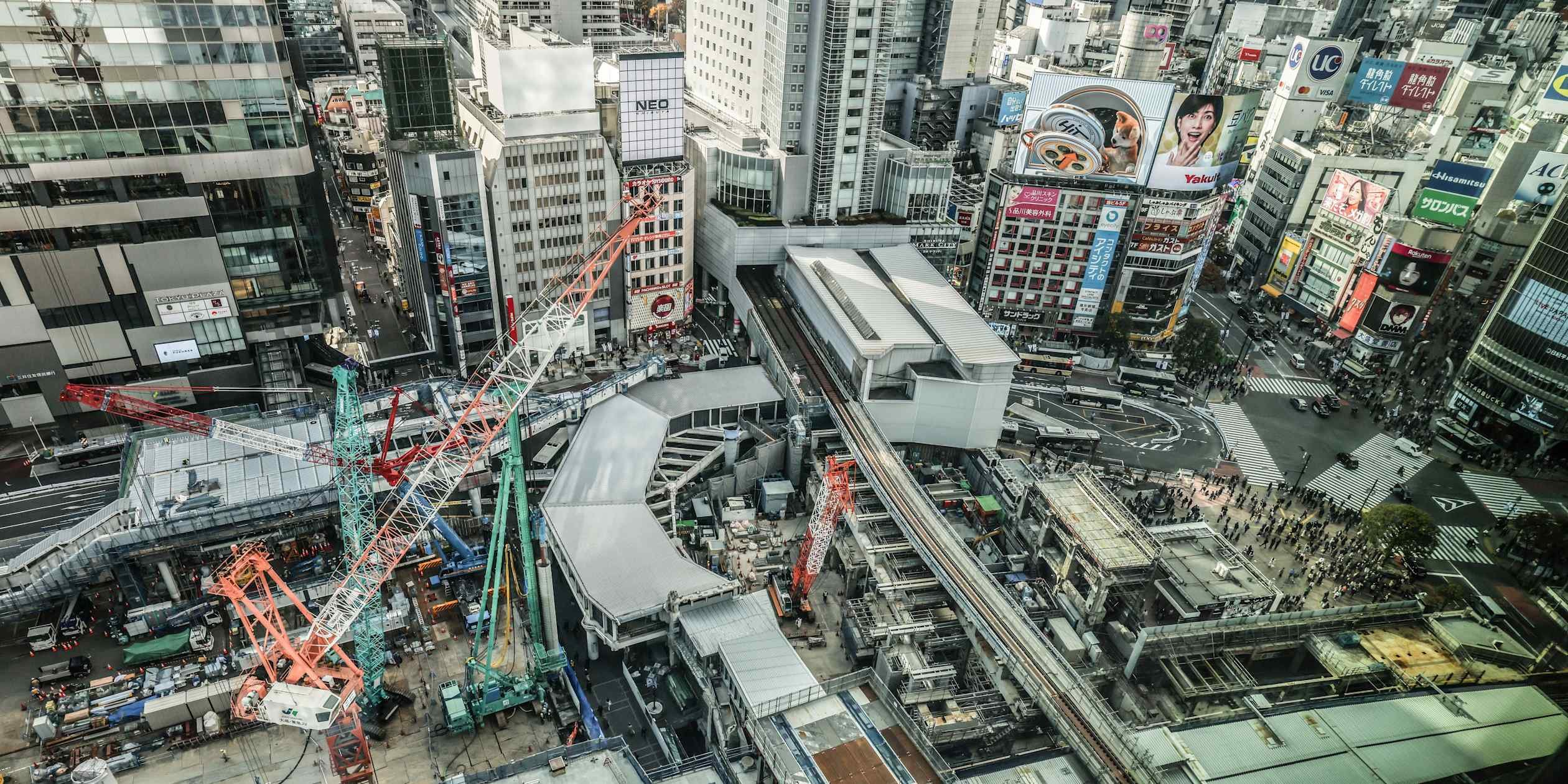
Tokyu Corporation President Kiyoto Tsuji has confirmed that the comprehensive redevelopment surrounding Tokyo's Shibuya Station remains less than halfway completed despite over two decades of continuous construction. In a striking comparison, Tsuji equated the project's scale and timeline to Barcelona's Sagrada Familia basilica, which has been under construction since 1882.
The Shibuya redevelopment initiative, spearheaded by Tokyu Group through its Shibuya Station Area Redevelopment Project, involves multiple stakeholders including East Japan Railway Company and Tokyo Metro. Current projections indicate construction activity will extend beyond 2040, with Tsuji stating "the ripple effect will continue to be felt well beyond that timeframe."
Market analysts highlight several implications:
- Real Estate Valuation: Commercial property values within Shibuya's central business district have increased approximately 40% since 2015 according to CBRE Japan data, with premium office rents reaching ¥35,000 per tsubo ($100/sq ft). The prolonged timeline signals sustained upward pressure on commercial real estate.
- Infrastructure Investment: The project requires coordinated infrastructure upgrades including subway line relocations, pedestrian deck expansions, and seismic retrofitting. Tokyu's latest financial disclosures allocate ¥312 billion ($2.1 billion) for ongoing phase development through 2028.
- Economic Multiplier Effect: Mitsubishi UFJ Research estimates the redevelopment generates ¥180 billion ($1.2 billion) in annual economic activity during construction phases, supporting over 15,000 jobs across design, engineering, and construction sectors.
Urban development experts note the project exemplifies Japan's shift toward transit-oriented development models, with commercial-residential complexes like Shibuya Scramble Square achieving 96% occupancy rates since opening. However, the extended timeline poses challenges including construction inflation risks and potential displacement of smaller retailers unable to withstand decade-long disruptions.
Tokyu's commitment underscores the strategic importance of Shibuya as Tokyo's premier youth culture and commercial hub, with visitor traffic recovering to 650,000 daily pedestrians post-pandemic. The phased approach allows continuous revenue generation from completed sections while funding later stages, creating a self-sustaining development cycle that may redefine long-term urban renewal strategies globally.
Comments
Please log in or register to join the discussion