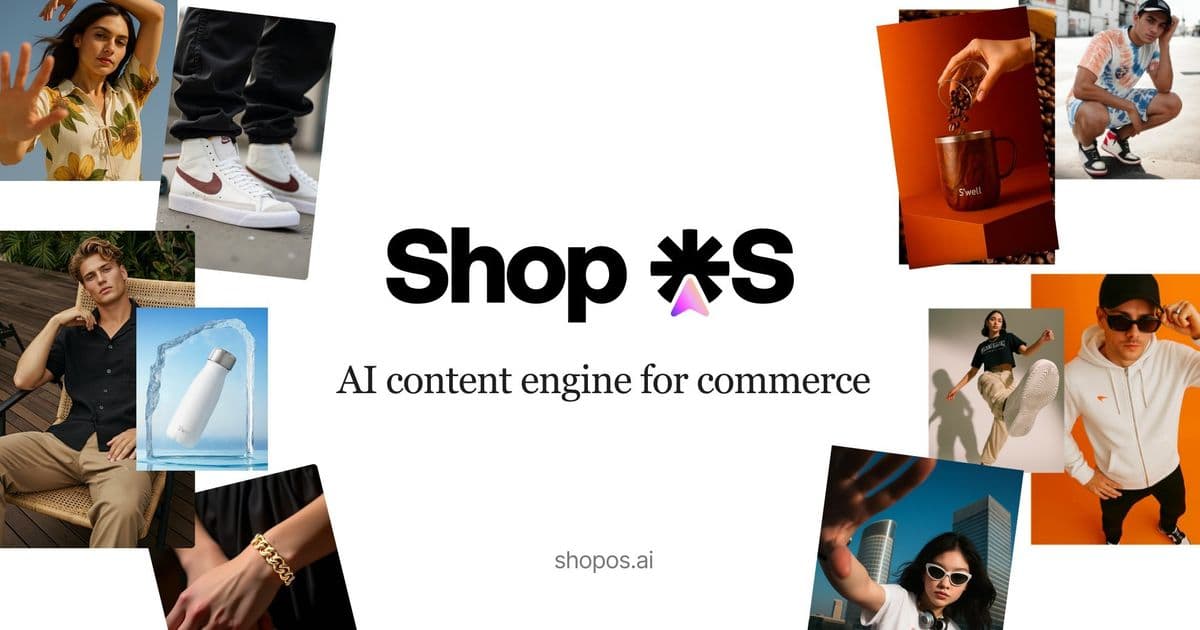
ShopOS, an AI‑native creative content platform for e‑commerce, has closed a $20 million round led by Binny Bansal’s 3STATE Ventures. The funding will accelerate its agent‑powered content engine, positioning the company at the intersection of generative AI and cross‑border retail. Developers and product teams can now explore how ShopOS’s modular agents transform catalog creation, marketing assets, and personalization at scale.
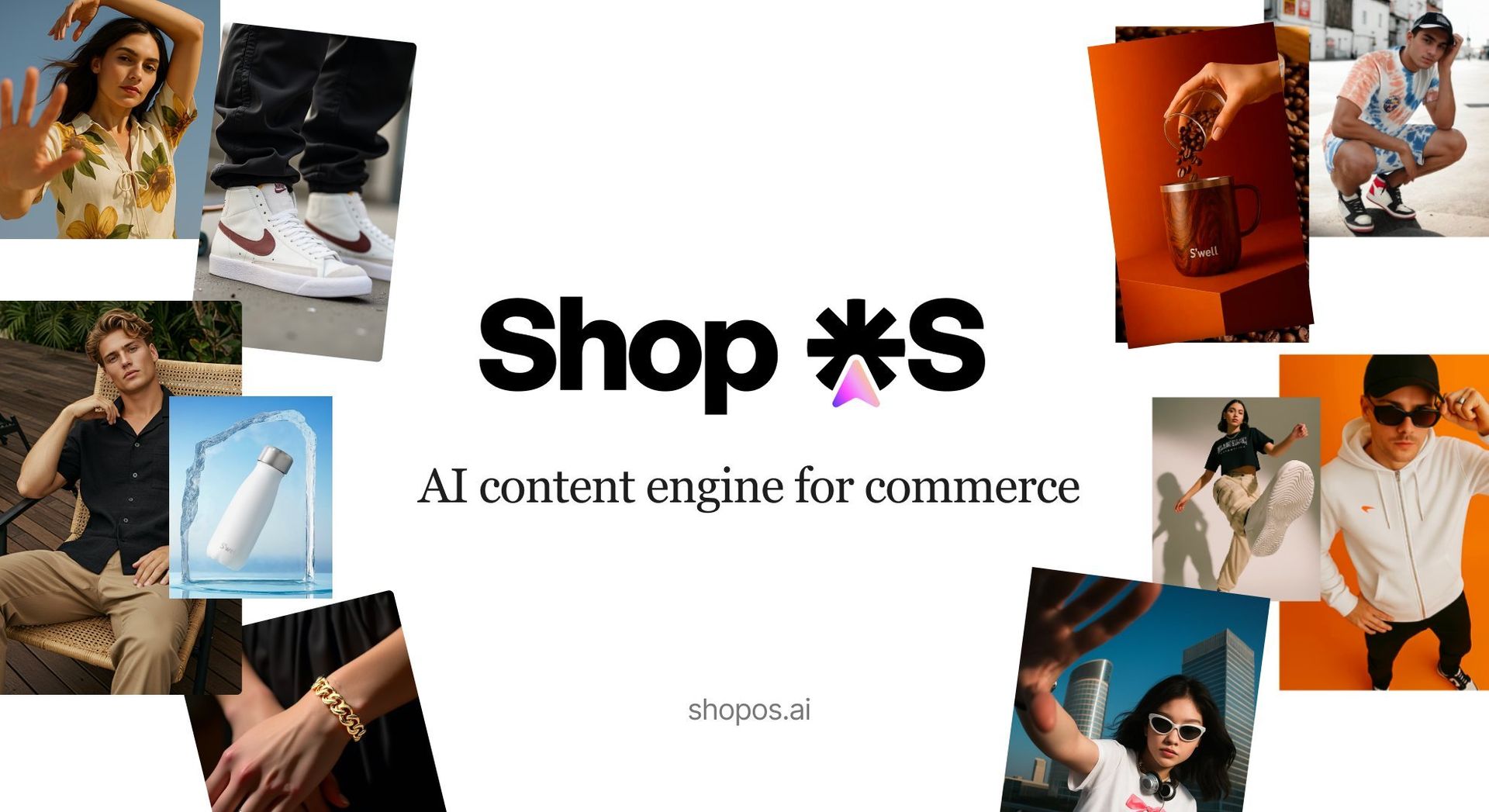
The Vision: An Operating System for Commerce Powered by AI
ShopOS positions itself as the operating system that powers modern e‑commerce brands. Instead of piecemeal tools for cataloging, image editing, and ad creation, the platform bundles these capabilities into a single, AI‑native API surface. The core idea is simple: expose a set of agents—each a specialized model that can be invoked with a prompt—to automate tasks that traditionally require human designers.
“The potential for an AI‑driven operating system to empower brands, particularly in navigating cross‑border commerce and hyper‑personalization, is a lot.” – Sai Krishna, Co‑Founder
50+ Agents, 50+ Use Cases
ShopOS currently offers more than 50 agents, ranging from an Image Upscaler that enhances product photos to a Virtual Try‑On model that overlays garments onto customer images. Each agent is built on top of large language or vision models and wrapped in a lightweight API endpoint. A typical request looks like:
POST https://api.shopos.ai/agents/virtual-try-on
Content-Type: application/json
{
  "image_url": "https://example.com/user.jpg",
  "garment_id": "dress-123"
}
The response returns a new image URL with the garment seamlessly fitted. By chaining agents—e.g., first generating a lifestyle background with Scene Stylist, then applying Ad Baker to create an ad mockup—developers can build complex creative workflows with minimal code.
Funding and Team Momentum
The $20 million round, led by 3STATE Ventures, brings a seasoned investor with a track record in AI and e‑commerce. Binny Bansal’s backing signals confidence in ShopOS’s technology and its founders’ experience: Sai Krishna and Ajay PV have previously launched and exited AI/AR ventures and hold a combined 14 patents.
“With a team that has scaled multiple AI and commerce businesses, and backed by Binny Bansal’s 3STATE Ventures, ShopOS is looking towards a steep growth curve.” – Company statement
Real‑World Impact
Several brands already use ShopOS’s agents to streamline creative production:
- Hardlines (Tower): Leveraged the platform for catalog imagery and social visuals, reducing turnaround from weeks to days.
- Terraspan: Automated influencer and UGC content generation, boosting ad performance.
- Celio: Integrated AI‑generated infographics into product pages, improving conversion.
These testimonials underscore a broader trend: e‑commerce operators increasingly rely on generative AI to keep pace with content demands while preserving brand identity.
Technical Takeaway for Developers
ShopOS’s API-first architecture means that any tech stack—Node.js, Python, Go—can tap into its agents. The modular design encourages experimentation: developers can prototype new agents locally, then deploy them to ShopOS’s managed runtime. The company also offers SDKs and a developer portal, making it easier to authenticate, monitor usage, and iterate.
“ShopOS’s AI-powered capabilities have completely transformed how we approach marketing. From generating dynamic influencer and UGC content to whipping up infographics in minutes, they have taken our product pages and social media to the next level.” – Rahul Gupta, VP & Head, Terraspan
Why This Matters
The convergence of generative AI and e‑commerce is no longer a niche experiment; it’s reshaping the entire value chain. ShopOS’s funding and product roadmap illustrate a shift toward AI‑native operating systems that abstract away the complexity of model deployment, data pipelines, and content governance. For developers, this means more time coding business logic rather than stitching together disparate tools.
As the industry moves toward hyper‑personalized, cross‑border experiences, platforms like ShopOS will likely become the backbone for brands that need to scale creative production without expanding design teams. The $20 million infusion positions the company to accelerate agent development, expand global infrastructure, and deepen integrations with leading e‑commerce platforms.
Source: https://shopos.ai/
Comments
Please log in or register to join the discussion