
A seismic political shift is underway as Silicon Valley's once-liberal elite, including figures like Mark Zuckerberg and Marc Andreessen, actively court the Trump administration, prioritizing corporate survival over democratic values. Driven by regulatory backlash under Biden, AI's explosive growth, and promises of deregulation, this alliance risks undermining the innovation engine and rule of law that built the tech industry.
For decades, Stanford intellectual property professor Mark Lemley represented tech giants like Meta with a clear conscience, believing the industry operated largely apolitically. In January 2025, that changed. "I have struggled with how to respond to Mark Zuckerberg and Facebook’s descent into toxic masculinity and Neo-Nazi madness," Lemley declared on LinkedIn. "I have fired Meta as a client." His stand, however, remains a lonely one in a transformed Silicon Valley landscape where the pursuit of profit and power has eclipsed principle.
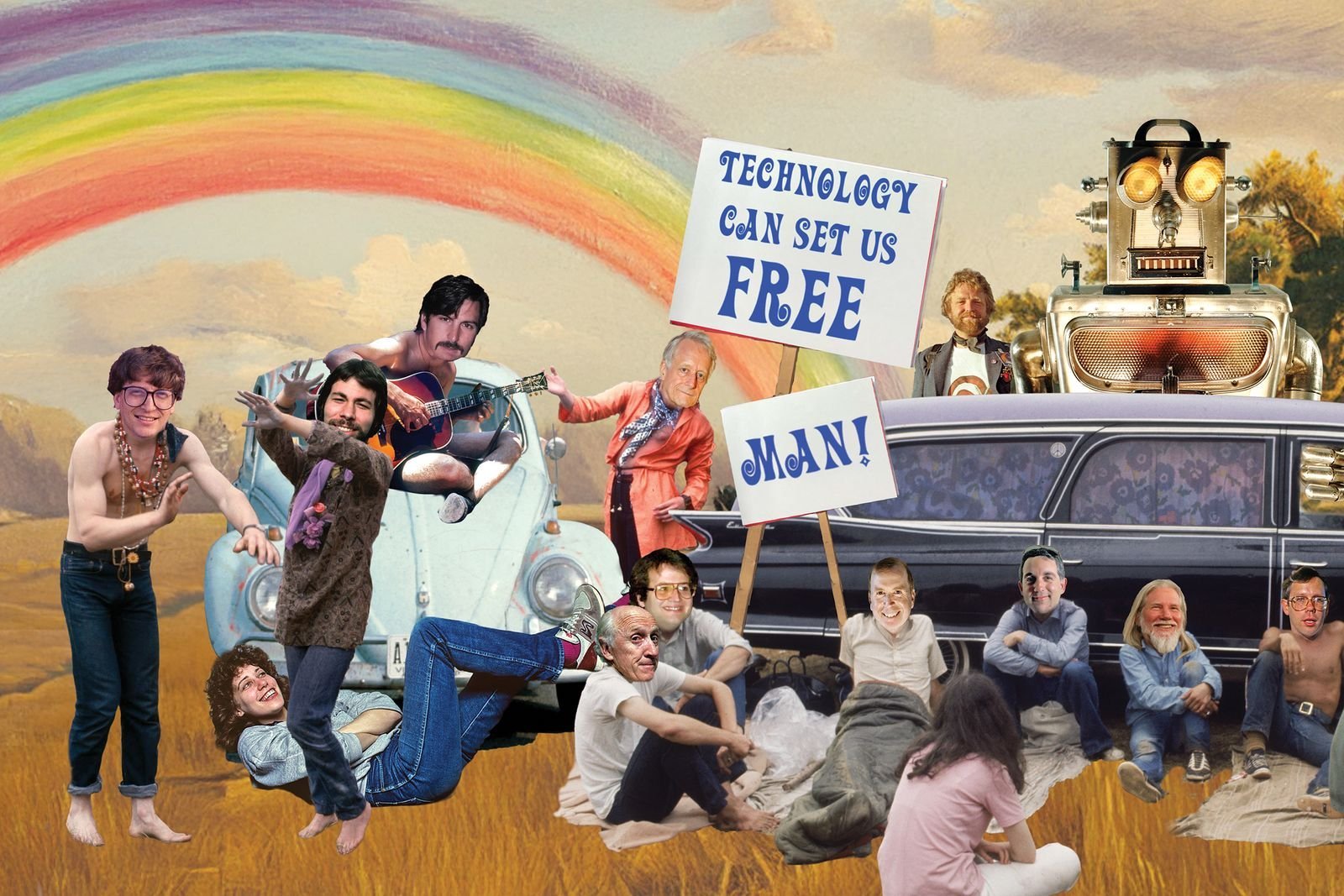
From Counterculture to Capitulation Silicon Valley's roots lie in anti-establishment rebellion. The Homebrew Computer Club, birthplace of early PC innovation, was led by activists from the Berkeley Free Speech Movement. Figures like Mitch Kapor (Lotus) prioritized employee welfare over pure profit, and Apple's iconic "1984" ad positioned its technology as a hammer against authoritarian control. John Perry Barlow’s "Declaration of the Independence of Cyberspace" embodied the libertarian idealism of the early internet era. Founders like Page, Brin, Bezos, and Zuckerberg presented as wide-eyed idealists operating outside traditional power structures.
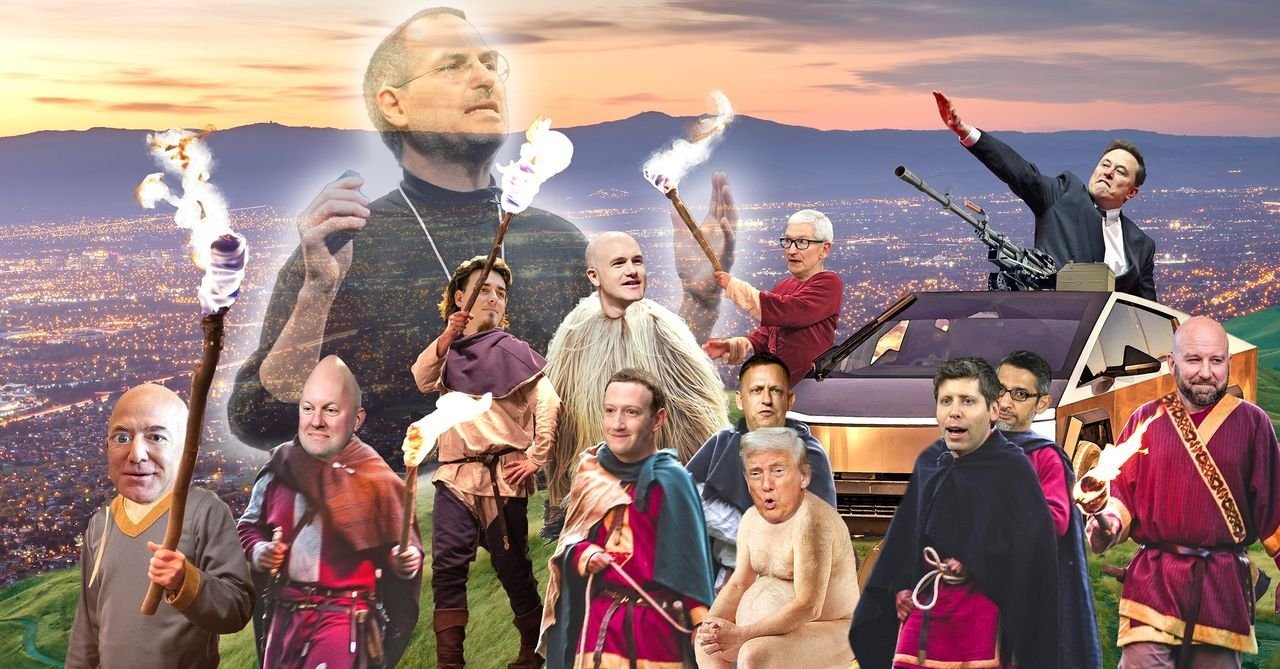
The Crumbling of 'The Deal' This idealism curdled as scale brought unprecedented wealth and influence. "The people that are doing fabulously well, they’re really having a terrific time," notes Russell Hancock of Joint Venture Silicon Valley, highlighting a Gini coefficient jump from 30 to 83 since the 90s – "conditions for the French Revolution." Tech's physical incursion into real-world sectors (transportation, housing) forced engagement with politics, often antagonistically. Public trust eroded; a 2024 survey found three-quarters of Silicon Valley residents believed tech companies had too much power and lost their moral compass.
The Biden administration's aggressive antitrust actions (led by Lina Khan and Jonathan Kanter targeting Google, Amazon, Apple, Meta), perceived hostility towards crypto post-SBF scandal (via SEC Chair Gary Gensler), and restrictive AI policies fractured the longstanding, unspoken "Deal," as termed by Marc Andreessen. This "Deal" saw tech leaders amass fortunes while supporting progressive social causes in return for adulation.
"It’s impossible to exaggerate how offended they were," says Nick Clegg, former Meta President of Global Affairs, describing the industry's reaction to Biden's policies. "They decided, 'Fuck it, we’re gonna hook our tree to this crazy-ass Trump,'" adds author Peter Leyden.
The Allure of Transactional Power Key figures led the pivot:
- Elon Musk: Alienated by exclusion from a Biden EV summit and COVID policies, Musk donated nearly $300 million to Trump and made supporting right-wing views on X socially acceptable in tech circles. "Elon made it safe for everyone," says Flexport CEO Ryan Petersen.
- Marc Andreessen & Ben Horowitz: Railed against Biden's antitrust, AI, and diversity policies, framing them as a betrayal. Donated to Trump in July 2024.
- Mark Zuckerberg: Shifted from advocating immigrant rights to praising Trump as a "badass," blaming former COO Sheryl Sandberg for content moderation, and shutting down philanthropic efforts. "I see Mark as a political shape-shifter whose number one goal is the survival and thriving of the company," a Meta executive states.
- Crypto Industry: Funneled hundreds of millions to Trump after Biden's crackdown, securing promises to fire Gensler and make the US the "crypto capital."
- Jensen Huang (NVIDIA): Successfully lobbied Trump to ease chip export controls to China after bad-mouthing Biden, though Trump later claimed a 15% cut of China sales.
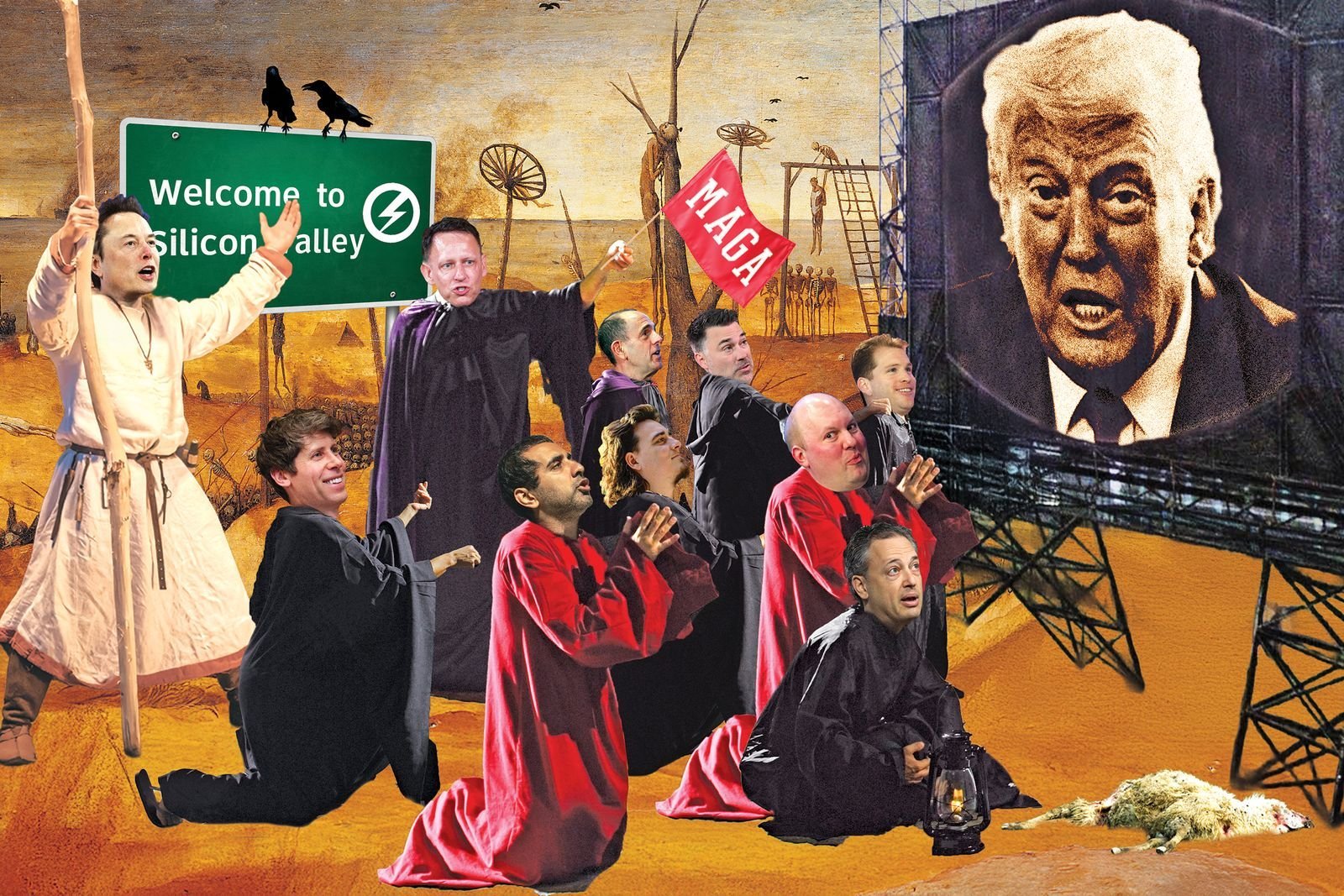
The Cost of Compliance: Undermining the Foundation The industry's embrace of Trump's transactional, punitive style comes at a steep cost to the very ecosystem that fostered its growth:
- Crippling Innovation: Restrictive immigration policies (like proposed 4-year limits on student visas) deter global talent. "We’re definitely seeing the chilling effect," says Y Combinator's Harj Taggar, noting founders look to London instead. Mass cancellations of science funding hobble future R&D.
- Erosion of Rule of Law: Trump's favoritism (demanding cuts from Nvidia and Intel) and arbitrary rule-making create a corrupt, unpredictable environment. "Trump is doing the opposite of every single thing" that enables US tech success, warns political consultant Bradley Tusk (Uber, FanDuel), listing independent institutions, free speech, IP protection, and immigration.
- Moral Bankruptcy: The suppression of internal dissent (evident at Google and Meta), abandonment of diversity initiatives, and active support for an administration hostile to democratic norms represent a profound ethical retreat from the Valley's founding ethos.
A Valley Homeless Despite warnings that "everyone who thought they could work some deal with Trump ends up getting burned" (Tim Wu, former Biden tech advisor), the capitulation continues. Tech leaders hedge with exit strategies – Portuguese citizenship, contingency plans – acknowledging the instability they enable but refusing to challenge it. The once-rebellious spirit that challenged IBM as "Darth Vader" now kneels before Mar-a-Lago, trading long-term viability and democratic principles for short-term regulatory relief and access. As Reid Hoffman and Mark Lemley's isolated stands highlight, the soul of Silicon Valley is not just shifting; it's being auctioned off, risking the very innovation engine it seeks to protect.
Source: Adapted from original reporting by WIRED (Source URL)
Comments
Please log in or register to join the discussion