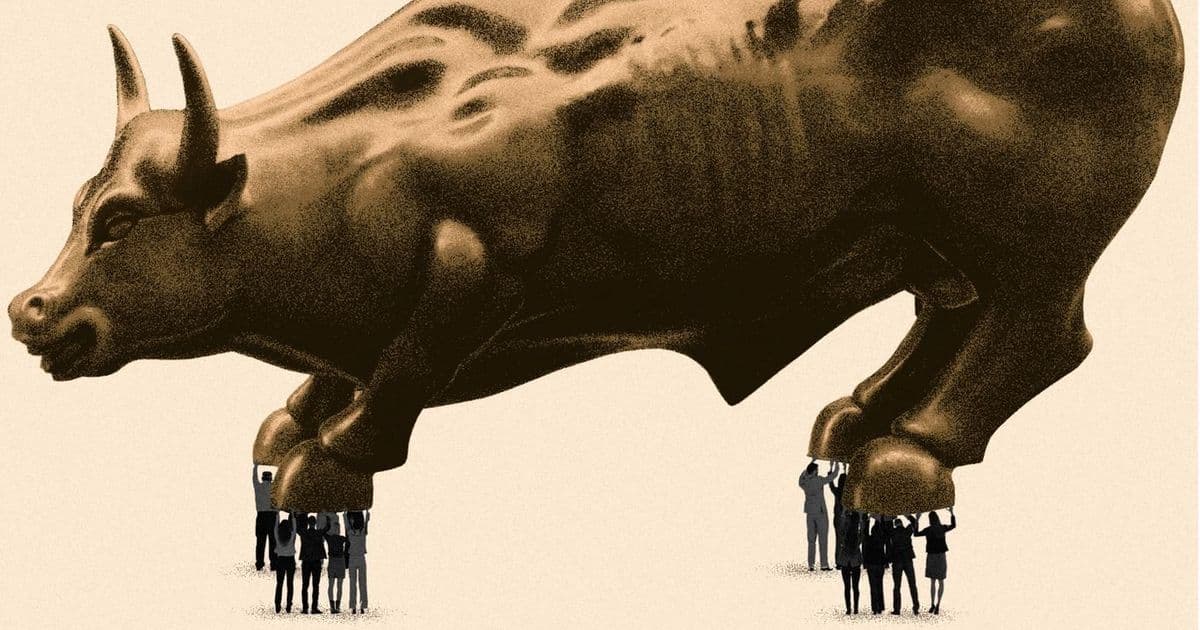
The GameStop-inspired silver rush exposed how social media-fueled trading is creating dangerous volatility for retail investors, with amateur traders facing massive losses as coordinated buying campaigns create unsustainable price spikes.
The recent silver market frenzy, sparked by Reddit's WallStreetBets community, has exposed a troubling new reality for everyday investors: social media-driven trading campaigns are creating dangerous volatility that can wipe out savings in days.
What happened: In late January 2021, coordinated buying of silver and silver-related assets sent prices surging over 10% in a single day, with some silver mining stocks jumping as much as 50%. The rally was fueled by retail investors attempting to replicate the GameStop short squeeze, targeting the massive silver market as their next "moonshot."
However, the silver surge proved far more volatile than GameStop. Within days, prices crashed back down, leaving many retail investors holding heavy losses. The speed and severity of the reversal caught many amateur traders off guard, highlighting the risks of following social media investment trends.
The numbers tell the story:
- Silver prices spiked from around $25 to nearly $30 per ounce
- Silver mining stocks like First Majestic Silver (AG) jumped 50% before collapsing
- Trading volumes on platforms like Robinhood surged 300% for silver-related assets
- Many retail investors reported losses of 30-50% within 48 hours of buying in
Market analysts warn this is becoming a pattern. Social media platforms are increasingly being used to coordinate large-scale trading campaigns, creating artificial price movements that benefit early participants while leaving latecomers exposed to devastating losses.
"This isn't investing anymore, it's gambling with a megaphone," says Michael Johnson, chief market strategist at SilverWave Analytics. "When thousands of people coordinate to buy the same asset simultaneously, prices become completely disconnected from fundamentals."
The silver episode follows similar patterns seen with GameStop, AMC, and other "meme stocks" where social media hype drives unsustainable price increases. Unlike traditional market movements based on company performance or economic data, these rallies are driven purely by momentum and FOMO (fear of missing out).
For retail investors, the implications are serious. Many are using stimulus checks, savings, or even borrowing to participate in these trades, often without understanding the risks. The democratization of trading through apps like Robinhood has made it easier than ever to jump into volatile markets, but it's also made it easier to lose significant money quickly.
Financial regulators are taking notice. The SEC has announced investigations into market manipulation concerns, while lawmakers are calling for greater oversight of social media's role in market volatility. However, regulating coordinated social media trading presents complex challenges around free speech and market dynamics.
What makes this particularly concerning is the scale. Unlike traditional pump-and-dump schemes that target small, illiquid stocks, these social media campaigns are moving massive markets like silver. The potential for systemic risk grows as more retail investors pile into these coordinated trades.
For individual investors, the lesson is clear: following social media investment trends carries substantial risks. While the potential for quick gains exists, the probability of significant losses is equally real. The silver surge and crash serves as a stark reminder that in today's markets, the crowd can be both your greatest opportunity and your most dangerous enemy.
The trend also raises questions about the future of retail investing. As social media continues to influence market movements, the line between investing and speculation becomes increasingly blurred. For many everyday investors, understanding this distinction could mean the difference between building wealth and losing it.
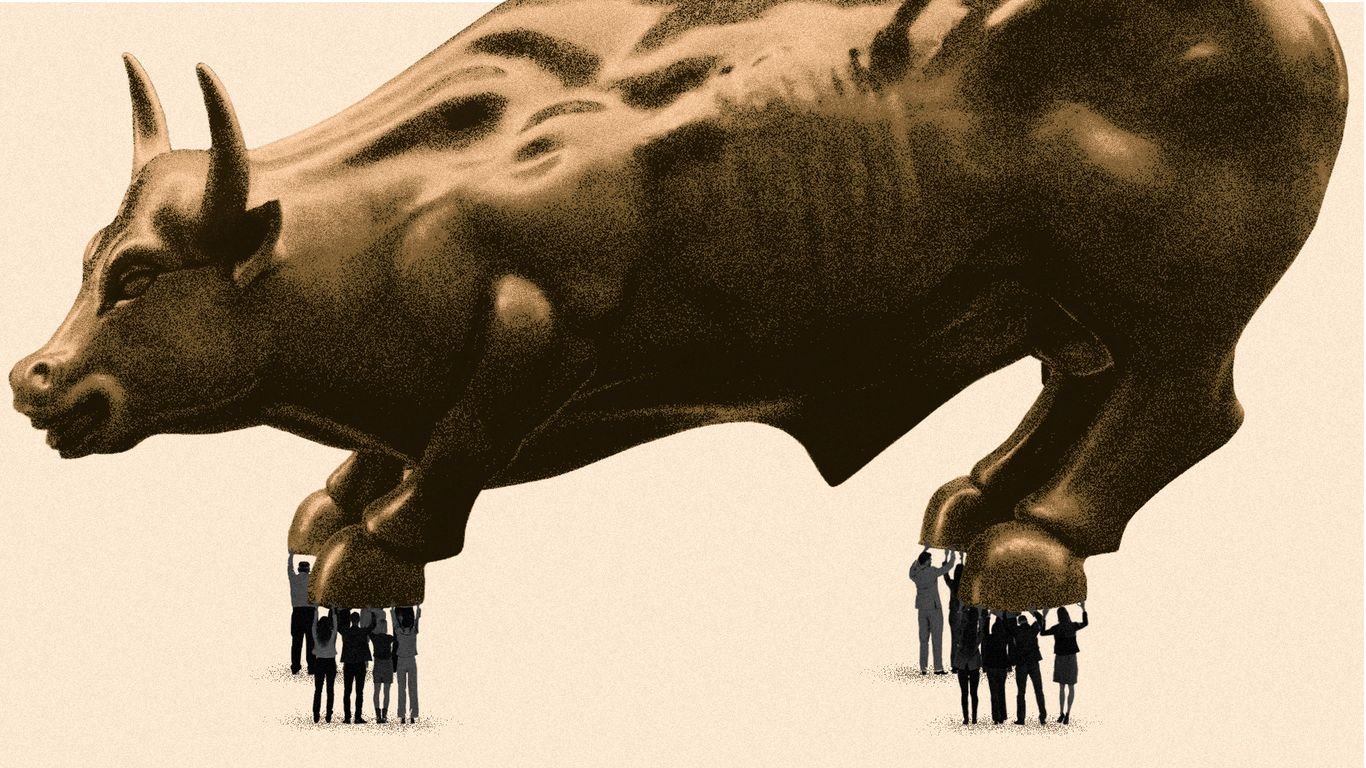
The silver market frenzy is just the latest example of how social media is reshaping financial markets, often in ways that benefit sophisticated traders while exposing retail investors to unnecessary risks. As these trends continue, the need for investor education and potentially new regulatory frameworks becomes increasingly urgent.
Comments
Please log in or register to join the discussion