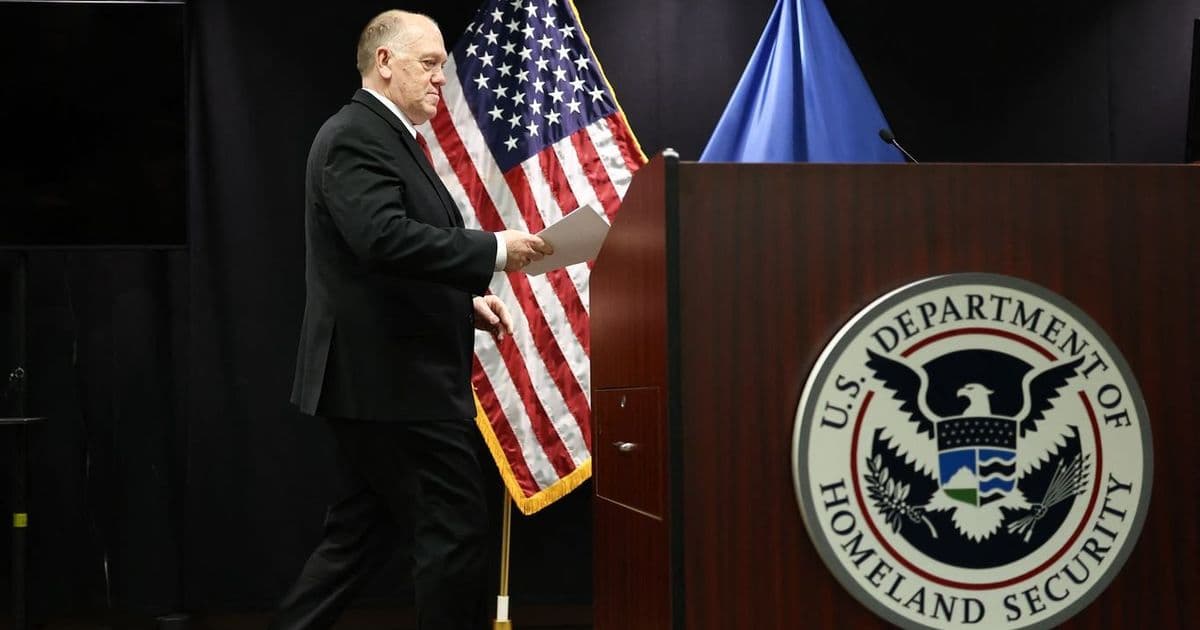
Federal immigration enforcement resources are being shifted away from Minnesota as part of broader border security strategy changes.
The Trump administration is pulling approximately 700 immigration enforcement agents from Minnesota as part of a strategic reallocation of federal resources, according to sources familiar with the matter.
This significant reduction in Immigration and Customs Enforcement (ICE) personnel represents roughly 70% of the agency's workforce in the state. The move comes amid ongoing tensions between federal immigration authorities and Minnesota's Democratic leadership, including Governor Tim Walz and congressional representatives like Ilhan Omar.
Context and Recent Tensions
The agent reduction follows a series of high-profile incidents in Minneapolis that have strained relations between local officials and federal immigration enforcement:
- A fatal shooting involving federal agents in South Minneapolis on January 24, 2026
- The identification of a woman killed by ICE in Minneapolis on January 7, 2026
- Congressional Democrats, including Representative Omar, being blocked from visiting ICE facilities after the January 10 shooting
Governor Walz has taken "rare legal steps" to ensure independent investigation of the Alex Pretti shooting, signaling the state's resistance to federal immigration enforcement tactics.
Strategic Implications
The reallocation appears to be part of a broader border security strategy rather than a punitive measure against Minnesota. Border Czar Tom Homan has emphasized the administration's focus on border states and high-priority enforcement areas.
This shift leaves Minnesota with approximately 300 ICE agents, potentially impacting the state's ability to conduct interior immigration enforcement operations. Local law enforcement agencies may need to adjust their cooperation protocols with federal immigration authorities.
What This Means for Minnesota
The reduction in federal immigration personnel could have several implications:
- Decreased capacity for workplace raids and targeted enforcement operations
- Potential backlog in processing immigration cases within the state
- Shift in enforcement priorities toward border states and regions
- Possible increase in local law enforcement's role in immigration-related matters
The move also reflects the ongoing political divide over immigration enforcement, with Democratic-led states increasingly pushing back against federal immigration policies while the administration continues to prioritize border security and interior enforcement in other regions.
The timing of this reallocation, coming amid heightened tensions and high-profile incidents, suggests a recalibration of federal immigration enforcement strategy that may have long-term implications for how immigration law is enforced in Minnesota and other states with similar political dynamics.
Comments
Please log in or register to join the discussion