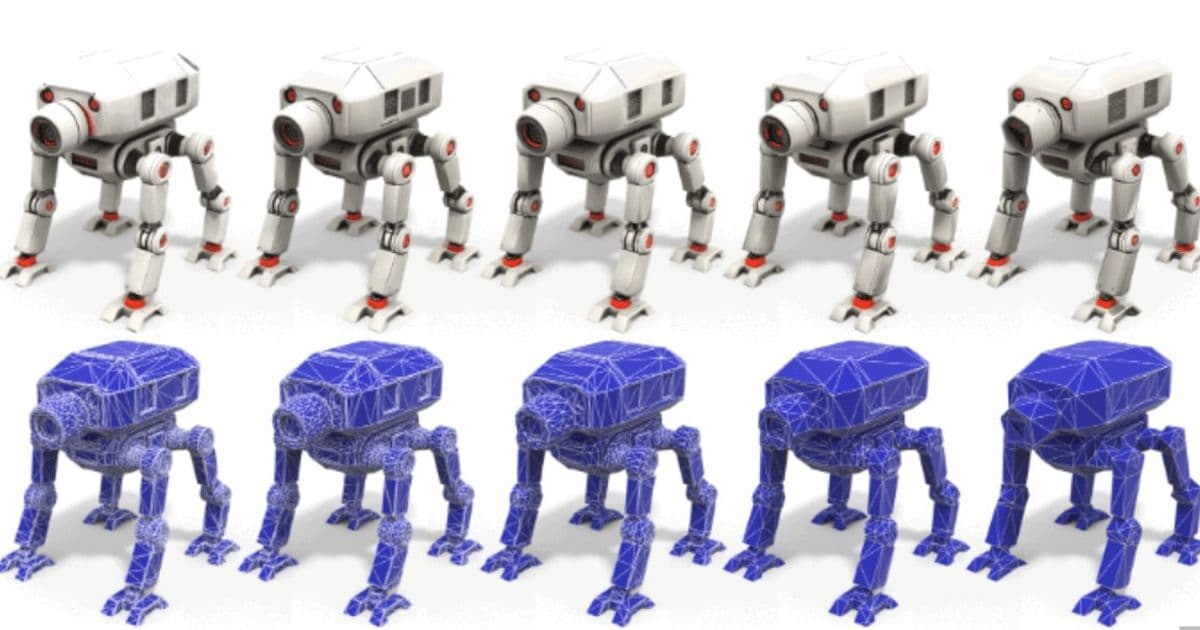
Roblox introduces a 4D creation feature in open beta that allows developers to generate interactive objects with individual moving parts, moving beyond static 3D models to create more dynamic and engaging experiences on the platform.
Roblox is pushing the boundaries of user-generated content with the launch of a 4D creation feature in open beta, marking a significant evolution in how creators can design interactive objects on the platform. The new feature allows developers to generate objects with individual moving parts rather than static 3D models, opening up possibilities for more dynamic and engaging experiences within the Roblox ecosystem.
This development builds on Roblox's previous work in AI-assisted creation tools. Last year, the company launched an open-source AI model capable of generating 3D objects on the platform, which helped users quickly design digital items. The 4D feature takes this concept further by adding the dimension of motion and interactivity to generated objects.
What Makes 4D Different from 3D
Traditional 3D modeling in game development creates static objects that can be viewed from different angles but don't inherently move or change. The 4D creation feature introduces temporal elements, allowing objects to have moving components, animated behaviors, and interactive responses to user input or environmental conditions.
This could mean anything from a simple door that opens and closes to complex machinery with multiple moving parts that users can manipulate. The implications for game design, virtual experiences, and educational content are substantial, as creators can now build more sophisticated and realistic simulations without requiring advanced animation skills.
Technical Implementation and Accessibility
The feature is being rolled out as an open beta, suggesting Roblox is taking a measured approach to deployment while gathering feedback from the creator community. This strategy allows the company to refine the technology based on real-world usage patterns and identify any limitations or areas for improvement.
By making this feature available through their existing creation tools, Roblox is democratizing access to more advanced development capabilities. Creators who previously might have needed to learn complex animation software or hire specialized talent can now leverage AI to generate interactive 4D objects directly within the Roblox Studio environment.
Strategic Context for Roblox
This move aligns with Roblox's broader strategy of empowering its creator community and expanding the types of experiences possible on the platform. As competition in the user-generated content space intensifies, features that enable more sophisticated and engaging content could help Roblox maintain its position as a leading platform for digital creation and social interaction.
The timing is also notable given the current focus on AI in content creation across the tech industry. By integrating AI-powered 4D generation into its core offering, Roblox is positioning itself at the intersection of user-generated content, artificial intelligence, and interactive entertainment.
Potential Applications and Use Cases
The 4D creation feature could transform various types of content on Roblox:
Gaming Experiences: More realistic physics, complex machinery, and interactive environments that respond to player actions
Educational Content: Interactive models for teaching concepts in science, engineering, and mechanics
Social Spaces: Dynamic environments that change and evolve based on user interaction
Virtual Commerce: Products that users can examine from multiple angles and see in action before purchase
Community Reception and Challenges
While the feature represents an exciting advancement, it also presents challenges. The increased complexity of 4D objects may impact performance, particularly on lower-end devices that are common among Roblox's younger user base. The company will need to balance the desire for more sophisticated content with the need to maintain accessibility across its diverse hardware ecosystem.
Additionally, as with any AI-powered content generation tool, there are questions about the originality and uniqueness of AI-generated content. The creator community may need time to adapt to these new capabilities and find ways to use them creatively rather than relying on them as a crutch.
Industry Implications
The introduction of 4D creation capabilities in a mainstream platform like Roblox could influence the broader gaming and content creation industries. As user expectations for interactive content evolve, other platforms may need to develop similar capabilities to remain competitive.
This also represents another step in the ongoing convergence of AI and creative tools, suggesting that the future of content creation may increasingly involve collaboration between human creativity and artificial intelligence assistance.
Looking Forward
As the 4D creation feature moves through its open beta phase, the Roblox community will likely discover innovative applications that the company may not have initially envisioned. The success of this feature could determine whether 4D content becomes a standard expectation in user-generated platforms or remains a niche capability.
For now, the open beta represents an opportunity for early adopters to experiment with these new tools and help shape how 4D content will evolve on the Roblox platform. The coming months will reveal whether this technological advancement translates into meaningful improvements in user engagement and creator satisfaction.
Comments
Please log in or register to join the discussion