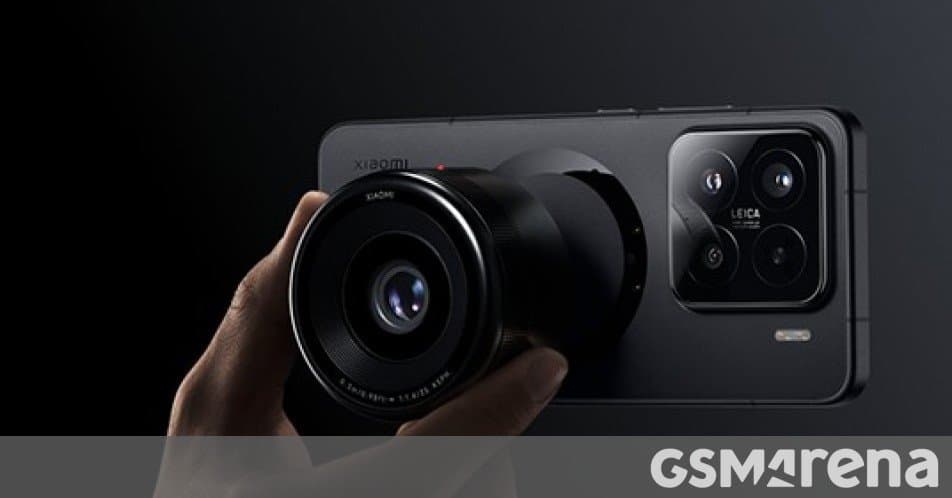
Xiaomi's innovative detachable camera module with 100MP micro four-thirds sensor and LaserLink connectivity is reportedly moving from prototype to mass production, promising DSLR-quality mobile photography for compatible flagship devices.
Xiaomi is taking a significant step forward in mobile photography with its modular optical system, as the company's detachable micro four-thirds camera module has reportedly entered mass production. This development marks a major milestone for the concept that was first unveiled at MWC last year, transforming what was initially presented as a research project into a commercially available product.
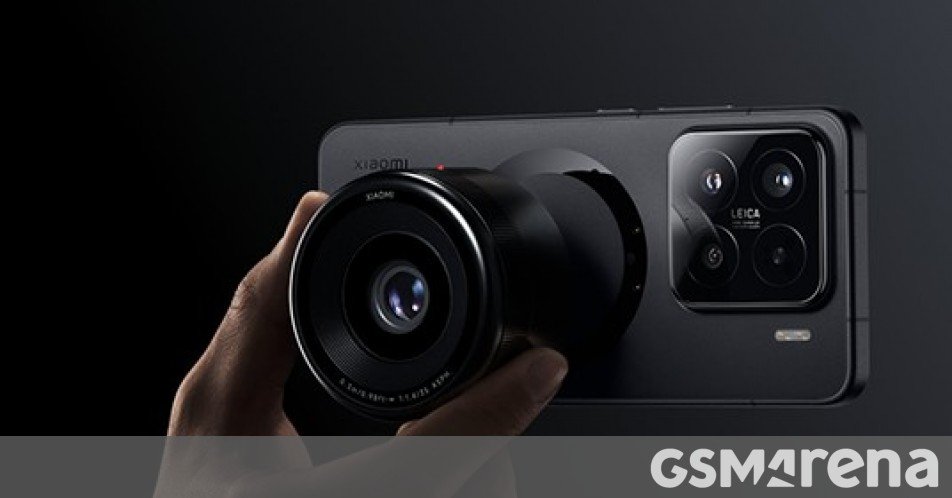
The module features a 100MP micro four-thirds sensor paired with a versatile 35mm f/1.4-f/11 lens that includes a manual focus ring. This combination offers photographers unprecedented control and image quality that rivals traditional mirrorless cameras. The sensor's native 2x zoom capability with pixel binning further enhances its versatility, allowing users to capture everything from wide landscapes to detailed close-ups without switching lenses.
What truly sets Xiaomi's solution apart from previous attempts at modular mobile photography, such as Sony's lens-style cameras, is the proprietary LaserLink connection. This high-speed interface provides low-latency communication and data transfer rates of up to 10Gbps, enabling the camera module to leverage the smartphone's powerful image signal processor (ISP) for advanced image processing. This approach eliminates the need for dedicated processing hardware in the module itself, resulting in a more streamlined and efficient design.
The prototype demonstrated last year was paired with a customized Xiaomi 15, but industry sources suggest that the upcoming "Xiaomi Mix 5" flagship will be the first commercially available device to support this innovative camera system. This strategic decision makes sense, as the Mix series typically represents Xiaomi's most advanced and experimental technology.
However, the modular system does come with some limitations. The camera module requires specific hardware support beyond just magnetic attachment points. Phones must have both Qi2-style magnets and the dedicated LaserLink data connection to function properly. This requirement means that only select flagship devices will be compatible, potentially limiting the system's market reach initially.
On the positive side, the module's stripped-down design offers several advantages. By omitting its own battery and processing hardware, the camera remains relatively lightweight at 100g, though this still feels somewhat awkward on smaller devices like the Xiaomi 15. The module draws power directly from the connected phone and powers down when not in use, requiring only a couple of seconds to boot up when needed. This power-efficient approach helps preserve battery life while maintaining the convenience of a detachable system.
The move to mass production signals Xiaomi's confidence in the technology and suggests the company sees a viable market for high-end mobile photography accessories. As smartphone cameras continue to evolve, modular solutions like this could represent the next frontier in mobile imaging, offering enthusiasts and professionals the ability to significantly upgrade their mobile photography capabilities without carrying separate camera equipment.
The timing of this development is particularly interesting, coming at a time when smartphone manufacturers are increasingly focusing on computational photography and AI-enhanced imaging. Xiaomi's approach takes a different path, emphasizing optical quality and manual control while still leveraging the computational power of modern smartphones.
While pricing and exact availability dates remain unknown, the transition to mass production suggests we could see this innovative camera system hit the market in the coming months. For photography enthusiasts and mobile content creators, Xiaomi's modular optical system represents an exciting new option that could bridge the gap between smartphone convenience and professional image quality.
Comments
Please log in or register to join the discussion