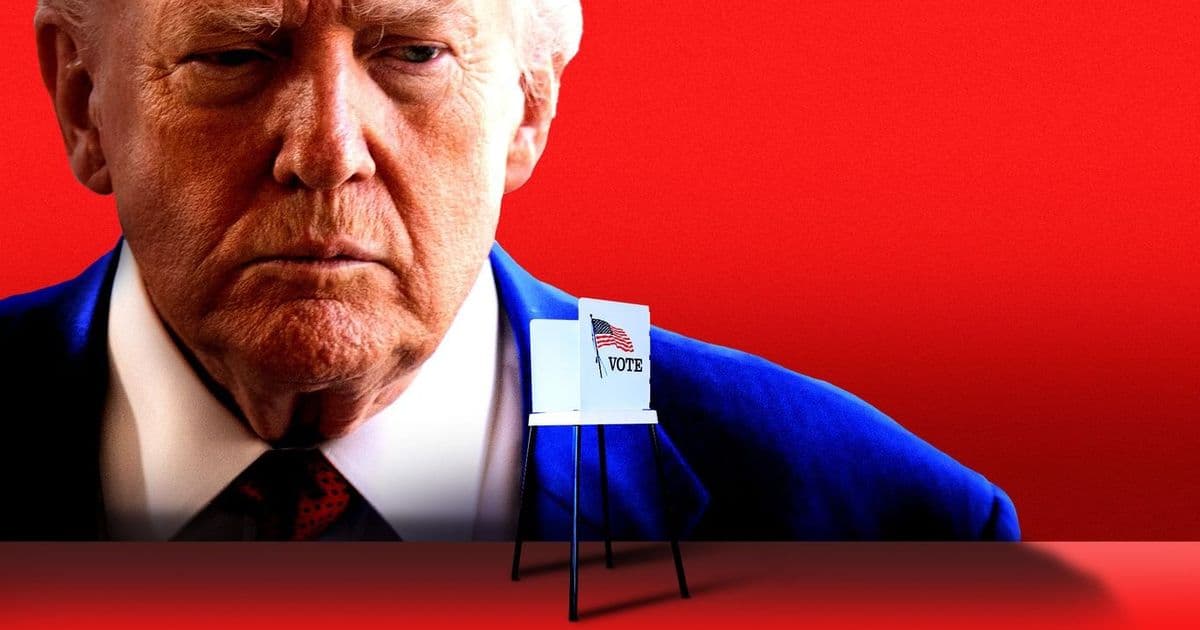
Former President Trump is advocating for federal takeover of elections, citing unsubstantiated claims of 2020 irregularities as he pushes for sweeping changes to voting systems.
Former President Donald Trump is calling for the federal government to "nationalize" voting systems, a move that would dramatically shift election administration from state control to Washington oversight. The proposal comes as Trump continues to dwell on his 2020 election grievances, despite multiple court rulings and official audits that found no evidence of widespread fraud.
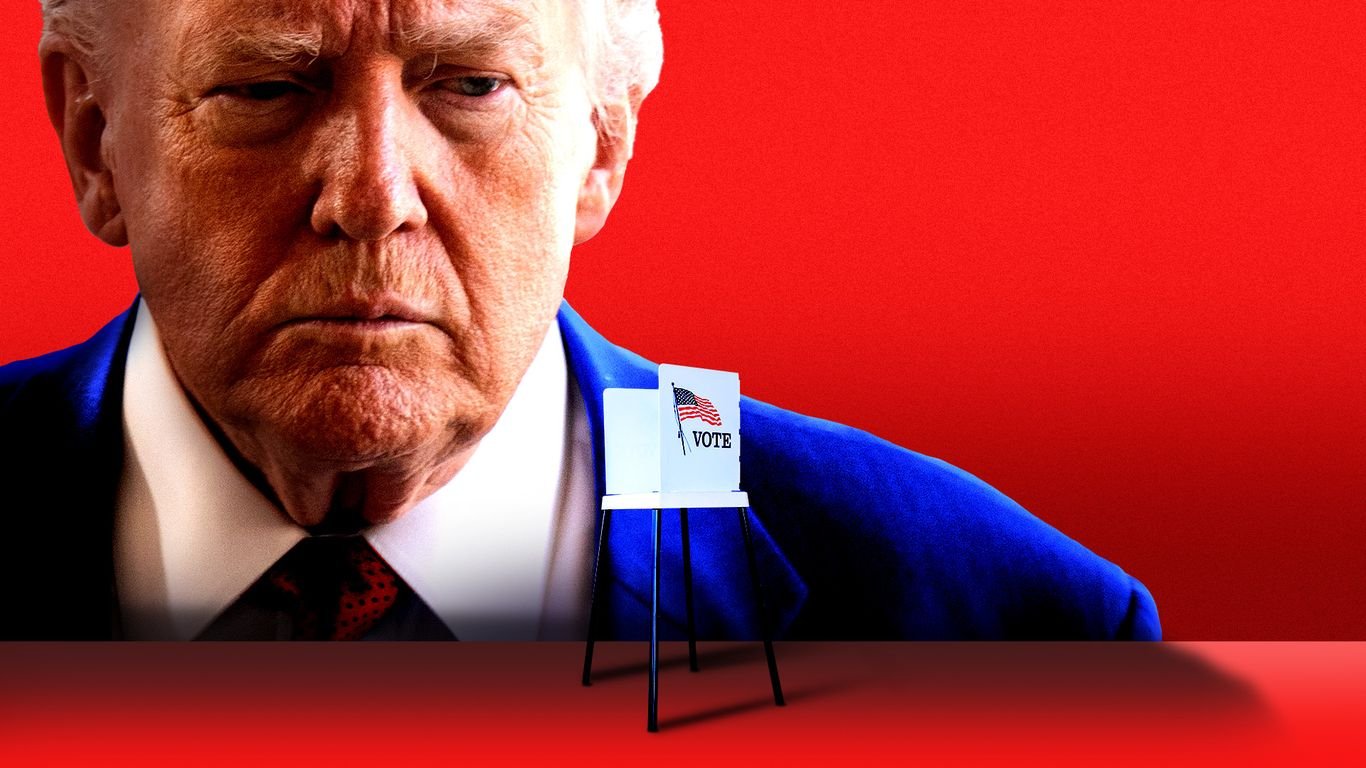
Trump's latest push for federal election control represents a significant escalation in his ongoing efforts to reshape how American elections are conducted. The former president has repeatedly claimed, without evidence, that the 2020 election was "rigged" and that voting systems across multiple states were compromised.
The Federalization Proposal
Trump's call for federalizing elections would fundamentally alter the current system where states maintain primary control over election administration. Under his proposal, the federal government would take over key aspects of voting, including:
- Setting uniform voting standards across all states
- Overseeing voter registration databases
- Controlling election equipment and technology
- Establishing nationwide mail-in ballot procedures
- Creating federal oversight of ballot counting
This represents a dramatic departure from the decentralized system that has governed American elections for over two centuries, where states have traditionally maintained sovereignty over their voting processes.
2020 Grievances Continue
The federalization push is directly tied to Trump's persistent claims about the 2020 election. Despite losing more than 60 court cases challenging the results, multiple state audits, and investigations by his own administration that found no evidence of widespread fraud, Trump continues to assert that the election was stolen.
His grievances have focused on several areas:
- Mail-in voting procedures expanded during the COVID-19 pandemic
- Changes to ballot counting deadlines in key states
- The use of electronic voting machines
- Poll watcher access during ballot processing
- Last-minute rule changes by state officials
Political and Legal Implications
Trump's proposal faces significant legal and political hurdles. The Constitution grants states broad authority over election administration, and any federal takeover would likely face immediate legal challenges.
Constitutional scholars note that such a dramatic shift would require either:
- A constitutional amendment approved by two-thirds of Congress and three-fourths of state legislatures
- A complete reinterpretation of existing constitutional provisions by the Supreme Court
- New federal legislation that could be challenged in court
Republican Party Response
The proposal has created tension within the Republican Party. While many GOP leaders have supported Trump's claims about 2020 irregularities, some have expressed concern about federalizing elections, which traditionally aligns more with Democratic priorities.
Some Republican strategists worry that Trump's focus on 2020 grievances could distract from current electoral opportunities and damage the party's prospects in upcoming elections.
Democratic Opposition
Democrats have largely rejected Trump's federalization proposal, viewing it as an attempt to centralize power and potentially enable future election interference. They argue that the current decentralized system provides important checks and balances against fraud and abuse.
Historical Context
American elections have historically been administered at the state and local level, with the federal government playing a limited role. This decentralized approach was intentionally designed by the Founders to prevent any single entity from controlling the electoral process.
Trump's proposal represents one of the most significant challenges to this traditional arrangement in American history.
Looking Ahead
The federalization proposal is likely to remain a contentious issue as the 2024 election approaches. Trump's continued focus on 2020 grievances suggests he may make election integrity a central theme of his potential campaign.
Political analysts note that while the proposal faces significant obstacles, it reflects a broader debate about the balance between state and federal power in American democracy.
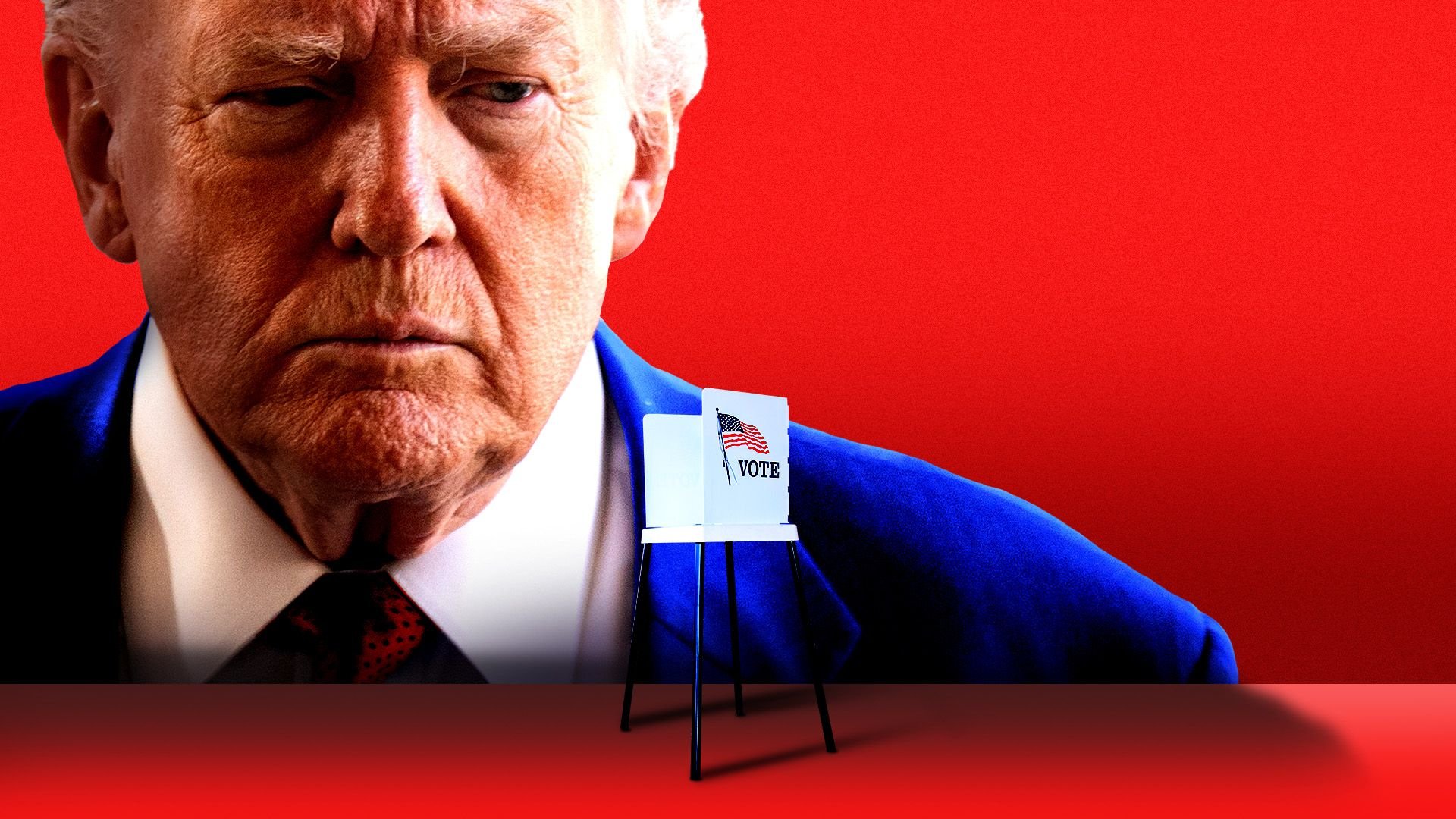
The debate over election administration is likely to intensify as the country approaches future elections, with Trump's federalization proposal serving as a focal point for discussions about voting rights, election security, and the proper balance of power in American democracy.
As this issue develops, it will be crucial to watch how other Republican leaders respond, whether Trump continues to prioritize election grievances in his political messaging, and how state officials react to proposals that would diminish their traditional authority over elections.
Comments
Please log in or register to join the discussion