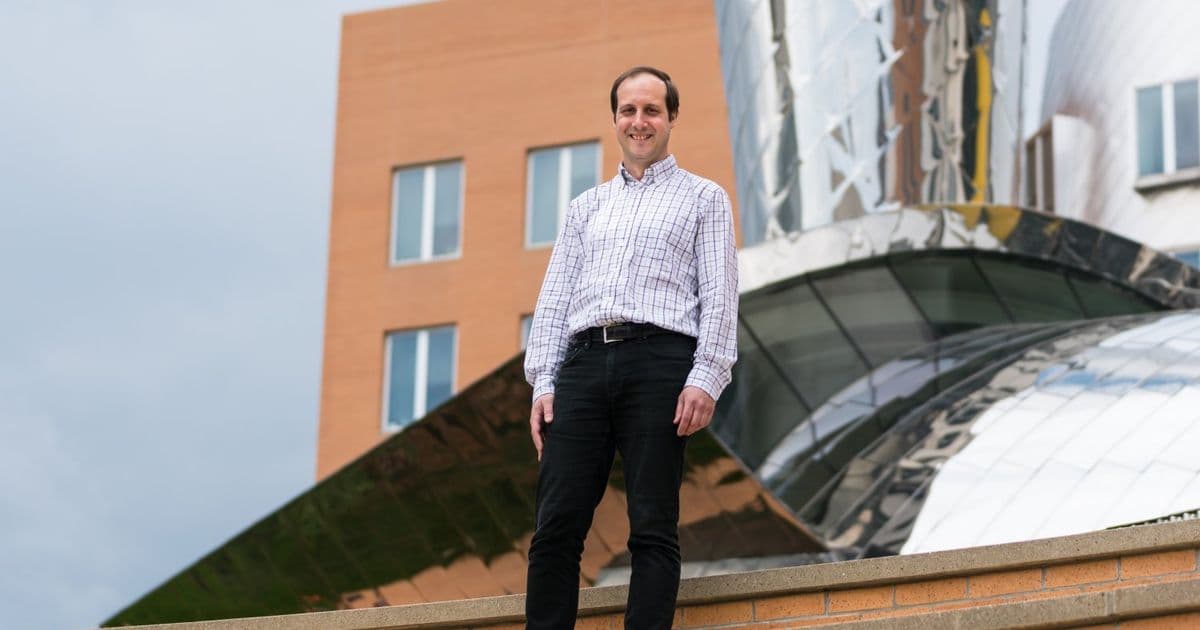
Antonio Torralba, MIT professor and AI researcher, has been named a 2025 ACM Fellow alongside three MIT alumni for groundbreaking work in computer vision, machine learning, and human visual perception.
Antonio Torralba, the Delta Electronics Professor of Electrical Engineering and Computer Science at MIT and faculty head of artificial intelligence and decision-making, has been named to the 2025 cohort of Association for Computing Machinery (ACM) Fellows. This prestigious recognition honors his groundbreaking contributions to computer vision, machine learning, and human visual perception research.
Torralba joins three MIT alumni in this year's fellowship class: Eytan Adar '97, MEng '98; George Candea '97, MEng '98; and Gookwon Edward Suh SM '01, PhD '05. The ACM Fellows program represents the highest honor bestowed by the professional organization, recognizing individuals for outstanding accomplishments in computing and information technology.
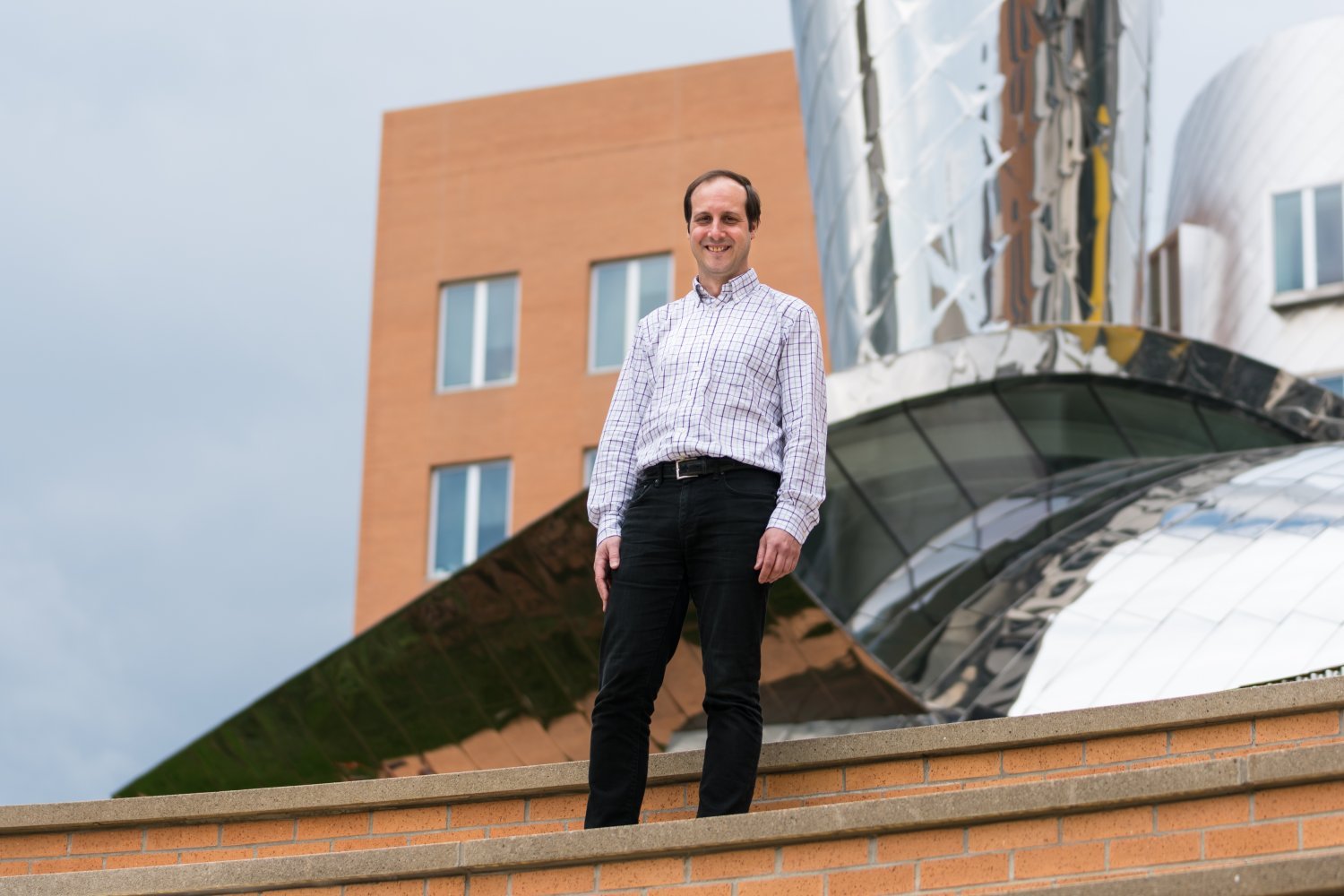
Torralba's academic journey began with a BS in telecommunications engineering from Telecom BCN, Spain, in 1994, followed by a PhD in signal, image, and speech processing from the Institut National Polytechnique de Grenoble, France, in 2000. Since joining MIT, he has held multiple leadership positions, including director of the MIT Quest for Intelligence (now the MIT Siegel Family Quest for Intelligence) and the MIT-IBM Watson AI Lab.
As a principal investigator within both the Computer Science and Artificial Intelligence Laboratory (CSAIL) and the Center for Brains, Minds, and Machines, Torralba has established himself as a leading figure in the field of computer vision. His research philosophy centers on building systems that can perceive the world like humans do, bridging the gap between artificial and biological visual systems.
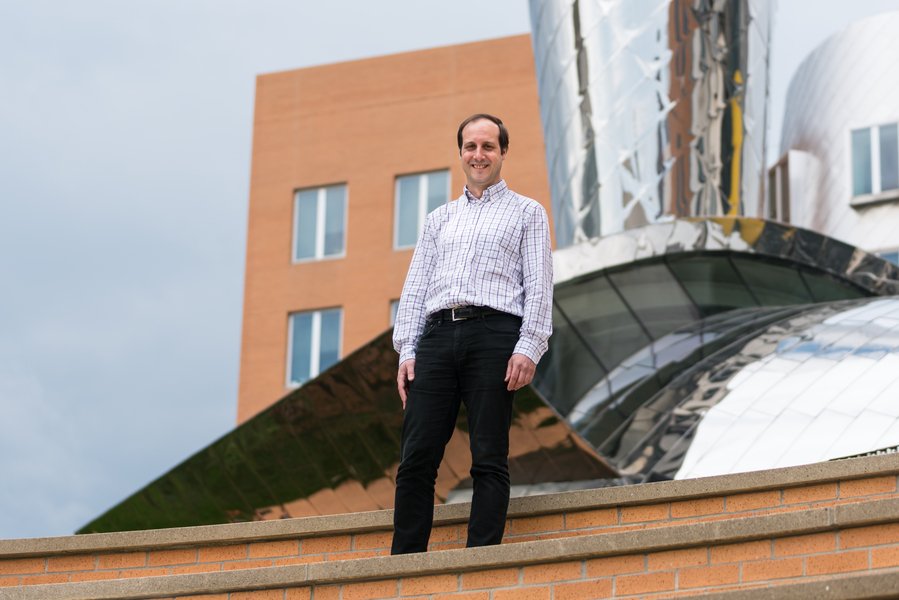
"I am interested in building systems that can perceive the world like humans do," Torralba explains, encapsulating the core mission that has driven his research career. This human-centric approach to computer vision has led to numerous breakthroughs in how machines interpret and understand visual information.
Recently, Torralba collaborated with Phillip Isola and William Freeman to co-author "Foundations of Computer Vision," an extensive 800-plus page textbook that explores the fundamental principles and core concepts of the field. This comprehensive work serves as both an educational resource and a testament to Torralba's deep expertise in computer vision.
Throughout his career, Torralba has received numerous accolades recognizing his contributions to the field. These include the 2008 National Science Foundation Career award, the 2010 J. K. Aggarwal Prize from the International Association for Pattern Recognition, and the 2017 Frank Quick Faculty Research Innovation Fellowship. His teaching excellence has also been recognized with the Louis D. Smullin ('39) Award for Teaching Excellence.
In 2020, Torralba received the PAMI Mark Everingham Prize, and in 2021, he was awarded the inaugural Thomas Huang Memorial Prize by the Pattern Analysis and Machine Intelligence Technical Committee. That same year, he was named a fellow of the Association for the Advancement of Artificial Intelligence, further cementing his status as a leader in the field.
Torralba's influence extends beyond his research contributions. His work has helped shape the direction of computer vision and AI research, influencing both academic inquiry and practical applications. The systems and methodologies developed under his guidance have applications ranging from autonomous vehicles to medical imaging, from augmented reality to robotics.
The 2022 recognition of an honorary doctoral degree from the Universitat Politècnica de Catalunya — BarcelonaTech (UPC) highlights the international impact of Torralba's work and his standing in the global academic community.
ACM fellows are selected by their peers for their outstanding accomplishments in computing and information technology, as well as their service to ACM and the broader computing community. This peer recognition underscores the respect Torralba has earned from fellow researchers and practitioners in the field.
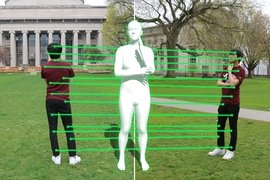
The significance of Torralba's work extends to the practical applications of computer vision in everyday technology. His research has contributed to advancements in facial recognition, object detection, scene understanding, and the development of more sophisticated AI systems that can interpret visual data with increasing accuracy and nuance.
As the field of computer vision continues to evolve, with applications expanding into areas like autonomous systems, medical diagnostics, and augmented reality, Torralba's contributions provide a foundation for future innovations. His focus on human-like perception in machines represents a crucial direction for making AI systems more intuitive and effective in real-world applications.
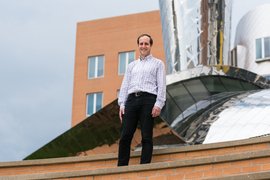
The recognition of Torralba and the three MIT alumni in the 2025 ACM Fellows class highlights MIT's continued leadership in computing research and education. It also demonstrates the lasting impact of MIT's programs in producing researchers who go on to make significant contributions to the field.
For students and researchers in computer vision and AI, Torralba's career serves as an inspiring example of how fundamental research can lead to practical applications that transform technology and society. His work continues to influence the next generation of researchers and the development of increasingly sophisticated AI systems.
The 2025 ACM Fellows will be formally recognized at the annual ACM Awards Banquet, where their contributions to the field will be celebrated alongside other distinguished members of the computing community. This recognition not only honors individual achievement but also highlights the importance of continued innovation in computer science and its applications to real-world challenges.
Comments
Please log in or register to join the discussion