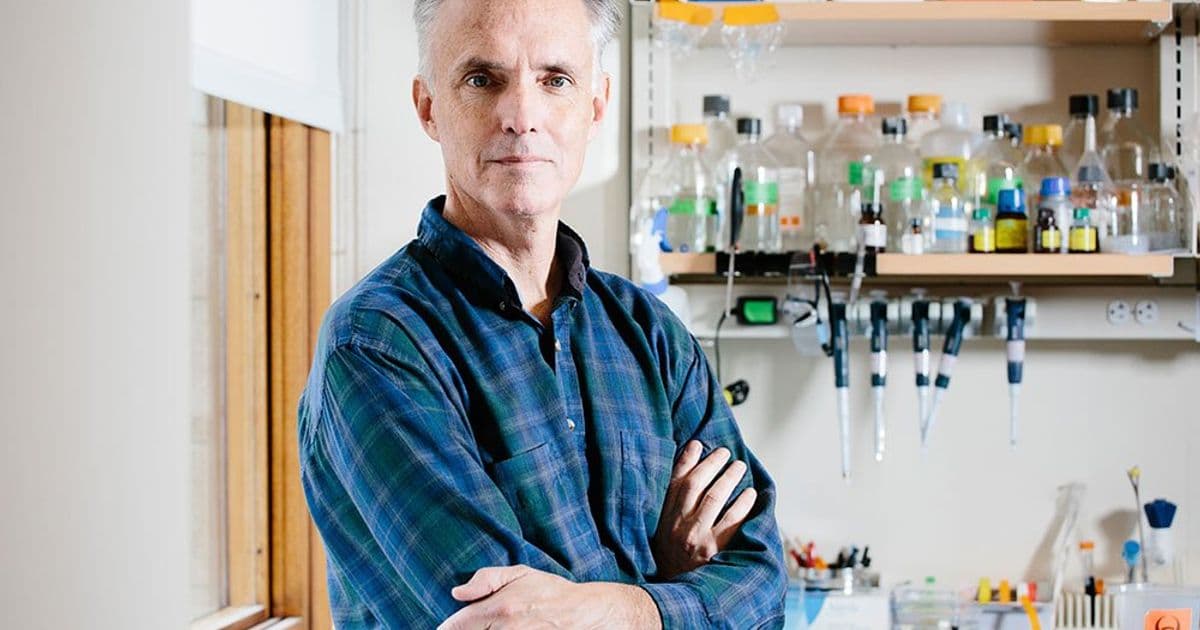
MIT professor James Collins discusses how artificial intelligence is transforming antibiotic discovery, from identifying novel compounds to designing drugs that combat resistant pathogens.
In the fight against antibiotic-resistant bacteria, artificial intelligence is emerging as a powerful ally. James Collins, the Termeer Professor of Medical Engineering and Science at MIT, has been at the forefront of using AI to revolutionize drug discovery. In a recent interview, Collins discussed how collaboration and cutting-edge technology are accelerating the development of new therapeutics.
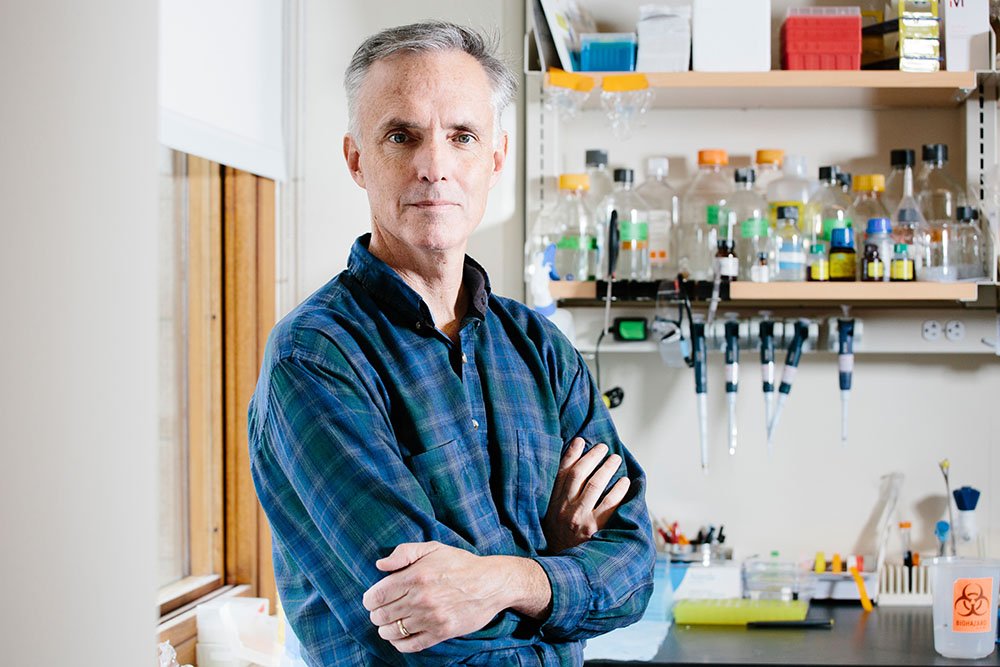
Collins' work exemplifies the interdisciplinary approach that's becoming essential in modern scientific research. His collaborations span across MIT and other institutions, bringing together expertise in artificial intelligence, network biology, and systems microbiology. This cross-pollination of ideas has led to groundbreaking discoveries, including halicin, a potent new antibiotic effective against multidrug-resistant bacterial pathogens.
The Power of Collaboration
When asked about the role of collaboration in his research, Collins emphasized its centrality to his lab's work. His partnership with Regina Barzilay and Tommi Jaakkola at the MIT Jameel Clinic for Machine Learning in Health combined their respective strengths in AI, network biology, and systems microbiology. This synergy resulted in the discovery of halicin, published in Cell in 2020, which demonstrated how complementary skill sets can tackle global health challenges.
At the Wyss Institute, Collins has worked with Donald Ingber, leveraging organs-on-chips technology to test AI-discovered antibiotics. These platforms provide a more nuanced view of therapeutic potential by studying drug behavior in human tissue-like environments, complementing traditional animal experiments.
AI-Driven Antibiotic Discovery
The advances in AI-driven antibiotic discovery are particularly noteworthy. In 2025, Collins' lab published a study in Cell demonstrating how generative AI can design completely new antibiotics from scratch. Using genetic algorithms and variational autoencoders, the team generated millions of candidate molecules, exploring both fragment-based designs and entirely unconstrained chemical space.
After computational filtering, retrosynthetic modeling, and medicinal chemistry review, they synthesized 24 compounds and tested them experimentally. Seven showed selective antibacterial activity. One lead compound, NG1, was highly narrow-spectrum, eradicating multidrug-resistant Neisseria gonorrhoeae, including strains resistant to first-line therapies, while sparing commensal species. Another, DN1, targeted methicillin-resistant Staphylococcus aureus (MRSA) and cleared infections in mice through broad membrane disruption.
Looking to the Future
Looking ahead, Collins sees AI playing an increasingly important role in designing antibiotics with drug-like properties that make them stronger candidates for clinical development. By integrating AI with high-throughput biological testing, the goal is to accelerate the discovery and design of antibiotics that are novel, safe, and effective, ready for real-world therapeutic use.
This approach could transform how we respond to drug-resistant bacterial pathogens, moving from a reactive to a proactive strategy in antibiotic development. The potential impact is significant, as antibiotic resistance continues to pose a growing threat to global health.
Bridging Discovery and Development
Collins is also a co-founder of Phare Bio, a nonprofit organization that uses AI to discover new antibiotics. The Collins Lab has helped launch the Antibiotics-AI Project in collaboration with Phare Bio, aiming to bridge the gap between discovery and development. The organization coordinates efforts with biotech companies, pharmaceutical partners, AI companies, philanthropies, other nonprofits, and even nation states.
Recently, Phare Bio received a grant from ARPA-H to use generative AI to design 15 new antibiotics and develop them as pre-clinical candidates. This project builds directly on the lab's research, combining computational design with experimental testing to create novel antibiotics ready for further development.
By integrating generative AI, biology, and translational partnerships, Collins and his collaborators hope to create a pipeline that can respond more rapidly to the global threat of antibiotic resistance, ultimately delivering new therapies to patients who need them most.
The work of James Collins and his collaborators represents a significant step forward in the fight against antibiotic-resistant bacteria. By harnessing the power of artificial intelligence and fostering interdisciplinary collaboration, they're not just discovering new drugs—they're reimagining the entire process of drug development.
Comments
Please log in or register to join the discussion