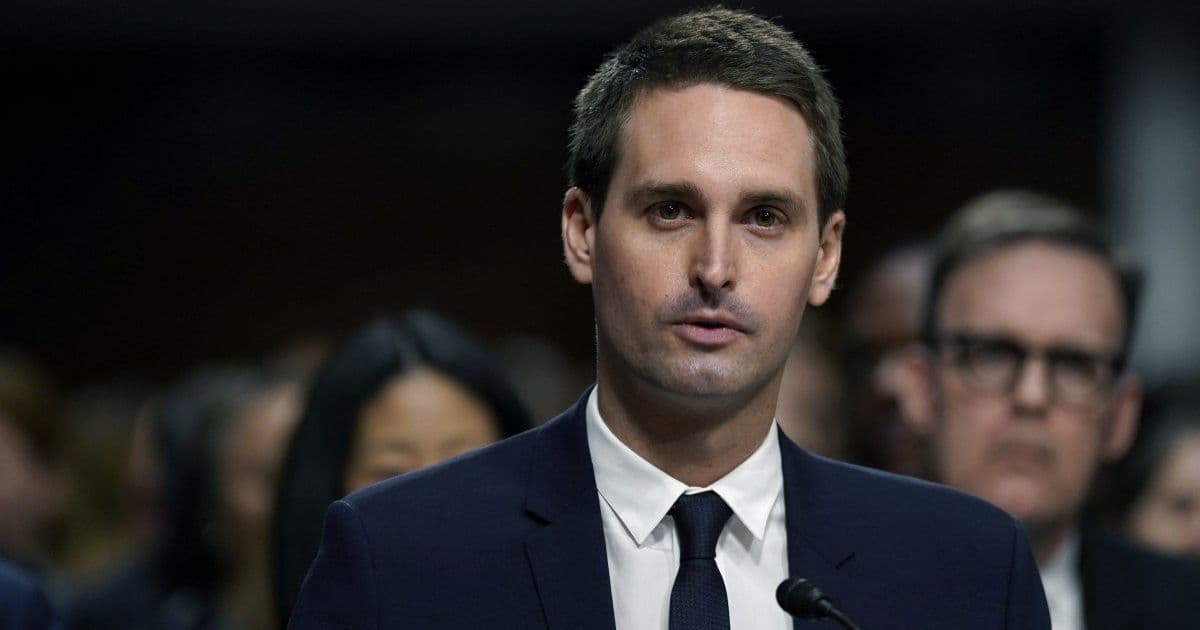
A coalition of YouTubers with 6.2 million combined subscribers has expanded their class action lawsuit against AI companies to include Snap Inc., alleging the social media giant trained its AI models on their copyrighted video content without permission or compensation.
Expanding Legal Front in AI Training Disputes
Snap Inc. (NYSE: SNAP) faces new legal exposure after being added to a growing class action lawsuit alleging unauthorized use of YouTube content for artificial intelligence training. The plaintiff group now includes 14 creators representing 6.2 million subscribers, seeking damages for what they claim constitutes systematic copyright infringement by technology companies building AI systems.
Financial Stakes in Content Scraping Litigation
This development marks the seventh defendant added to the case originally filed in September 2025 against OpenAI, Meta, Google, and others. Legal analysts estimate potential liability could reach $150-300 million if courts establish precedent for content compensation. Snap's inclusion is particularly significant given:
- The company's heavy investment in AR and AI features (23% of 2025 R&D budget)
- Recent launch of My AI v3 with enhanced video understanding capabilities
- 41% YoY growth in Snapchat+ subscribers (18.7 million paid users) partially driven by AI features
Market Context: Rising Creator Economy Backlash
This lawsuit reflects escalating tensions between AI developers and content creators:
| Platform | AI Training Lawsuits Pending | Estimated Content Value Used |
|---|---|---|
| Meta | 9 | $3.2B (est.) |
| 7 | $2.8B (est.) | |
| Snap | 3 (including this case) | $460M (est.) |
| Source: Copyright Alliance litigation tracker |
Content creators have increasingly organized against uncompensated AI training, with the Human Artistry Campaign now representing 185 creator groups worldwide. Their economic impact is substantial - YouTube's Partner Program paid out $25.6 billion to creators in 2025 alone.
Strategic Implications for Snap
For Snap, the timing creates additional pressure during a critical product transition:
- Financial Impact: Potential 3-5% EPS risk if forced into licensing agreements
- Product Roadmap: Could delay planned AR Studio 4.0 launch featuring real-time video manipulation
- Investor Relations: Comes during sensitive period with stock down 18% YTD amid AI infrastructure spending
Industry analysts suggest companies may need to budget 0.5-1.2% of AI R&D costs for content licensing moving forward. Snap's immediate challenge will be demonstrating sufficient content provenance controls without compromising its ambitious 2026 AI roadmap.
Broader Industry Consequences
The lawsuit's expansion signals that:
- Video content has become the next legal battleground following text/data scraping cases
- Smaller creators are organizing effectively through class action mechanisms
- Regulatory scrutiny will intensify with FTC Chair Lina Khan noting AI training practices as 'area of concern' in recent Senate testimony
As discovery proceeds, all eyes will be on Snap's internal documentation regarding its Lens AI training datasets and whether they can demonstrate compliant sourcing practices. The case outcome could fundamentally reshape how social platforms develop generative AI capabilities.
Comments
Please log in or register to join the discussion