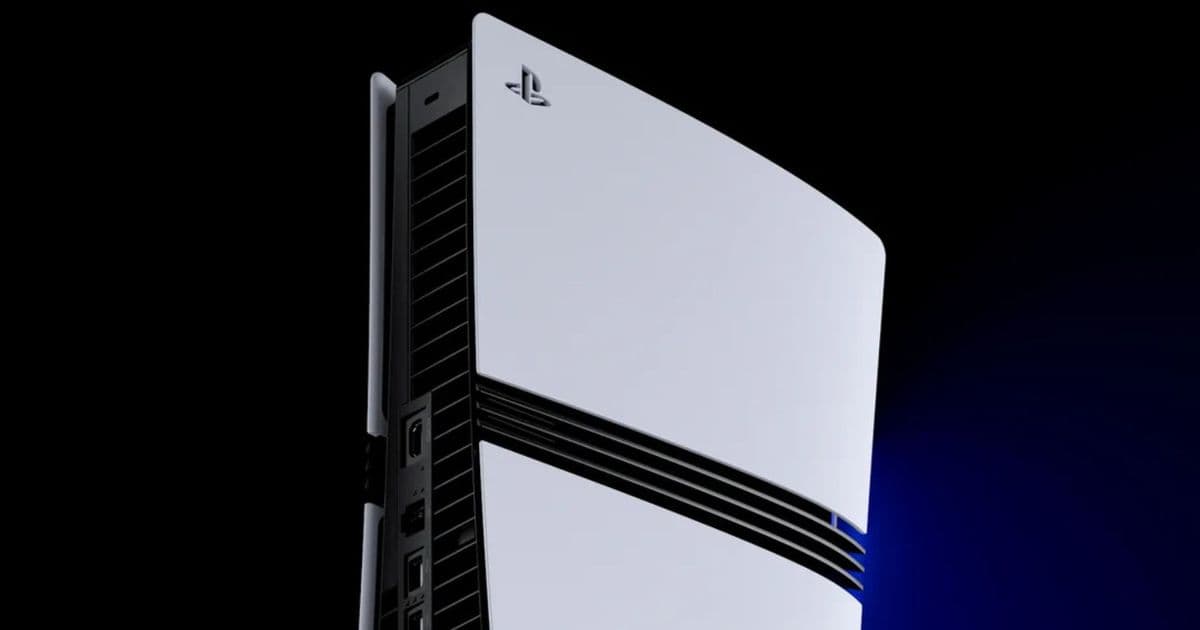
Sony announces $100 price increases for all PlayStation 5 consoles starting April 2, 2026, citing economic pressures and component shortages that are affecting the entire gaming industry.
Sony has announced significant price increases for all PlayStation 5 models, with the base console and digital edition each receiving $100 hikes while the PS5 Pro jumps $150 to $900. The changes take effect April 2, 2026, marking the second major price adjustment for Sony's current-generation hardware in less than a year.
Price Increases Across All PlayStation 5 Models
The new pricing structure breaks down as follows:
- PlayStation 5 Disc Edition: $649.99 (up from $549.99)
- PlayStation 5 Digital Edition: $599.99 (up from $499.99)
- PlayStation 5 Pro: $899.99 (up from $749.99)
- PlayStation Portal: $249.99 (up from $199.99)
These increases represent a 18.2% jump for the Pro model and 18.5% for the base console, marking a substantial shift in the console market's traditional pricing model.
Economic Pressures Driving Price Adjustments
Sony attributes these changes to the current economic climate, though the timing coincides with multiple global supply chain disruptions. The company acknowledges the community backlash this decision will likely generate, suggesting internal recognition of how sensitive console pricing remains to consumers.
This announcement follows a previous $50 increase across all PS5 models in August 2025, indicating mounting pressure on Sony's hardware margins. The PlayStation 5 already faced manufacturing challenges during its launch period, with semiconductor shortages and logistics bottlenecks limiting availability through 2021 and into 2022.
Global Component Crisis Deepens
The timing of Sony's announcement aligns with broader industry challenges. The chipmaking sector faces an emerging helium crisis that threatens silicon manufacturing processes across all device categories. Helium serves critical functions in semiconductor fabrication, including cooling superconducting magnets in certain manufacturing equipment and creating controlled atmospheres during chip production.
Compounding these issues, the ongoing Iran-U.S. conflict has kept the Strait of Hormuz closed, disrupting global oil supplies and creating ripple effects throughout manufacturing and logistics networks. The semiconductor industry's reliance on stable energy supplies and transportation routes makes it particularly vulnerable to geopolitical tensions.
Memory Shortage and AI Boom Impact
Memory prices have experienced dramatic increases, with RAM and SSD costs rising as much as 500% due to AI-driven demand. Data centers require massive amounts of high-performance memory for machine learning workloads, creating competition between consumer electronics and enterprise computing sectors for limited supply.
This memory shortage directly affects console manufacturing, where high-speed storage and system memory represent significant cost components. The PlayStation 5's custom SSD and GDDR6 memory contribute substantially to its Bill of Materials, making it vulnerable to memory market fluctuations.
International Price Adjustments
The price increases extend beyond North America. In Europe, the PS5 Pro will cost €899.99 starting next week, translating to approximately $1,037 at current exchange rates. UK pricing remains unclear, though Sony offers PS5 rental services through third-party vendors that may see increased demand as purchase prices rise.
These international adjustments reflect varying economic conditions, import duties, and regional market dynamics. European markets often experience higher electronics prices due to VAT rates, distribution costs, and currency exchange factors that compound the impact of global supply chain issues.
Industry-Wide Implications
The PlayStation price increases signal potential shifts across the gaming industry. Microsoft's upcoming Project Helix and Sony's PS6 development face similar component cost pressures, suggesting next-generation consoles may launch at higher price points than previous generations.
Valve's Steam Machine strategy, which doesn't target console-level pricing, appears prescient given these developments. The modular PC gaming market may benefit as consumers weigh the value proposition of traditional consoles against customizable gaming systems.
Consumer Impact and Market Response
For consumers, this represents the erosion of consoles as the most affordable entry point to premium gaming. Historically, consoles offered predictable pricing and longer hardware lifecycles compared to the rapidly evolving PC market. These price increases blur those distinctions, potentially accelerating the trend toward PC gaming or subscription-based console access models.
The rental option in the UK highlights how financing and subscription models may become more prevalent as hardware costs increase. Similar programs could expand to other markets if purchase prices continue climbing.
Manufacturing and Supply Chain Considerations
Sony's decision reflects the complex interplay between manufacturing costs, component availability, and market positioning. The company must balance maintaining competitive pricing against covering increased production expenses and ensuring adequate supply levels.
Component shortages affect not just raw materials but also specialized manufacturing equipment, packaging materials, and logistics services. Each layer of the supply chain contributes to the final product cost, creating compounding effects when multiple inputs experience price pressure simultaneously.
Future Outlook for Console Gaming
These price increases raise questions about the sustainability of current console business models. If component costs continue rising and geopolitical tensions persist, console manufacturers may need to explore alternative strategies such as:
- Increased reliance on digital distribution to reduce physical media costs
- Enhanced subscription services to offset hardware margins
- Modular upgrade systems similar to PC gaming
- Extended console lifecycles to amortize development costs
- Strategic partnerships with component suppliers for priority access
The gaming industry's response to these challenges will likely shape console development for the next decade, potentially marking the end of the sub-$500 premium gaming console era that has defined the market since the 1990s.
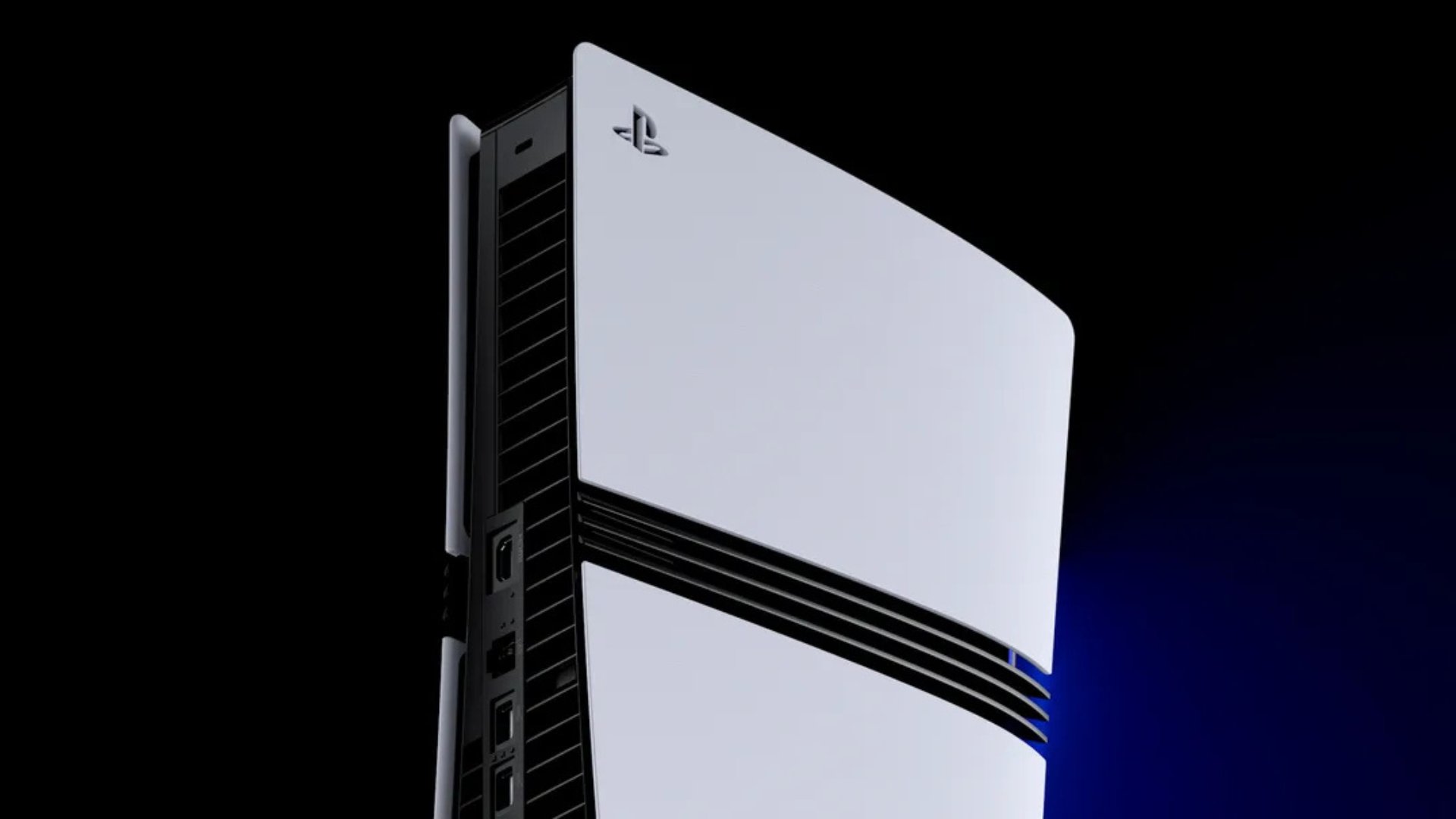

The timing of these increases, just months before the traditional holiday shopping season, suggests Sony anticipates continued supply constraints and cost pressures extending into 2026. Consumers considering PlayStation 5 purchases face a narrowing window before the new pricing takes effect, creating urgency in the final days of the current price structure.
Comments
Please log in or register to join the discussion