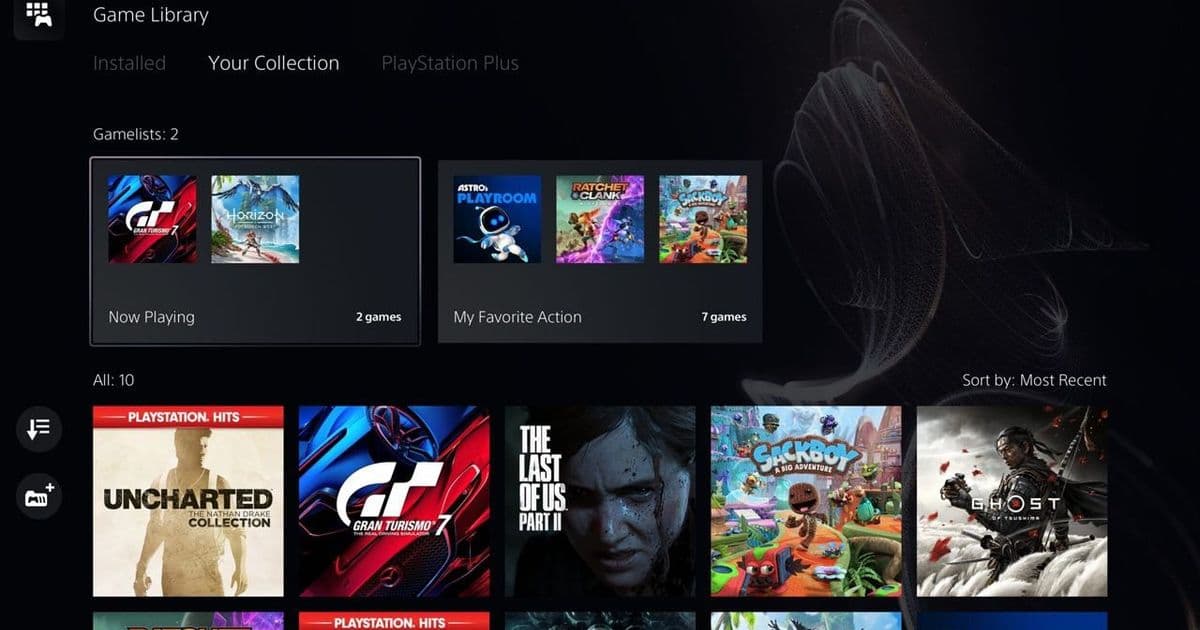
Sony is reportedly reversing its PC release strategy, keeping first-party single-player titles exclusive to PS5 under new leadership, while live-service games will continue cross-platform support.
Sony's strategy for PC releases of PlayStation exclusives appears to be undergoing a fundamental reversal, with new leadership reportedly willing to forgo PC revenue to strengthen the console platform's exclusivity appeal.
The shift marks a dramatic change from Sony's approach since 2020, when the company began porting titles like Horizon: Zero Dawn to PC. Initially, these releases maintained lengthy gaps—three years between the PS4 and PC versions of Horizon: Zero Dawn. More recently, Sony had been shortening these windows significantly, with Death Stranding 2 launching simultaneously on both platforms.
However, multiple industry sources now indicate this strategy is being abandoned. Bloomberg reporter Jason Schrier, speaking on the Triple Click podcast, stated that Sony is "backing away from putting their exclusive console stuff like traditional single-player stuff on PC." The implication is clear: Sony no longer views PC as a critical outlet for certain titles and appears ready to relinquish the revenue from that platform—which Schrier suggests wasn't substantial to begin with.
This sentiment has been echoed across the industry. NateTheHate on ResetEra forums confirmed "Sony is shifting their PC strategy, absolutely," while prominent leaker SneakersSO agreed with the assessment. Even Digital Foundry's John Linneman has noted signs of this pullback, stating he has "an inkling that [they're] pulling away from PC" and that "PC has become less important" for Sony under current leadership.
The Strategic Rationale
The decision appears particularly focused on first-party single-player titles. Sony's portfolio includes renowned franchises like God of War and The Last of Us, which have defined the company's reputation for narrative-driven experiences. These are precisely the titles that may now remain PS5 exclusives.
Live-service games represent a different calculation. Titles like Arrowhead's Helldivers 2 require large player bases to succeed, making cross-platform availability essential. Sony seems to be drawing a clear line: single-player experiences stay exclusive, while multiplayer titles continue cross-platform support.
Industry Context and Timing
The timing of this strategic shift is particularly noteworthy given the current gaming landscape. With Xbox undergoing significant leadership changes—Phil Spencer and Sarah Bond have departed—and Nintendo maintaining its distinct portable/home console approach, Sony finds itself in a position of relative strength.
The global component crisis that previously made PC gaming more challenging appears to have stabilized, potentially reducing the strategic advantage Sony once held through timed exclusivity windows. Additionally, Valve's upcoming Steam Machine, while console-esque, operates in a different price bracket than traditional gaming consoles.
Perhaps most tellingly, Sony recently shut down Bluepoint Games, its in-house remaster and remake specialist. This move suggests a broader strategic realignment away from PC-focused initiatives.
The Cross-Buy Feature Cancellation
Adding to the evidence of this strategic pivot, Sony's PS5-PC "Cross-Buy" feature—which would have allowed players to purchase a game once and play it on both platforms—appears to have been cancelled. This feature would have further blurred the lines between console and PC gaming, making its cancellation a clear signal of Sony's intent to maintain platform separation.
Market Implications
The decision represents a calculated gamble. By keeping major titles like Insomniac's Wolverine (scheduled for PS5 release this September) exclusive to the console, Sony aims to drive hardware sales rather than maximize software revenue across platforms.
This strategy banks on the reality that not everyone has access to or can afford a gaming PC. Consoles remain a significantly cheaper entry point into gaming, particularly when considering the additional costs of PC gaming beyond the initial hardware investment.
Community Reaction
The gaming community's response has been predictably divided. PC gaming enthusiasts, particularly vocal on platforms like Reddit's r/pcmasterrace, have expressed frustration, with many stating they would never purchase a console and viewing Sony's decision as a missed opportunity for additional revenue.
However, this perspective may miss Sony's strategic calculation. The company appears to be prioritizing platform exclusivity as a competitive advantage, betting that the potential hardware sales from keeping titles exclusive will outweigh the software revenue from PC ports.
The Competitive Landscape
With Xbox's next-generation strategy essentially positioning its console as a PC-like device, Sony's decision to maintain traditional console exclusivity becomes even more significant. The Japanese company is effectively doubling down on what has historically distinguished its platform: exclusive, high-quality first-party titles that cannot be experienced elsewhere.
This approach harkens back to the console wars of previous generations, where exclusive titles were the primary drivers of platform loyalty. By returning to this model, Sony is betting that compelling exclusive content will be more effective at driving hardware adoption than a broader software ecosystem.
Looking Forward
The success of this strategy will likely depend on the strength of Sony's upcoming first-party lineup. If titles like Wolverine and other unannounced projects deliver on the promise of exclusive, high-quality experiences, the strategy could pay dividends in hardware sales and platform loyalty.
However, if these exclusives underperform or if the PC gaming community's vocal dissatisfaction translates into broader market trends, Sony may find itself needing to reconsider. The gaming industry has become increasingly platform-agnostic, with many players owning multiple devices and expecting their games to follow them across platforms.
For now, Sony appears committed to this new direction, signaling a return to traditional console exclusivity in an era where such distinctions are increasingly blurred. Whether this represents a savvy strategic pivot or a step backward remains to be seen, but it's clear that PlayStation's approach to PC gaming has fundamentally changed under its new leadership.
The coming years will reveal whether Sony's bet on exclusivity over accessibility proves prescient or whether the company will need to once again adapt to an evolving gaming landscape where platform boundaries matter less than ever before.
Comments
Please log in or register to join the discussion